




Pine Display Shelving
Pine display shelving brings honest utility to a room, offering open storage and display shaped by centuries of practical domestic and shop use.
Pine Display Shelving
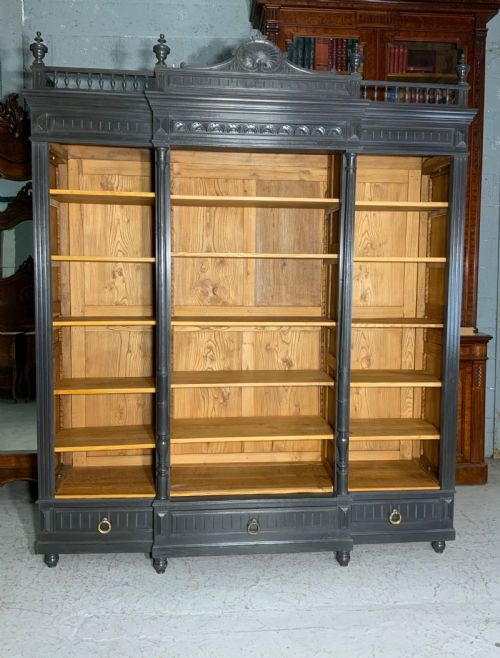
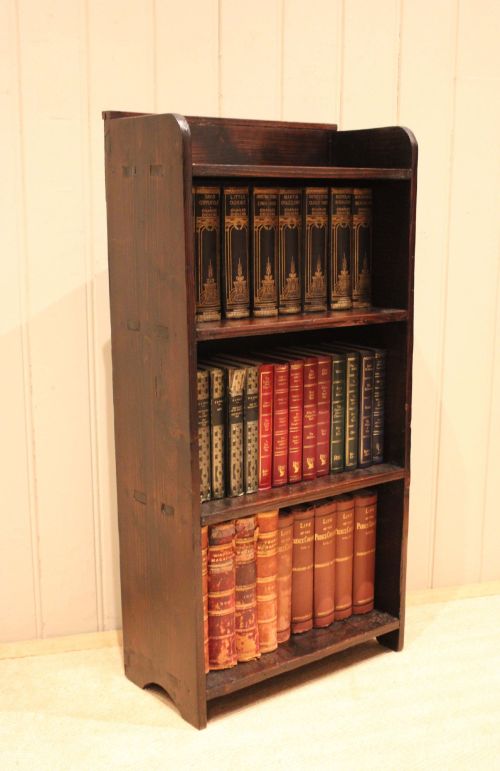
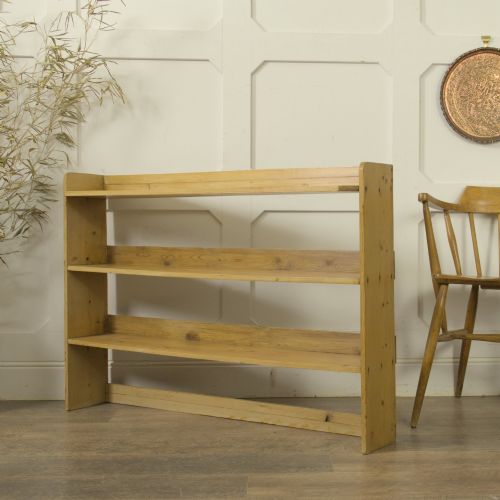
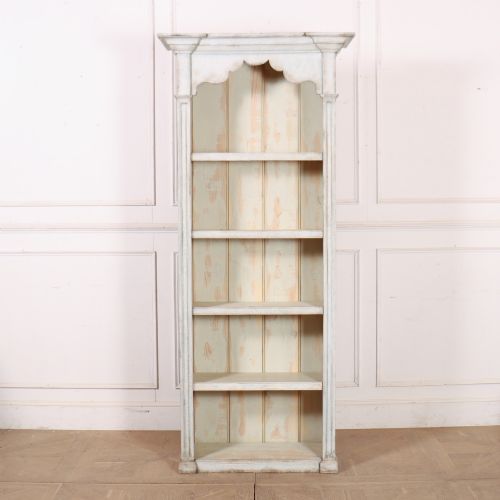
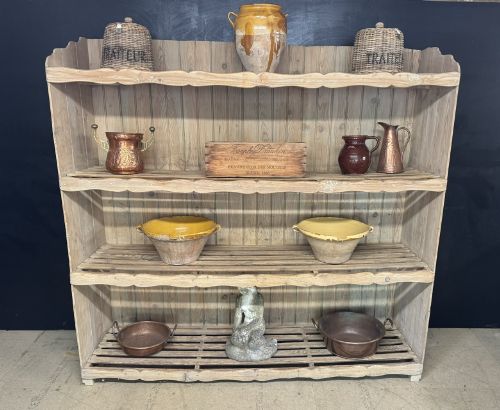
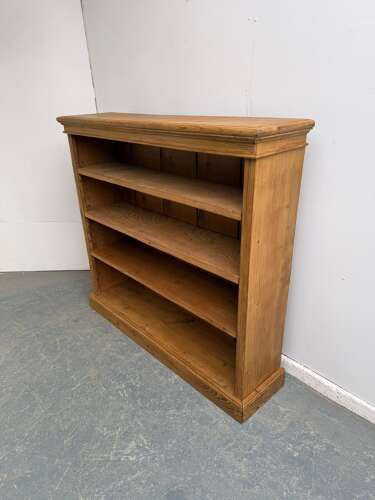
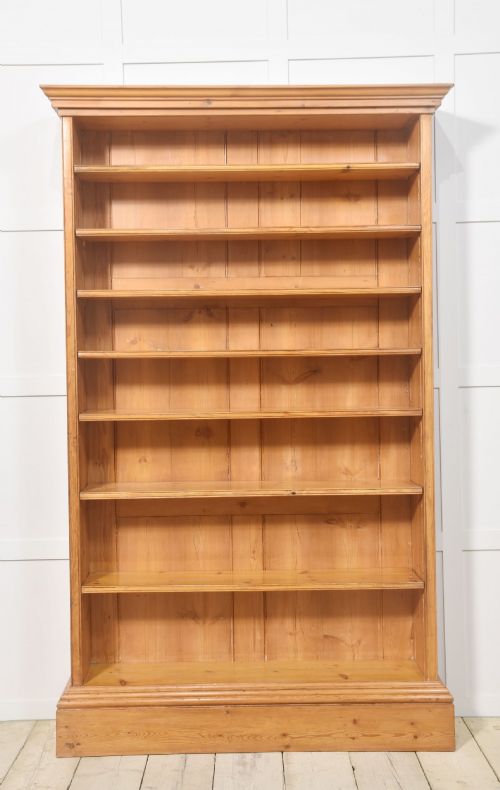
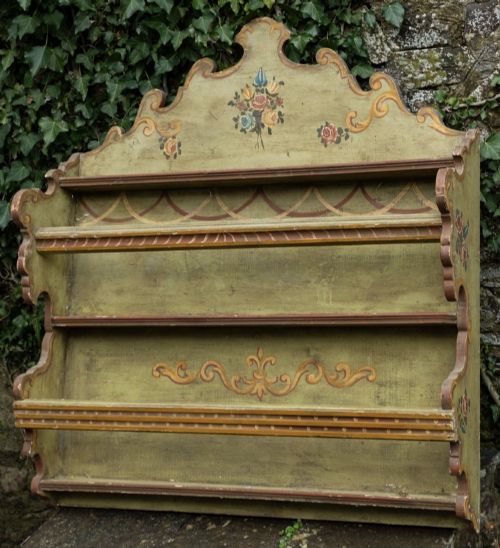
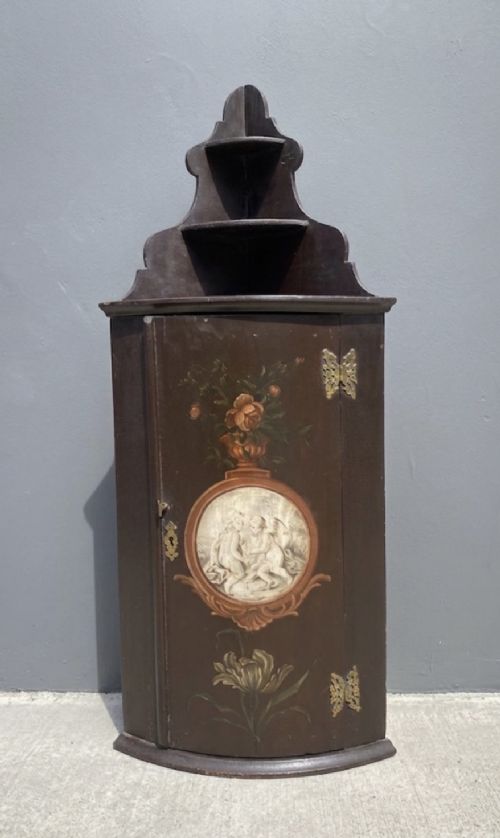
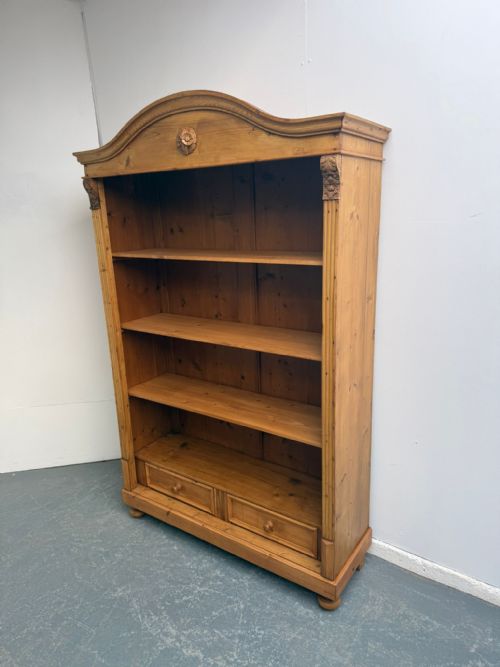
Pine display shelving spans utilitarian storage and decorative furniture, taking the form of open bookcases, wall shelves, plate racks, corner cabinets, and shop display stands. When you search for pine display shelving, you encounter pieces designed to hold books, ceramics, and household goods in plain sight.
The pieces on this page originate from the eighteenth, nineteenth, and early twentieth centuries, reflecting rural, domestic, and shop environments. You meet rustic country variations alongside more formal Georgian and Victorian forms.
Object types range from tall bookcases and fitted cabinets to wall-mounted shelves and bakers racks. Solid pine, deal wood, and painted finishes dominate the selection across these earlier eras.
How they were made
Makers built these pieces primarily from solid pine and deal wood, sometimes utilising walnut for contrast or brass for hardware and fittings. Construction relies on traditional joinery suitable for load-bearing shelves and cabinets.
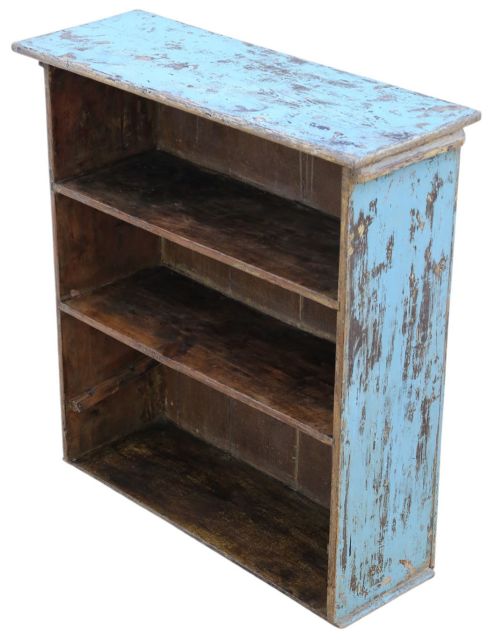
Surfaces show various finishes including natural waxing, staining, and layers of historic paint in blue and other colours. Decorative touches such as fretwork and hand painting appear on specific eighteenth and twentieth-century examples.
Listings feature pine display shelving from the eighteenth century through to the 1930s, including painted and waxed finishes.
What varies in quality
Quality rests on the integrity of the timber, the balance of proportions, and the honesty of the construction. Heavier eighteenth-century carcases and formal Georgian proportions separate standard utility items from finer cabinetwork.
Surface treatment also dictates character, from simple waxed deal wood to decorative hand-painted finishes and detailed fretwork. Original adjustable shelving mechanisms add functional merit to Victorian bookcases.
The Pine Display Shelving Glossary
- Deal wood
- A common historical term for fir or pine timber used extensively in British furniture making. It provides a sturdy, straight-grained carcase for everyday storage.
- Delft rack
- A wall-mounted or dresser-top shelving unit designed specifically to display plates and ceramics. These often feature shaped wooden fretwork along the pelmet.
- Fretwork
- Openwork ornamentation cut from a thin board using a fretsaw. It appears on eighteenth-century pieces to add decorative lightness to cornices and plate racks.
- Waxed finish
- A traditional surface treatment rubbed into the timber to nourish the grain and provide a soft sheen. This method protects the pine while retaining its natural warmth.
Pine Display Shelving: Frequently Asked Questions
How do I clean antique pine shelves?
Dust the timber regularly with a dry, soft cloth to prevent particulate build-up in the grain and corners.
Avoid modern liquid polishes, applying a traditional beeswax sparingly only when the wood appears dry.
Can adjustable shelves hold heavy books?
Many nineteenth-century bookcases feature original wooden or metal adjustable mechanisms designed for heavy volumes.
Check the support battens and peg holes before loading them to ensure the pine remains structurally sound.
Where should I place a corner cabinet?
Corner cupboards and shelving units make efficient use of dead space in dining rooms, studies, or kitchens.
Position them away from direct heat sources and strong sunlight to protect the aged pine and painted finishes.
How do I date a pine bookcase?
Examine the construction methods, tool marks, backboards, and overall proportions relative to known period styles.
Georgian and Victorian pieces display distinct joinery and timber characteristics that help narrow down their decade of origin.