

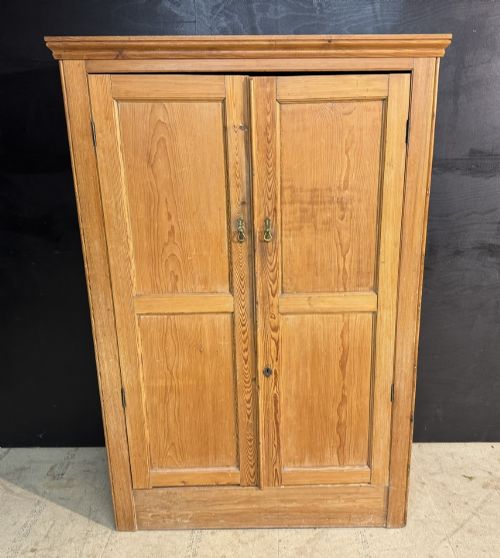
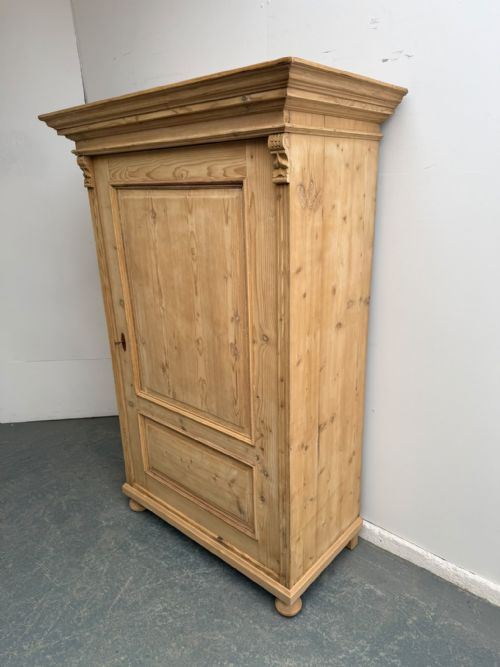


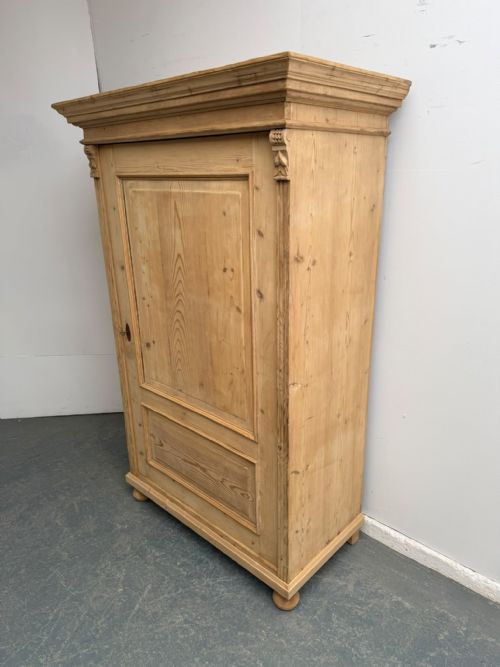


Pine Cabinet Panelled Doors
Pine cabinet panelled doors bring sturdy utility and honest timber grain into a room, offering practical storage with vernacular charm.
Pine Cabinet Panelled Doors
When you search for pine cabinet panelled doors, you are looking at utilitarian storage pieces built from softwood, featuring recessed timber panels set into framing. The items on this page span the 18th century, the Georgian era, and the Victorian period, originating from English, French, and Scandinavian workshops.
You will encounter various forms here, ranging from tall wardrobes and larder cupboards to corner cabinets, dressers, and school cupboards. Many pieces arrive ready to wax or paint, while others retain their original painted finishes or stripped surfaces.
The regional styles vary from rustic farmhouse and French provincial to Scandinavian country designs. These versatile cupboards serve domestic storage needs just as well today as they did in past centuries.
How they were made
Construction relies heavily on solid pine timbers joined to form sturdy carcases, with panelled doors built using frame and panel construction to accommodate wood movement. Iron and brass hardware, such as hinges and latches, secure the doors and complete the utilitarian build.
Surfaces receive different treatments according to their period and origin, appearing either stripped to raw pine, finished with traditional wax, or coated in historic paint. Some items maintain an original painted finish, showing the layer of colour applied decades or centuries ago.
Pine Cabinet Panelled Doors Retail Price Guide 2026
Typical asking prices for pine cabinet panelled doors among the pieces listed under this phrase on Sellingantiques today, from the lower quarter to the upper quarter. They describe what is for sale here now, not the wider market.
Listings feature pine alongside iron and brass hardware, with painted wood and stripped timber surfaces.
What varies in quality
Quality rests upon the selection of the timber and the precision of the joinery, particularly in how cleanly the panelled doors fit within their frames. Well-constructed joints and solid backboards indicate a higher grade of cabinet-making, even within utilitarian furniture.
The preservation of original finishes and untouched iron or brass hardware elevates a piece, as does structural integrity in larger knockdown wardrobes and multi-door cupboards. Regional distinctiveness in provincial and country pieces also marks out superior examples.
The Pine Cabinet Panelled Doors Glossary
- Fielded panel
- A central wooden panel with bevelled edges that fits into a grooved frame. This technique allows the timber to expand and contract with humidity changes without cracking.
- Knockdown wardrobe
- A large piece of furniture designed to be dismantled into sections for ease of transport and assembly. These items use pegged or bolted joints rather than permanent glue.
- Larder cupboard
- A tall storage piece traditionally used for food preservation and kitchen provisions. Interiors often feature multiple shelves or compartments designed for dry goods.
- Original finish
- The historic paint, stain, or surface treatment applied to the timber when first made. Surviving examples offer genuine period character.
- Housekeeper cupboard
- A large storage cabinet traditionally utilised in large homes for linens and household supplies. They usually feature multiple panelled doors enclosing deep shelving.
Pine Cabinet Panelled Doors: Frequently Asked Questions
What periods do these cupboards come from?
The pieces span the 18th century, the Georgian era, and the Victorian period. You will find examples dating from the 1700s through to the late 19th century.
Origins also vary across these eras, including English, French, and Scandinavian country workshops.
Are the cupboards supplied painted or waxed?
Finishes differ considerably across the selection. Some pieces retain their original painted surfaces, while others are listed as stripped pine ready to wax or paint.
You can choose between pieces showing historic paint layers or those prepared for a custom finish in your home.
How were knockdown wardrobes used?
Knockdown wardrobes provided substantial hanging and storage space in bedrooms where large furniture needed to be moved between rooms or properties. Their modular construction allowed owners to dismantle the carcase easily.
This practical design made large wardrobes transportable long before modern flat-pack furniture existed.
Where were larder cupboards placed?
Larder cupboards stood in kitchens or pantries to store food items safely before modern refrigeration. Their enclosed shelving kept perishables and dry goods protected from pests.
Today, they function well in modern kitchens as standalone pantries for groceries and tableware.