


Pine Accent Table
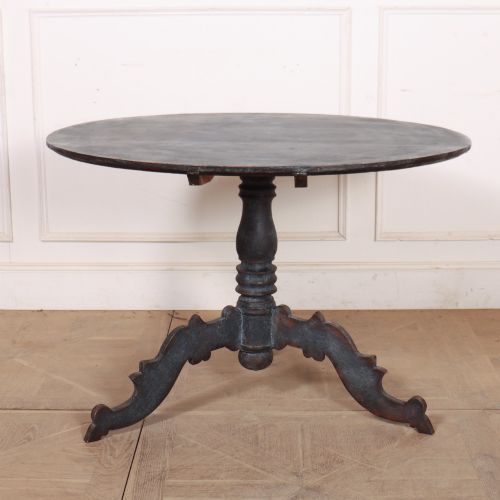
A pine accent table brings warmth and rustic utility to a room, offering versatile surfaces from cricket tables to lamp tables.
Pine Accent Table
A pine accent table encompasses a variety of smaller utilitarian forms, including lamp tables, supper tables, and occasional tables designed for flexible placement around the home. These pieces predominantly date from the nineteenth century, reflecting periods such as Victorian, late nineteenth century, and earlier eighteenth century examples.
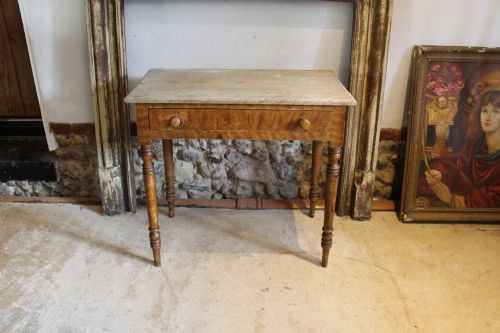
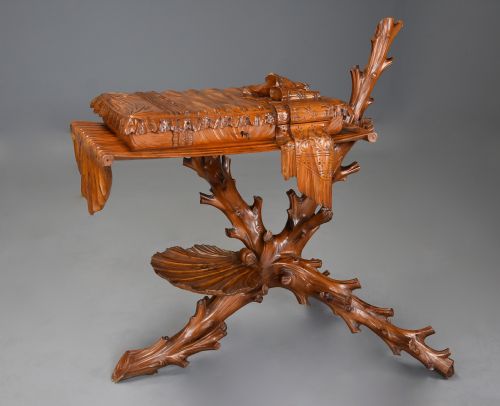
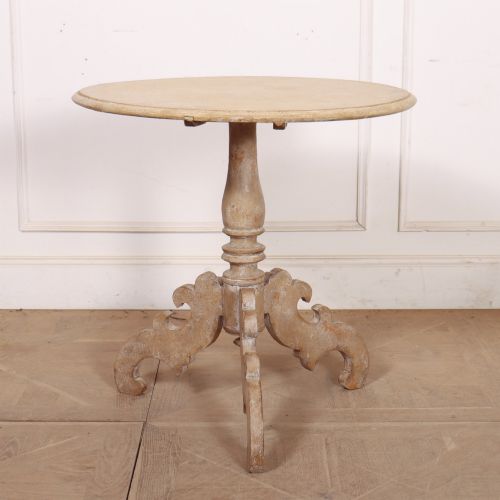
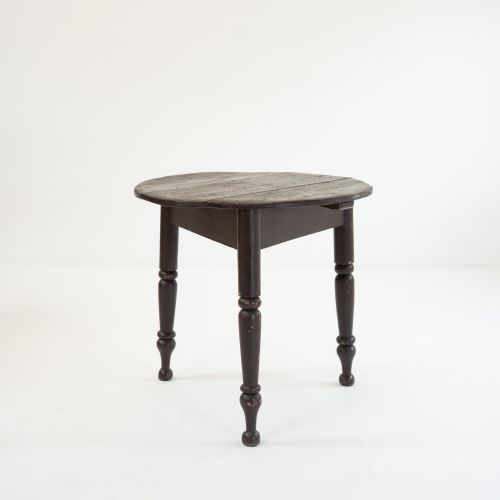
The regional origins of these pieces span across English, Welsh, and Scandinavian country traditions, with distinct local character expressed in both form and finish. Cricket tables with three legs appear frequently alongside single-drawer side tables and grotto work tables.
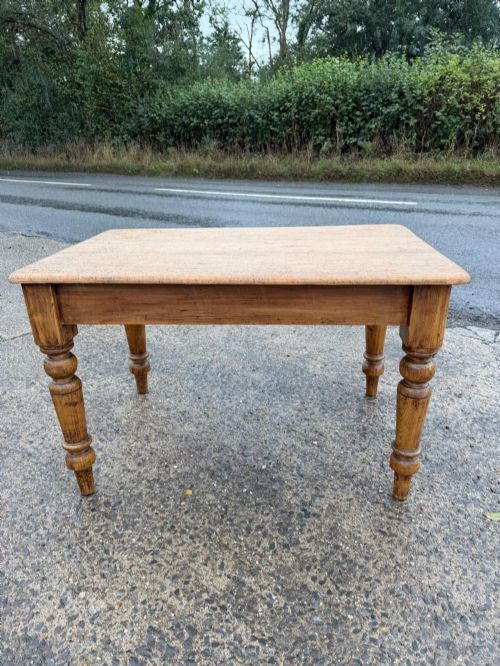
Buyers will encounter both unpainted timber surfaces, sometimes bleached, and pieces retaining original scumble glaze or painted finishes. These variants demonstrate how utilitarian household furniture evolved into decorative items suited to diverse interior styles.
Materials and construction
Construction relies heavily on solid pine and pitch pine, occasionally incorporating other woods such as oak for structural elements or secondary parts. Turnery appears on legs, including bobbin turned designs, providing stability and decorative detail to three-legged and four-legged formats.
Surface treatments involve traditional paint application, scumble glaze to imitate finer grains, and carved ornamentation as seen in Italian grotto work. Drawer construction typically utilises single front friezes with simple pulls, sometimes complemented by brass hardware.
Listings feature eighteenth and nineteenth-century pieces, spanning Victorian, Georgian, and Scandinavian country aesthetics in pine, pitch pine, and painted wood.
Assessing quality and character
Quality in these pieces is dictated by the originality of the surface finish, whether a scumble glaze, aged paint, or a clean bleached timber top. Tables retaining their unblemished original decorative schemes command greater interest among collectors.
Structural integrity and proportion also separate standard domestic items from finer regional examples, such as intricately carved grotto work or well-proportioned Welsh and Swedish country forms. The delicacy of the turnery and the retention of original brass fittings contribute further distinction.
The Pine Accent Table Glossary
- Cricket table
- A small round table traditionally supported on three legs, often fitted with stretchers for stability. This form originates from British vernacular traditions.
- Scumble glaze
- A translucent decorative paint technique used to create simulated wood grain or mottled patterns on furniture surfaces. It was widely employed in the nineteenth century.
- Pitch pine
- A durable resinous softwood native to North America and utilised in British and European cabinet making. It yields a strong timber with distinct grain patterns.
- Frieze
- The horizontal band situated immediately beneath the tabletop, frequently housing a single drawer in side and occasional tables.
Pine Accent Table: Frequently Asked Questions
Where should I place a pine accent table?
These pieces suit living rooms, hallways, and bedrooms as lamp tables or small side surfaces. Their compact footprints allow them to fit easily beside seating or beneath mirrors.
Their varied heights and painted or wooden finishes enable them to complement both traditional country interiors and more eclectic modern spaces.
What is scumble paint?
Scumble glaze is a decorative coating applied over a pale base coat and manipulated with combs or rags to imitate more expensive timbers or create textured patterns. It protects the softwood underneath while adding visual depth.
Pieces retaining original scumble finishes showcase historical decorative preferences from the nineteenth century.
Are these tables sturdy enough for daily use?
Most nineteenth-century pine and pitch pine tables were built for practical domestic tasks such as holding lamps, suppers, or tavern goods. Their solid construction makes them well suited for contemporary functional use.
Care should be taken to protect antique wooden surfaces from excessive moisture and direct heat sources.