
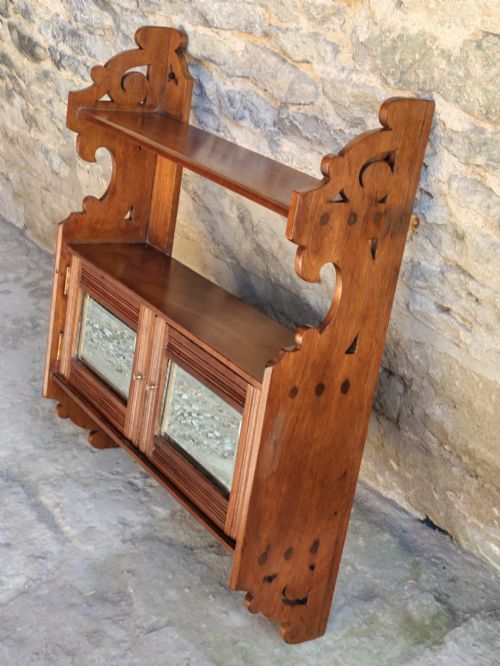


Pierced Wood Wall Mirror
A pierced wood wall mirror brings intricate fretwork and carved depth to a room, drawing the eye with pierced frames of mahogany, walnut, oak, and giltwood.
Pierced Wood Wall Mirror
A pierced wood wall mirror encompasses carved frames from the eighteenth century onwards, including Georgian fret-cut pieces and Anglo-Indian work. When a buyer searches for a pierced wood wall mirror, they encounter wall mirrors and wall cabinets featuring openwork frames and detailed fretwork.
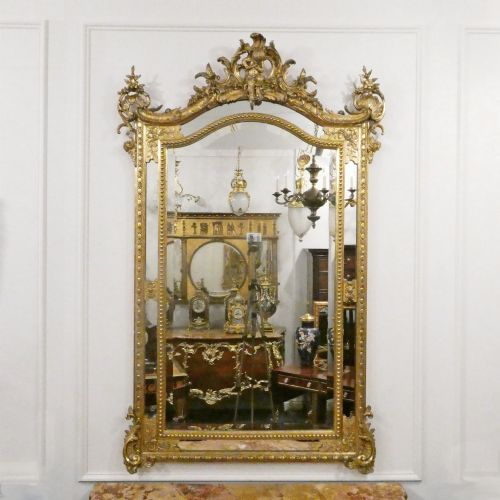
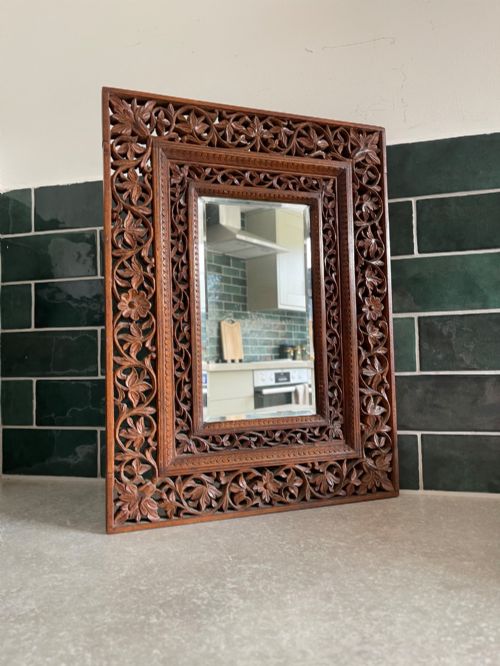
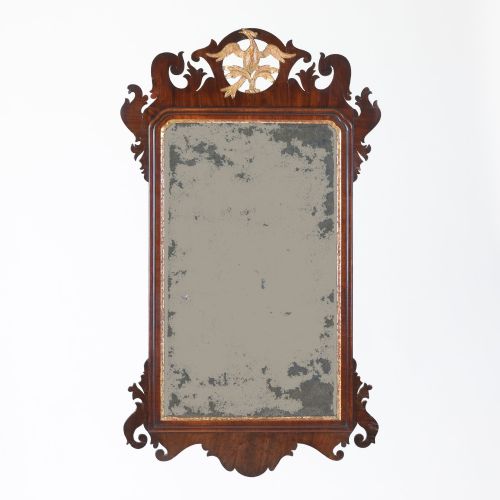
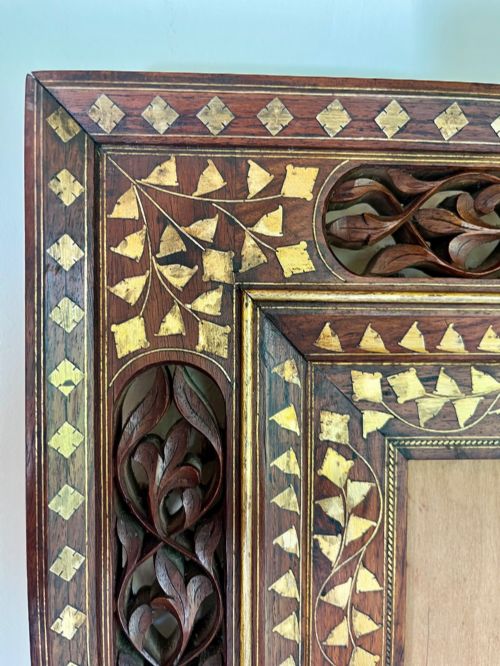
The most common versions on this page span the Georgian and Victorian eras, alongside Anglo-Indian, Italian Florentine, and French Louis XVI styles. These pieces range from Ho-ho bird fret-cut designs to brass inlaid Kashmiri and Hoshiarpur frames.
Origins vary from Scottish mahogany and English walnut workshops to North Indian and Italian centres of carving. Formats include rectangular fret-cut plates and oval frames carved from hardwood, oak, and giltwood.
Materials and construction
Makers utilised native and exotic timbers such as mahogany, walnut, oak, and hardwoods, shaping them through detailed fretwork and hand carving. Giltwood and gesso surfaces appear frequently, often finished with gold leaf applied over carved wooden bases.
Some eighteenth-century mirrors feature a startled Ho-ho bird peering down from the fretwork crest, keeping permanent watch over the room.
Assessing quality and craftsmanship
Quality rests upon the crispness of the pierced carving and the depth of the fretwork, where sharper incisions separate finer examples from softer, shallower cutting. The proportion of the frame to the mirror plate dictates the visual balance of the piece.
Surface preservation defines the standing of a carved frame, from original gilding on gesso to untouched hardwood patination. Integration of regional techniques, such as precise brass inlay or complex pierced edge work, elevates specific regional pieces.
The Pierced Wood Wall Mirror Glossary
- Fret-cut
- Woodwork pierced and shaped with a fine saw to create openwork patterns. This technique defines the intricate borders seen on many Georgian wall mirrors.
- Giltwood
- Timber coated with gold leaf or metallic powder over a prepared gesso ground. It provides a reflective, ornate surface typical of eighteenth-century and Florentine frames.
- Gesso
- A plaster mixture applied to wood frames to create a smooth base for carving or gilding. It allows for crisp ornamental details before the application of gold leaf.
- Anglo-Indian
- Furniture and decorative objects made in the Indian subcontinent during the British period, often featuring dense carved hardwood and brass inlay. These pieces combine traditional Indian motifs with European forms.
- Rococo
- An ornate design style characterised by asymmetrical curves, scrollwork, and natural motifs such as leaves and birds. It heavily influences eighteenth-century Chippendale mirrors.
Pierced Wood Wall Mirror: Frequently Asked Questions
How do I hang a heavy pierced wood mirror?
These frames require secure wall fixings suited to the combined weight of the timber and the glass plate. Professional picture hangers utilise appropriate wall plugs and screws matched to the structure of the wall.
Weight distribution matters greatly with carved wooden frames. Ensure the hanging wire or integrated brackets engage firmly with the primary wooden structure rather than decorative fretwork.
How do I clean a carved wooden frame?
Dust accumulates within the intricate pierced sections of fretwork and carved foliage. Use a soft, dry brush to gently sweep debris from the recesses without disturbing the wood or gilding.
Avoid liquid cleaners and polishes, particularly on giltwood or antique wax surfaces. Moisture causes gesso to soften and lifts delicate gold leaf from its wooden base.
Are these mirrors original to their glass?
Mirrors frequently underwent glass replacement over the centuries due to damage or foxing. Inspecting the silvering and the way the glass sits within the rebate helps indicate its age relative to the frame.
Original mirror plates often show characteristic oxidation and minor imperfections. Replacement glass is common in pieces from the eighteenth and nineteenth centuries and does not diminish the decorative value of the carved frame.
How do I distinguish Georgian from Victorian fretwork?
Georgian pierced mirrors often display lighter mahogany or walnut framing with refined fret-cut silhouettes and Ho-ho bird motifs. The carving is typically sharper and aligns with mid-eighteenth-century proportions.
Victorian interpretations and later revival pieces tend to utilise heavier timber construction or show denser, machine-assisted finishing. Comparing the weight, wood species, and backing construction clarifies the period.