



Pierced Sugar Spoon
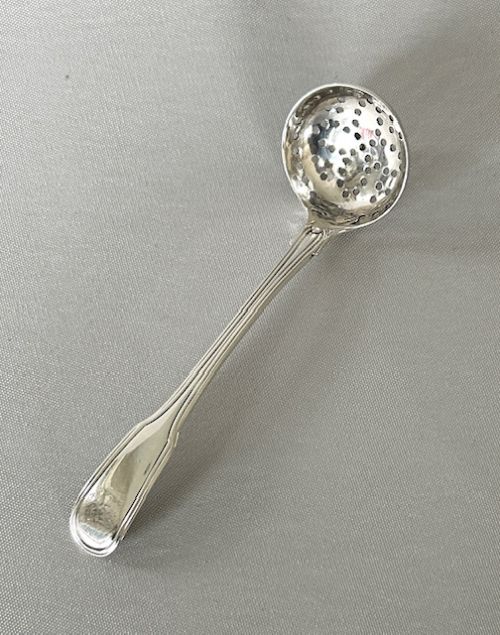
A pierced sugar spoon is a tactile piece of antique tableware designed for sifting or serving granular sugar over fruit or desserts.
Pierced Sugar Spoon
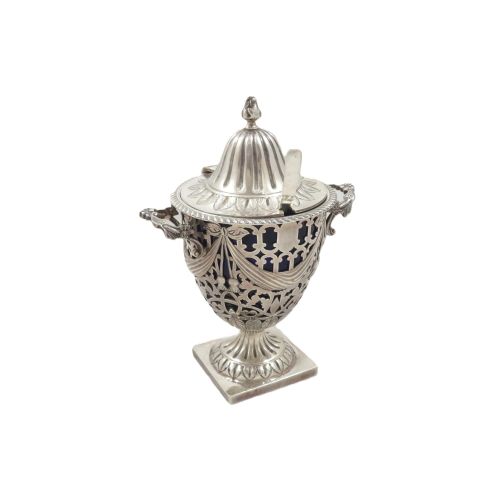
A pierced sugar spoon is a refined utensil designed for domestic tea service and dessert dining, appearing across Georgian, Victorian, and Edwardian periods. Collectors encounter diverse forms ranging from dedicated sifter and spice sifting spoons to complete sugar bowls paired with matching strainers.
The materials span sterling silver, silver plate, and occasional combinations involving glass and fitted cases lined with velvet, silk, or leather. These functional serving pieces reflect changing dining habits from the nineteenth century through the early twentieth century.
How they were made
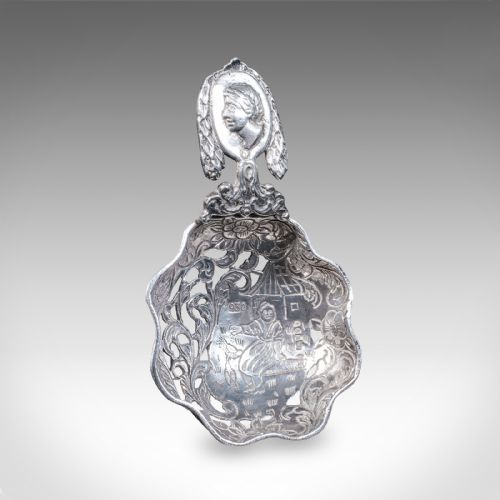
Makers utilised sterling silver and silver plate as primary metals, often shaping bowls through piercing techniques to create intricate sifting patterns. Specialised items incorporate imported hallmarks or regional European assay marks alongside traditional London, Chester, and Paris assay offices.
Craftsmen paired metalwork with complementary elements such as cobalt glass or cranberry glass bowls, occasionally housing the silverware within protective leather and velvet cases designed for preservation.
Pierced Sugar Spoon Retail Price Guide 2026
Typical asking prices for pierced sugar spoon among the pieces listed under this phrase on Sellingantiques today, from the lower quarter to the upper quarter. They describe what is for sale here now, not the wider market.
Materials recorded across the inventory include sterling silver, silver plate, cobalt glass, cranberry glass, leather, velvet, and silk.
What varies in quality
Distinctions in quality rest upon the crispness of the pierced design within the bowl and the clarity of the assay marks stamped into the metal. Pieces retaining original fitted leather cases or matched sets demonstrate higher original status than isolated utensils.
The depth and uniformity of the silversmith's piercing work differentiate standard production from finer examples originating in recognised workshops or international import houses.
Thomas Latham and Ernest Morton
The Pierced Sugar Spoon Glossary
- Sifter spoon
- A perforated utensil designed for dusting loose sugar or spices over food. These bowls feature pierced patterns to separate coarse lumps from fine grains.
- Hallmark
- Official stamps impressed into precious metals to indicate the assay office, standard of purity, and year of manufacture. They provide a reliable method for dating silver items.
- Sterling silver
- An alloy consisting of pure silver and other metals, typically copper, standardised for durability and lustre. British pieces commonly display the lion passant stamp to denote this grade.
- Silver plate
- A base metal coated with a thin layer of pure silver through electrochemical or mechanical processes. This technique allowed manufacturers to produce decorative tableware at a lower cost.
Pierced Sugar Spoon: Frequently Asked Questions
What is a pierced sugar spoon used for?
A pierced sugar spoon is historically used for sifting powdered or loose sugar over fruit, desserts, and hot beverages. The perforated bowl allows excess sugar to fall back into the vessel while retaining larger grains.
These utensils formed part of formal tea and dining services during the Georgian and Victorian eras. They bridge the gap between functional kitchenware and decorative tabletop display.
How do I identify the age of a silver sifter spoon?
Dating relies heavily on the hallmarks stamped directly into the metal surface, which indicate the assay office and year of manufacture. Stylistic indicators like Georgian bowl shapes or Edwardian monogramming also point to specific decades.
Matching the design characteristics with documented assay records provides a precise window of production. Archive examples further clarify stylistic evolutions across the nineteenth century.
How should I display or store a silver sugar spoon?
Silver spoons are best kept in dry environments away from direct sunlight to preserve the metal finish. Pieces accompanied by fitted velvet or leather cases benefit from storage within those original enclosures.
Routine handling helps maintain the natural patina developed over generations of use. Avoid abrasive cleaners that might wear down delicate pierced details.