




Pierced Silver Rings
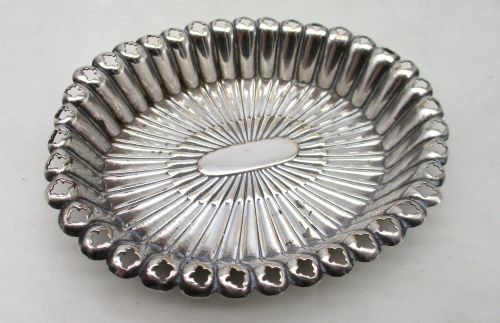
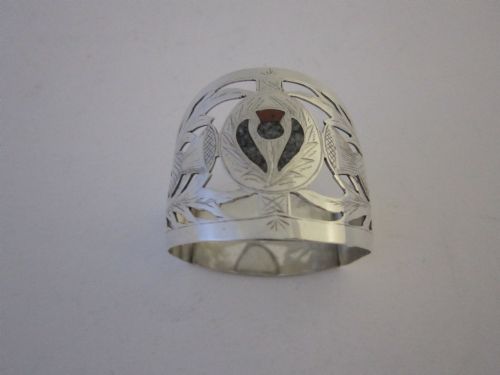
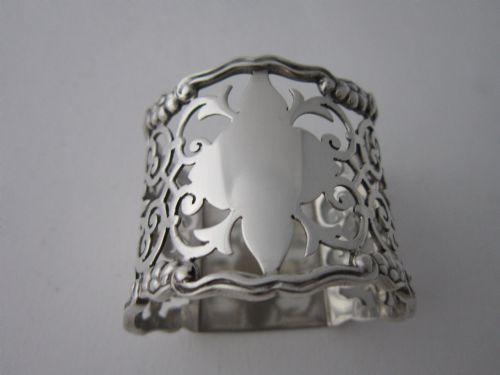
Pierced silver rings bring openwork elegance to the dining table, taking the form of napkin rings and dish rings crafted across multiple British periods.
Pierced Silver Rings
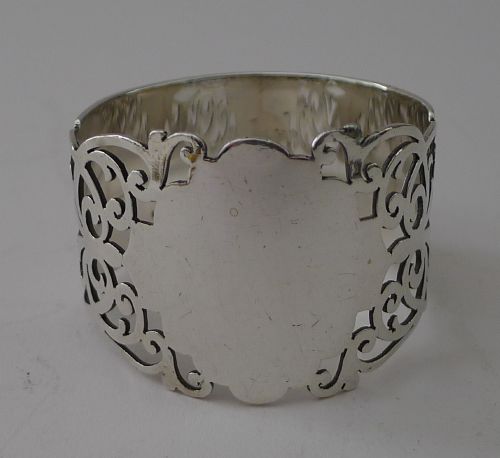
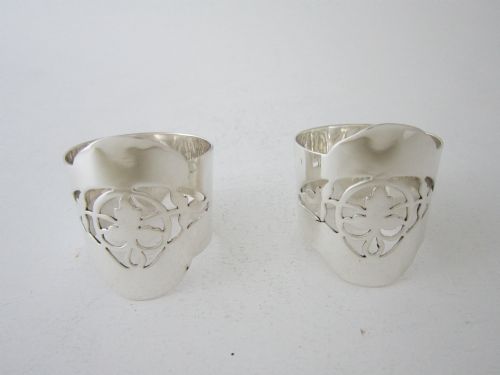
Pierced silver rings encompass domestic tableware items designed for presentation and dining, most frequently encountered as napkin rings and dish rings. These objects span periods from the eighteenth century through the mid-twentieth century, showing distinct stylistic shifts from Georgian forms to Edwardian and later twentieth-century designs.
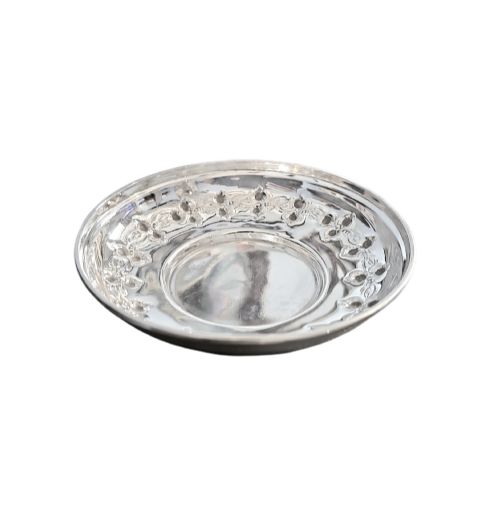
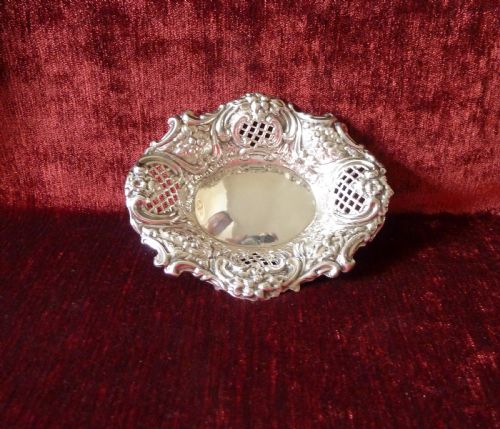
The domestic table relies on these pieces to hold linens or elevate serving dishes. Napkin rings form the core of what appears here, accompanied by larger dish rings and pin trays that utilise openwork piercing.
Makers produced these items in various regional assay offices, including London, Birmingham, and Sheffield. Buyers encounter sterling silver predominantly, alongside silver plate and Old Sheffield Plate.
How they were made
Silversmiths utilised sterling silver and Old Sheffield Plate as primary materials, sometimes combining silver with agate, silk, or velvet linings. Workshops formed the cylindrical and circular bands through metal rolling and soldering techniques.
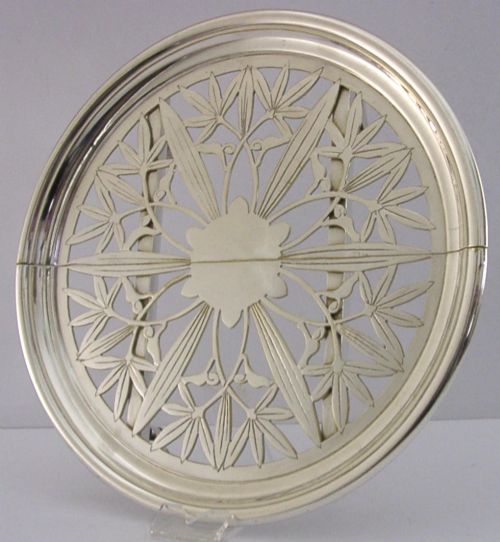
Piercing required careful hand-sawing or punching to create openwork patterns such as latticework, scrollwork, and neoclassical motifs. Makers then applied hallmarks or maker marks using traditional punch stamps to certify the metal purity and origin.
Pierced Silver Rings Retail Price Guide 2026
Typical asking prices for pierced silver rings among the pieces listed under this phrase on Sellingantiques today, from the lower quarter to the upper quarter. They describe what is for sale here now, not the wider market.
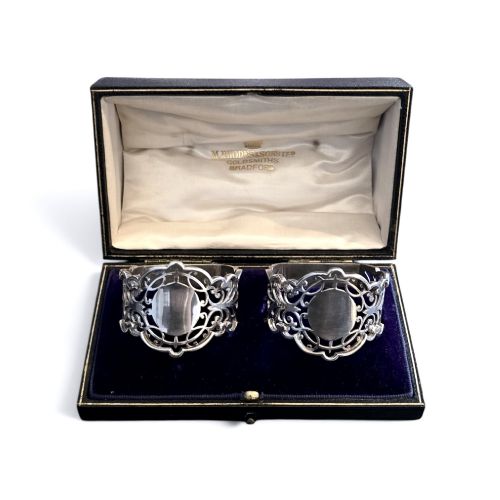
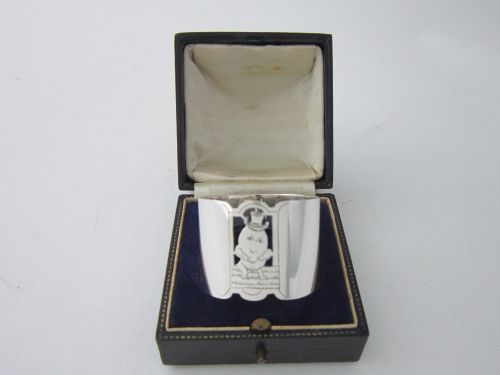
Some napkin rings arrive with their original velvet-lined boxes, preserved as if waiting for a Victorian wedding breakfast.
What varies in quality
Quality differences emerge in the crispness and complexity of the pierced work, where finely executed openwork demands skilled hand-piercing rather than basic stamping. The weight of the metal and the structural integrity of the ring shape also separate standard utility pieces from finer examples.
Cased sets and original presentation boxes indicate higher original retail status, particularly when associated with established makers. The preservation of original hallmarks and the subtlety of engraved monograms or decorative borders further influence the standing of an individual piece.
Martin Hall & Co·Thomas Bradbury & Sons·C.T. Burrows & Sons·Cartier·Christofle
The Pierced Silver Rings Glossary
- Piercing
- The decorative removal of metal to create openwork patterns such as lattice, scrollwork, or geometric designs. This technique lightens the visual weight of the silver object.
- Assay office
- An official body that tests the purity of precious metals and applies hallmark stamps. Offices in London, Birmingham, and Sheffield feature frequently.
- Old Sheffield Plate
- A composite material made by fusing a layer of silver to a copper base. This early plating method predates electroplating.
- Dish ring
- A large, spool-shaped stand used on the dining table to elevate hot dishes or bowls. They often feature extensive pierced decoration.
- Napkin ring
- A small circular band used to identify individual table napkins. They appear singly or in fitted presentation cases.
Pierced Silver Rings: Frequently Asked Questions
What is a silver dish ring?
A dish ring is a spool-shaped stand placed on the dining table to support bowls or hot dishes. They protect table surfaces and display decorative openwork.
Most examples seen in these listings date from the Edwardian era and reflect traditional Irish forms.
How do I use napkin rings today?
Napkin rings serve to organise linen at family meals or formal dining settings. They also function as decorative table accessories when not in active use.
Many period examples come in fitted presentation cases suitable for storage or gifting.
Are these rings solid silver?
The majority of pieces utilise solid sterling silver bearing British hallmarks. Other items consist of silver plate or Old Sheffield Plate over copper.
Assay office marks and purity stamps help confirm the exact metal composition.
How can I tell the period?
Hallmarks provide precise date letters alongside assay office symbols and maker marks. Stylistic cues such as Edwardian neoclassical motifs or Art Deco geometry also indicate the era.
Period markers range from eighteenth-century Old Sheffield Plate to mid-century modern designs.