



Pierced Back Hall Chairs
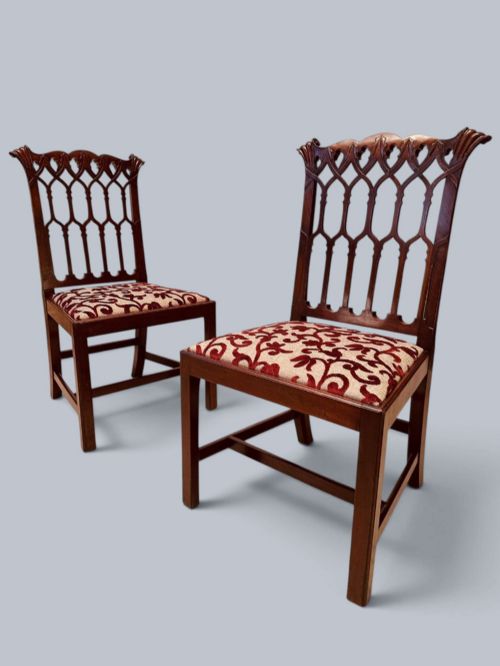
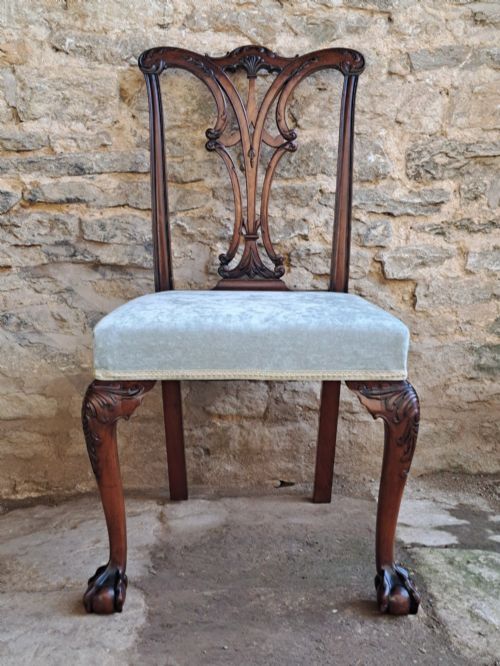
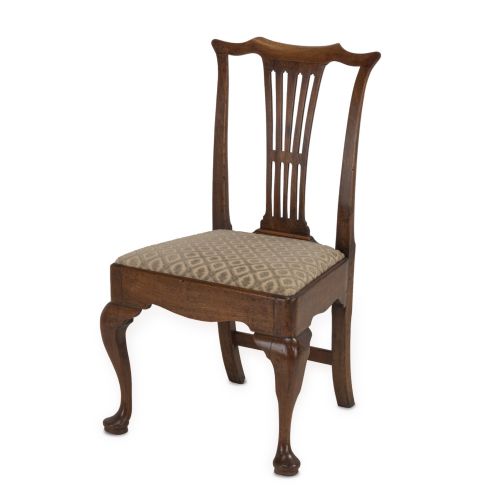
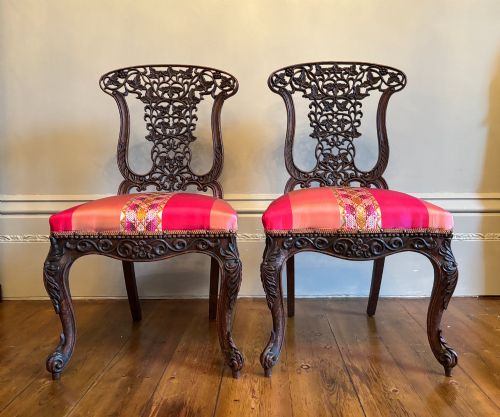
Pierced back hall chairs are substantial wooden seating pieces designed for entrance spaces, offering both sculptural presence and historical utility.
Pierced Back Hall Chairs
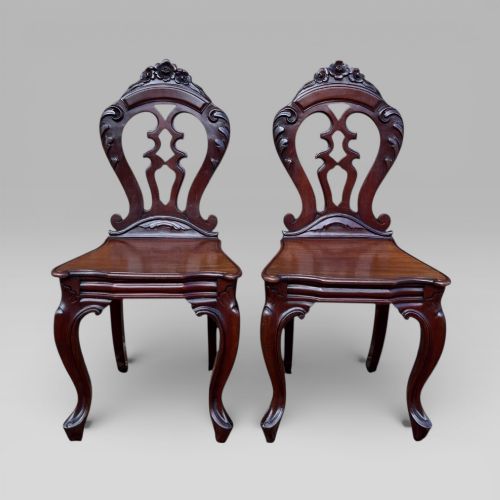
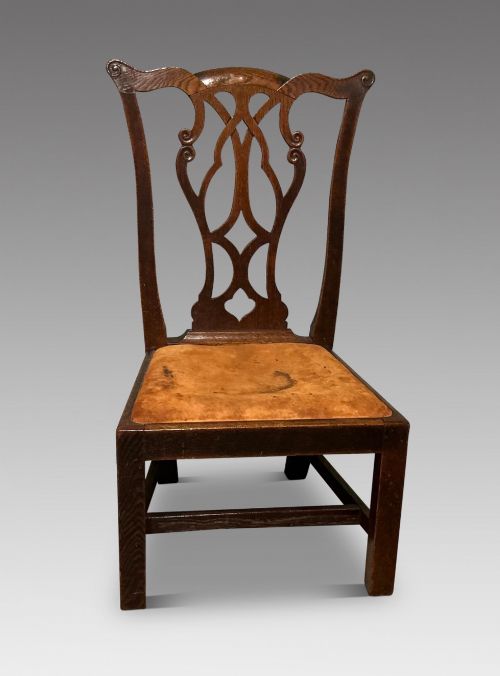
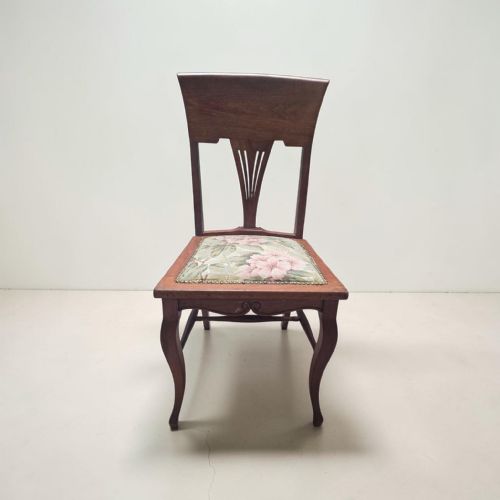
Pierced back hall chairs stand as practical entryway furniture produced across multiple eras, most frequently appearing in Victorian and Georgian incarnations. These pieces serve primarily as structural yet decorative items positioned in corridors and halls.
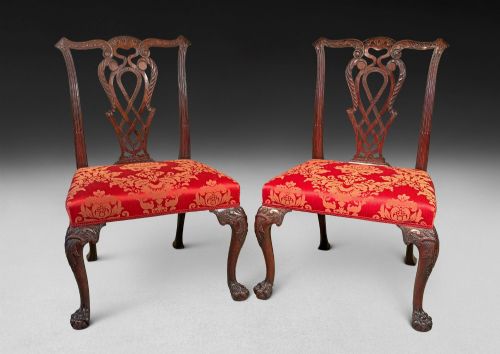
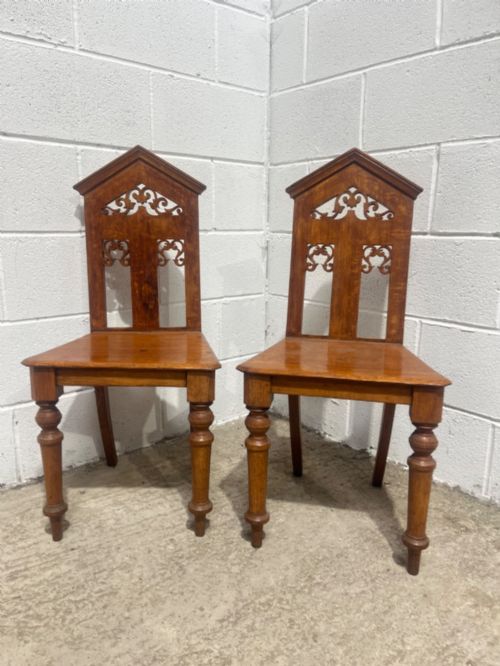
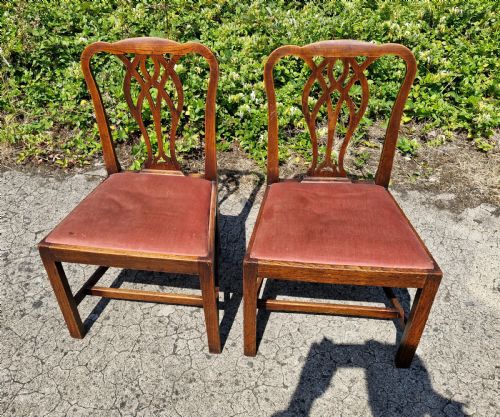
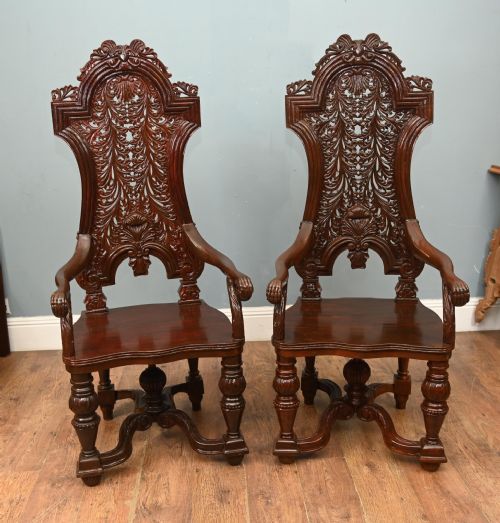
The selection ranges from sturdy oak and elm country examples to refined mahogany designs featuring intricate cut-out splats. Buyers frequently encounter pairs or single items spanning revival styles like Chippendale, Gothic, and Jacobean.
How they were made
Cabinetmakers utilised dense timbers such as mahogany, oak, walnut, and elm to construct these robust frames capable of withstanding hallway traffic. Joinery methods relied on mortise and tenon construction to ensure structural rigidity.
Carving and piercing techniques were applied directly to the wooden splats and backs, often incorporating fretwork, turned details, and occasionally fabric or velvet upholstery on related seat pads.
Pierced Back Hall Chairs Retail Price Guide 2026
Typical asking prices for pierced back hall chairs among the pieces listed under this phrase on Sellingantiques today, from the lower quarter to the upper quarter. They describe what is for sale here now, not the wider market.
Listings span multiple periods including Georgian, Victorian, and Edwardian, utilising timbers like mahogany, oak, walnut, and elm.
What varies in quality
Quality rests in the crispness of the timber carving and the architectural proportion of the pierced splat. Finer examples display meticulous grain selection and deeper relief work on the wooden frames.
The integrity of the original joints and the weight of the primary wood distinguish standard utility seating from finer cabinetmaker output. Surface patination accumulated over centuries also dictates the standing of a piece.
Thomas Chippendale·Wheeler
The Pierced Back Hall Chairs Glossary
- Splat
- The central vertical slat of a chair back, which in these pieces is pierced or cut through to form decorative patterns. It provides both back support and visual detail.
- Revival
- A design style that consciously copies or adapts historical forms from earlier centuries, such as Gothic or Jacobean periods. These later interpretations borrow traditional motifs.
- Fretwork
- Ornamental work consisting of interlaced or perforated patterns cut from wood. This technique defines the pierced backs characteristic of these chairs.
- Patina
- The surface sheen and mellowing of colour developed by wood over long periods of handling and age. It acts as an indicator of genuine historical survival.
Pierced Back Hall Chairs: Frequently Asked Questions
Where were hall chairs placed?
These chairs stood in entrance halls, corridors, and vestibules of large houses where visitors waited. They were designed to be functional yet visually striking upon immediate entry.
Their upright proportions meant they occupied minimal floor space while displaying the status or stylistic taste of the household through carved details.
How do I date an oak hall chair?
Dating relies on examining the timber preparation, tool marks, and the specific revival style employed in the carving. Georgian and Victorian pieces show distinct shifts in proportion and decorative vocabulary.
Construction joints and the natural ageing of the wood grain provide further physical clues to establish the manufacturing period with confidence.
Are these chairs comfortable for daily use?
Hall chairs were historically intended for short periods of waiting rather than prolonged seating. Most examples feature solid wooden seats without upholstery, prioritising durability over cushioning.
Living with them today usually involves placing them in low-traffic reception rooms or utilising them as sculptural accent pieces.
What is the difference between side chairs and hall chairs?
Hall chairs are typically constructed entirely from solid wood with rigid backs suited to entranceways. Side chairs often incorporate upholstered pads and served dining or drawing room functions.
Pierced back designs appear across both categories, but hall versions generally emphasise structural resilience against drafty hallways.