

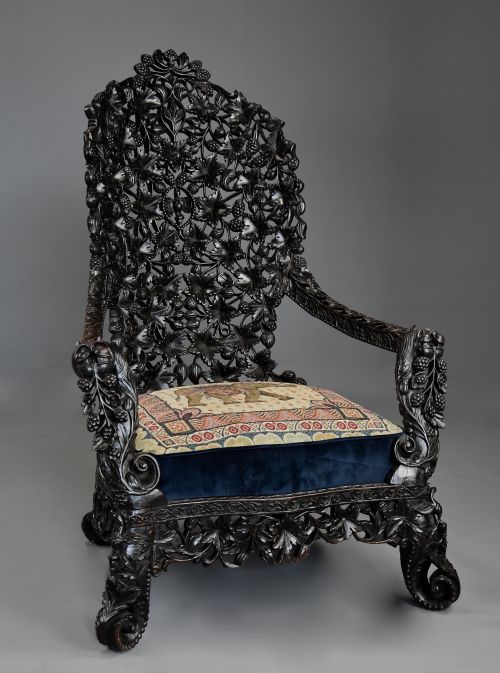
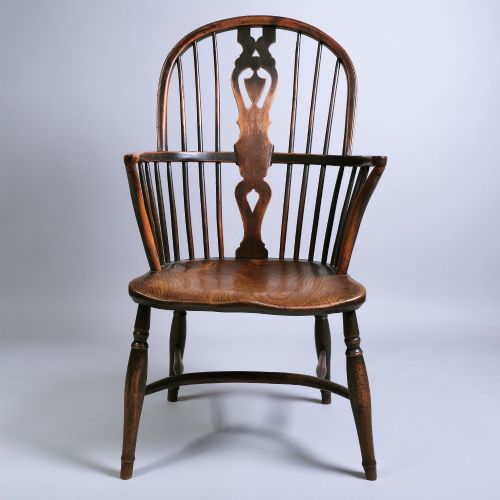
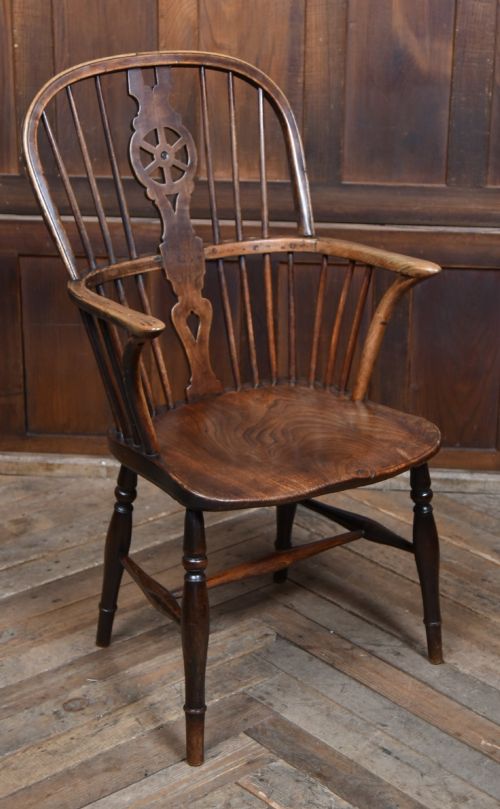
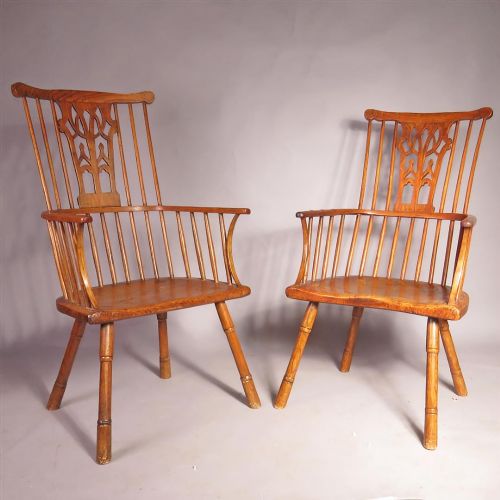
Pierced Back Accent Chair
These chairs combine a pierced back accent chair design with robust timber construction, offering a distinct seating option for traditional interiors.
Pierced Back Accent Chair
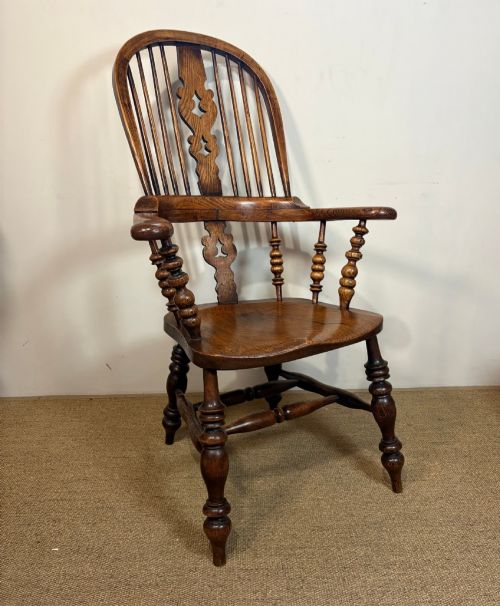
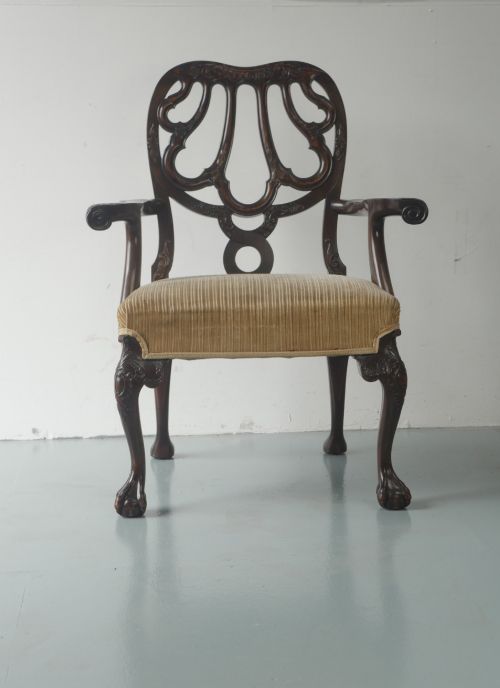
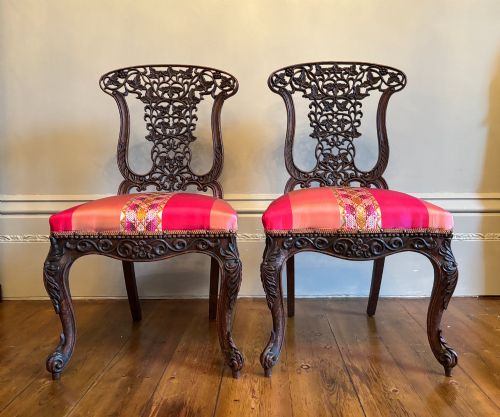
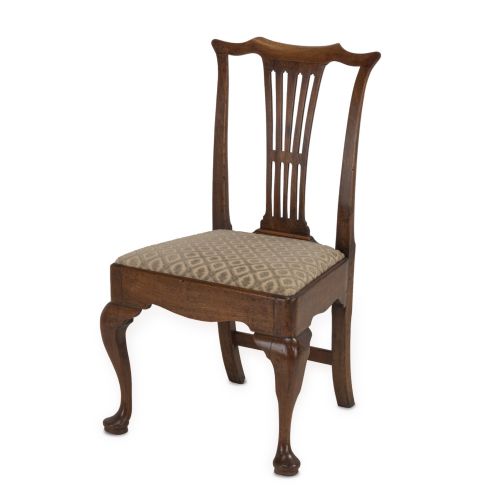
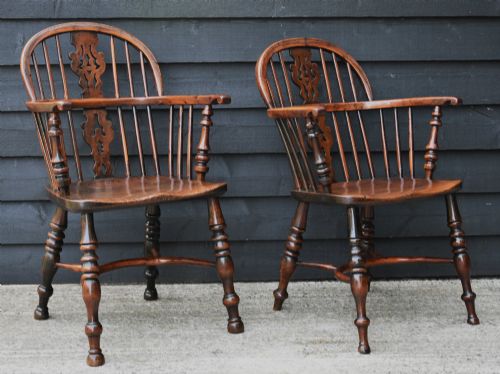
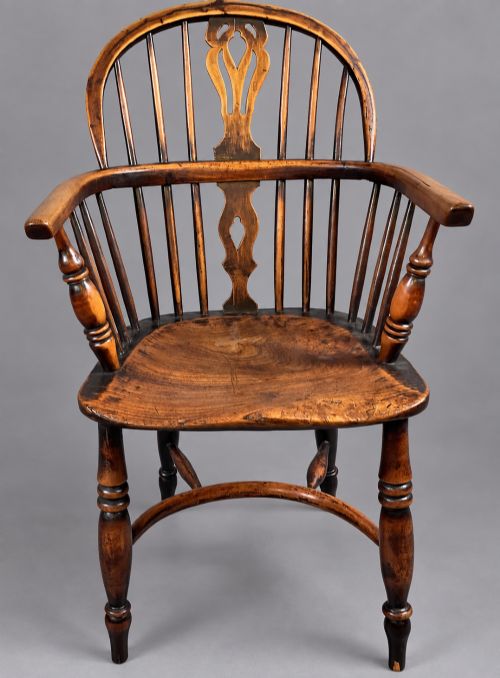
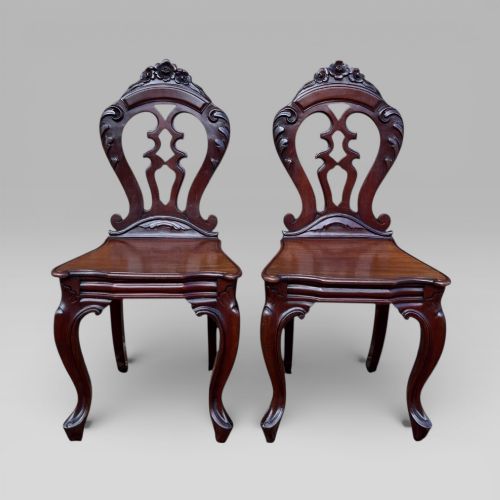
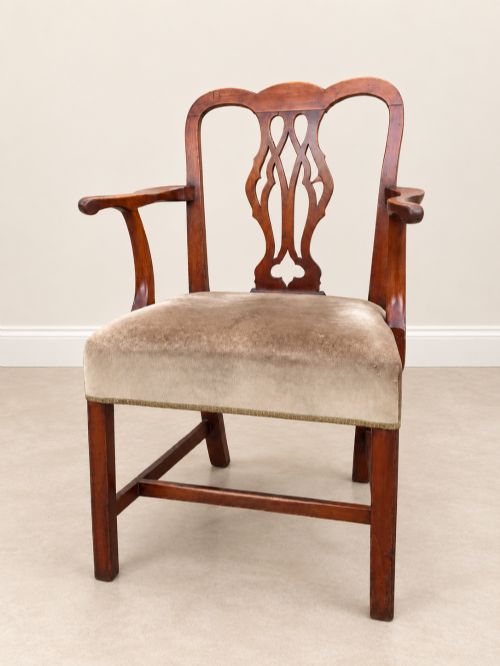
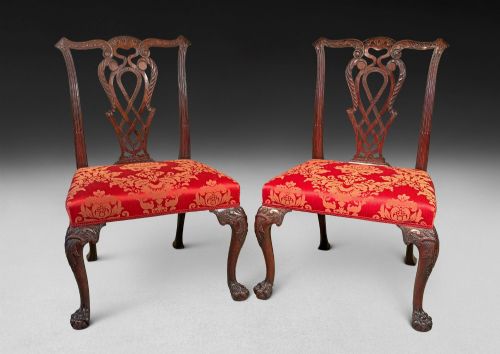
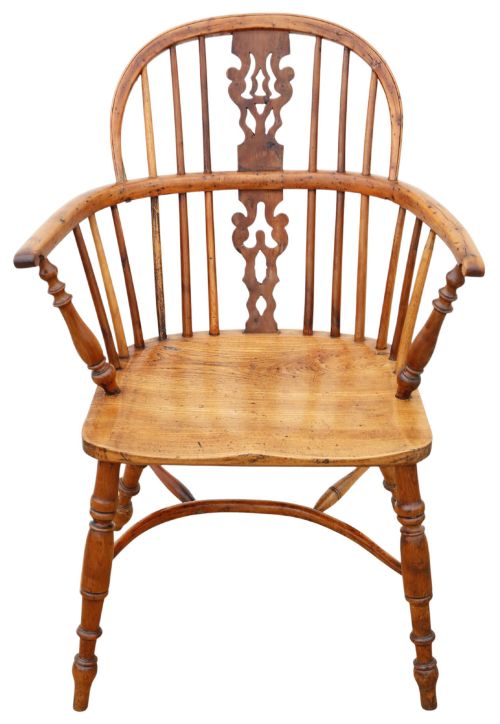
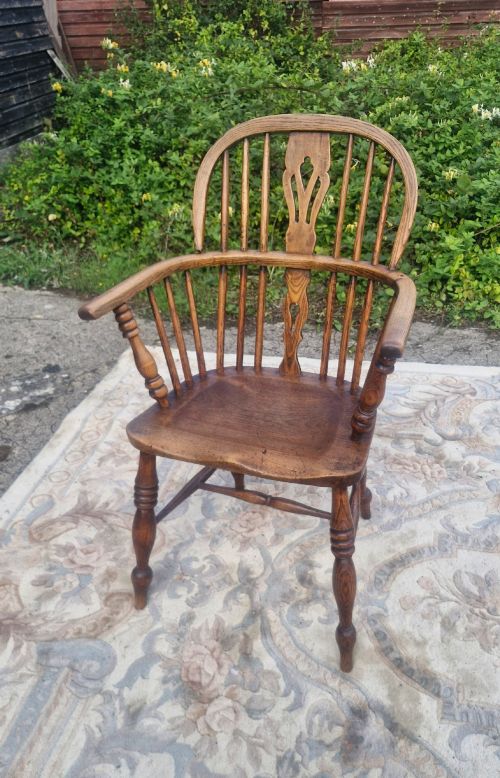
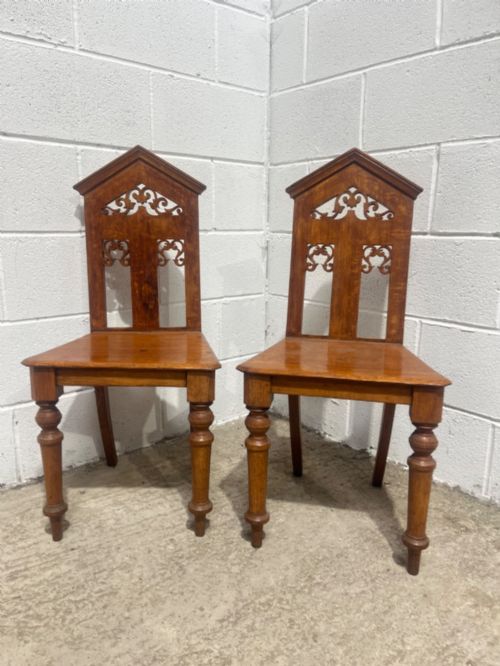
When you search for a pierced back accent chair, you examine a selection of seating furniture originating from the eighteenth, nineteenth, and early twentieth centuries. The offerings span formal mahogany side chairs with openwork splats alongside country Windsor armchairs and vernacular elbow chairs.
The most common examples on this page are nineteenth-century Windsor armchairs built from combinations of yew and elm, alongside eighteenth-century walnut side chairs featuring pierced splats. These pieces serve as functional seating or decorative accents in sitting rooms and hallways.
Materials and construction
Cabinet makers and bodgers utilised native hardwoods such as elm, ash, beech, yew, and oak, often pairing bentwood components with turned spindles and solid plank seats. Mahogany and walnut appear in more formal dining and side chairs.
Joinery techniques include mortise and tenon joints for framed chairs and steam-bending for the distinctive hoops and bows of Windsor chairs. Pierced splats are hand-cut from solid timber boards to shape the central back design.
Pierced Back Accent Chair Retail Price Guide 2026
Typical asking prices for pierced back accent chair among the pieces listed under this phrase on Sellingantiques today, from the lower quarter to the upper quarter. They describe what is for sale here now, not the wider market.
The listings here include diverse timber species, recording pieces made from elm, mahogany, yew, fabric, ash, beech, yew wood, and oak.
Assessing quality and finish
The standard of a pierced back accent chair depends upon the choice of timber figure, the crispness of the pierced splat carving, and the integrity of the original joints. High-grade examples display rich grain patination and balanced proportions without excessive repair.
Lesser items show coarser timber selection, clumsy replacement components, or heavy sanding that removes the soft edges developed through centuries of handling and cleaning.
Fred Walker·Wheeler Of Arncroach·Rockley
The Pierced Back Accent Chair Glossary
- Pierced splat
- A vertical central strip of wood within a chair back that has an openwork design cut through it. This technique lightens the visual weight of the frame.
- Windsor chair
- A wooden chair constructed with a solid saddle-seated base into which the legs and back spindles are independently tenoned. They often feature bentwood hoops and arm bows.
- Carver elbow-chair
- An armchair designed with low wooden armrests, frequently used as a companion piece to a set of matching dining chairs.
- Splatted back
- A chair back incorporating one or more central wooden boards fixed between the top rail and the seat.
- Vernacular furniture
- Objects made by local regional craftsmen using readily available native timbers rather than following strict urban stylistic rules.
Pierced Back Accent Chair: Frequently Asked Questions
Are Windsor chairs comfortable?
Windsor chairs provide sturdy seating through their sculpted wooden seats and supportive arched spindles.
Their ergonomic wooden saddles make them practical for everyday use around a desk or dining table without requiring upholstered cushions.
How do I date an antique chair?
Dating relies on examining the timber species, tool marks, construction methods, and stylistic details such as splat shapes or leg turnings.
Earlier pieces often display native fruitwoods and hand-sawn components, while later revival models incorporate nineteenth-century manufacturing techniques.
Where should I place an accent chair?
An accent chair fits well in hallways, corners of bedrooms, or beside a fireplace as an occasional seat.
Their decorative pierced backs and carved wooden frames ensure they stand out visually against plain walls.