



Phoenix Charger Plate
These phoenix charger plate examples bring together rich decorative traditions, offering striking mythical bird motifs on large display dishes.
Phoenix Charger Plate
A phoenix charger plate represents a large decorative dish or platter featuring the mythical phoenix, known in Japanese tradition as the ho-o bird. These substantial pieces are designed primarily for display rather than dining.
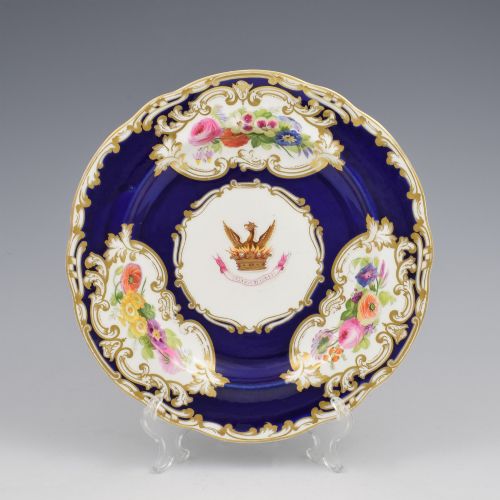
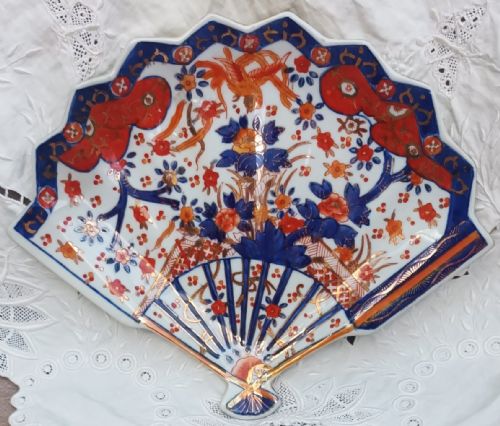
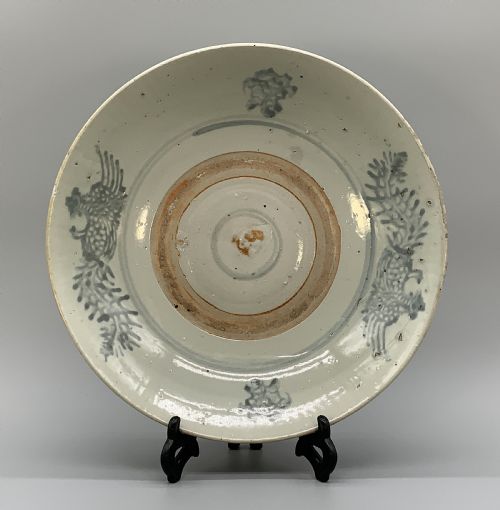
The selections span distinct periods, taking the form of Japanese Meiji and Edo period works alongside Chinese Ming dynasty Swatow ware and Victorian European porcelain. Buyers frequently encounter intricate Japanese cloisonne enamel chargers and Imari porcelain examples within these selections.
How they were made
Many of these large display dishes utilise porcelain bodies finished with cobalt glaze, rich gilding, and detailed enamel work. Makers shaped these pieces to form substantial platters capable of holding complex painted scenes.
Cloisonne enamel examples involve applying fine metal wires to form cells on a copper or brass base, which are then filled with coloured enamel and fired. Other specialised techniques combine porcelain with totat and cinnabar lacquer for distinct tactile surfaces.
Phoenix Charger Plate Retail Price Guide 2026
Typical asking prices for phoenix charger plate among the pieces listed under this phrase on Sellingantiques today, from the lower quarter to the upper quarter. They describe what is for sale here now, not the wider market.
Periods represented span from the seventeenth century through the Victorian era and into the early twentieth century.
What varies in quality
The standard of a phoenix charger plate depends heavily on the precision of the enamel work and the complexity of the bird motifs. Superior pieces demonstrate exceptional control in wirework and depth of colour.
Scale and material integration also separate standard production from finer works, particularly where delicate porcelain bodies meet intricate surface decoration or lacquer work.
The Phoenix Charger Plate Glossary
- Charger
- A large decorative plate or platter traditionally used for display rather than service at the table. These oversized vessels provide a broad canvas for elaborate artistic scenes.
- Cloisonne
- A metalwork technique where fine wires are soldered to a base to create compartments filled with enamel paste. The piece is then fired and polished to a smooth finish.
- Imari
- A style of Japanese export porcelain characterised by a palette of cobalt blue, iron red, and gold. These wares were widely produced during the Edo and Meiji periods.
- Totai
- A technique involving porcelain vessels decorated with translucent or carved elements like cinnabar lacquer. This method creates textured surfaces distinct from standard glazed ceramics.
- Ming Dynasty
- A historical Chinese period noted for robust ceramic production, including Swatow ware chargers. Pieces from this era often feature bold underglaze blue painting.
Phoenix Charger Plate: Frequently Asked Questions
What is a charger plate?
A charger plate is an oversized decorative dish intended for display on a sideboard, wall, or table centre rather than for holding food. These large vessels showcase elaborate artistic traditions from various periods.
Historically, such platters served as focal points in a room, highlighting the skill of the makers through detailed motifs like the phoenix or floral patterns.
How do I display a large charger?
Large chargers require sturdy wall hangers designed for heavy porcelain or metal dishes, or deep plate stands if placed on a surface. Ensure the support matches the considerable weight of pieces such as cloisonne enamel or thick porcelain.
Placement should avoid direct sunlight to protect coloured enamels and gilding from fading over time.
What does the phoenix symbolise?
The phoenix, often referenced as the ho-o bird in Japanese contexts, represents renewal, virtue, and grace. It frequently appears alongside other auspicious motifs on decorative arts.
Artisans rendered these mythical birds with elaborate tail feathers and expressive postures across various mediums including enamel and porcelain.
How do I care for antique enamel chargers?
Antique cloisonne enamel and porcelain chargers need gentle dusting with a soft, dry cloth. Avoid harsh chemical cleaners or submersion in water, which can damage exposed metal wires and aged glazes.
Maintaining a stable indoor humidity helps preserve both the metal bases and the applied enamel surfaces over the years.