





Pharmacy Bottle Stopper
These pharmacy bottle stopper examples provide the vital sealing tops for chemist and apothecary vessels from the Georgian, Victorian, and early 20th century eras.
Pharmacy Bottle Stopper
When you search for a pharmacy bottle stopper, you are looking at utilitarian glassware created to seal chemical and medicinal jars. The pieces found here predominantly reflect Victorian and 19th century apothecary contexts, alongside Georgian and early 20th century examples.
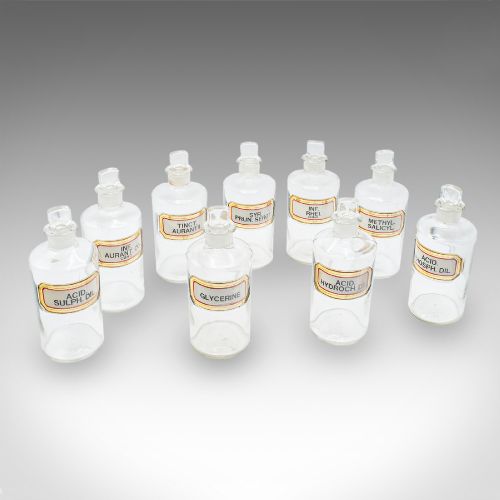
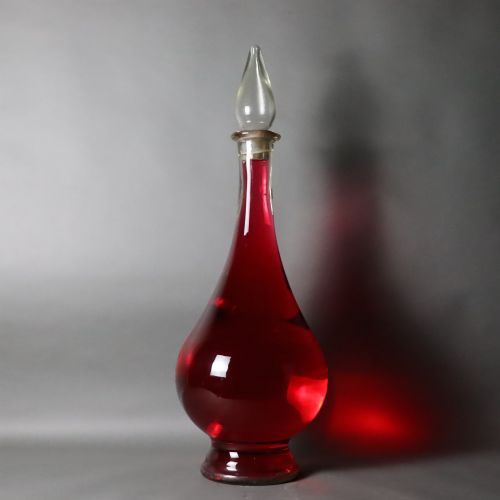
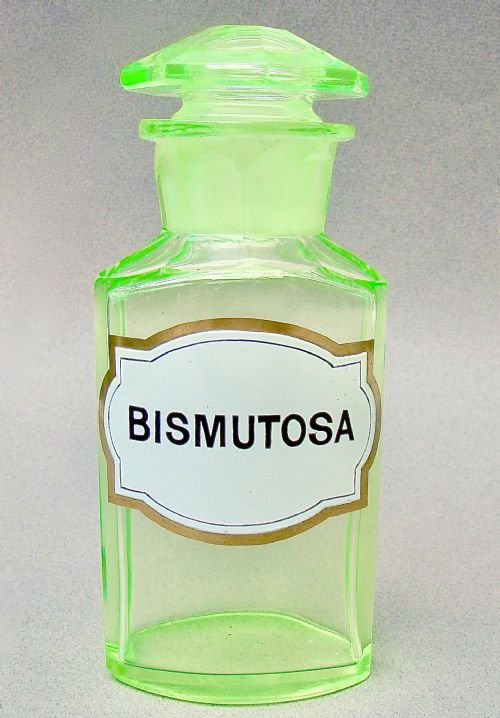
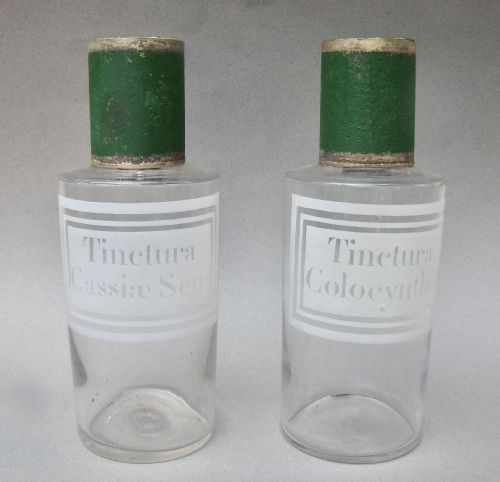
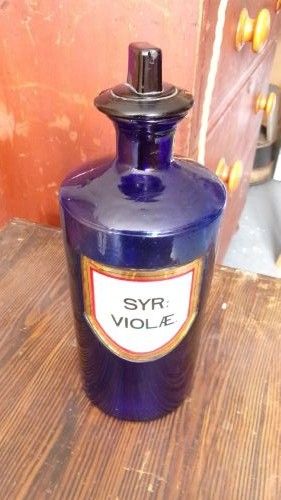
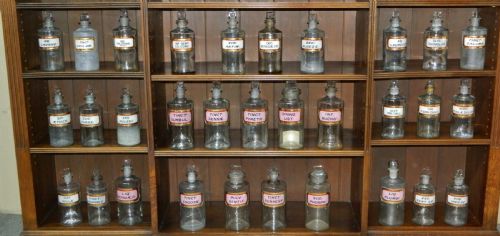
The objects appearing in these listings range from large carboys and chemist bottles with lollipop stoppers to sets of smaller drug jars and fitted campaign boxes. Many feature distinct glass colours such as Bristol blue and green, often paired with hand painted or paper labels.
How pharmacy bottle stopper items were made
Production centres on hand blown glass techniques, resulting in individual variations in weight, clarity, and bubbles within the material. Coloured vessels utilise cobalt glass or green glass formulas melted in traditional furnaces.
Detailing on these pieces includes etching, gold leaf application, and hand painted elements for identification labels. Some items integrate metal components or wooden elements, particularly in fitted campaign boxes.
Pharmacy Bottle Stopper Retail Price Guide 2026
Typical asking prices for pharmacy bottle stopper among the pieces listed under this phrase on Sellingantiques today, from the lower quarter to the upper quarter. They describe what is for sale here now, not the wider market.
Listings span the Georgian, Victorian, and early 20th century periods, incorporating glass, paper, gold leaf, and mahogany materials.
What varies in quality
Quality rests upon the preservation of the original hand blown form and the clarity of the coloured or clear glass. Pieces that retain untouched paper labels or crisp gold leaf detailing display superior craftsmanship.
Completeness dictates value within sets, where matching stoppers and uniform glass surfaces elevate the stature of the apothecary jars and chemist bottles.
The Pharmacy Bottle Stopper Glossary
- Carboy
- A large globular glass bottle used in laboratories and pharmacies for holding corrosive liquids. These vessels frequently feature substantial stoppers.
- Lollipop stopper
- A glass closure characterised by a flat, circular disc top above a ground stem. This design allows for a secure fit in chemist bottles.
- Bristol blue
- A deep cobalt blue glass traditionally produced in the Bristol area during the Georgian and Victorian eras. Apothecary jars utilised this hue to protect contents from light.
- Tincture bottle
- A small glass vessel designed to hold alcoholic medicinal extracts. These typically feature ground glass stoppers to prevent evaporation.
Pharmacy Bottle Stopper: Frequently Asked Questions
What are pharmacy bottle stoppers made from?
These items are made primarily from hand blown glass, utilising clear, green, or cobalt coloured variants. Some examples incorporate paper labels, paint, or gold leaf.
Additional materials found in related apothecary sets include wood and metal, particularly within fitted campaign boxes and chest structures.
How do I date a pharmacy bottle stopper?
Dating relies on observing manufacturing marks, glass colouration, and the overall form of the vessel it accompanies. Georgian and Victorian pieces exhibit distinct hand blown traits.
Stylistic cues such as etched patterns and the presence of original paper or painted labels help narrow the period between the 18th and early 20th centuries.
Were these stoppers used for medicines?
Yes, these stoppers sealed glass jars and bottles that stored chemicals, drugs, and liquid tinctures in pharmacies and dispensaries. The tight ground glass seal kept contents pure.
Larger vessels like carboys held bulk supplies, while smaller chemist bottles sat on apothecary shelves for daily dispensing.
How do I display apothecary bottles?
Displaying these items involves placing them on shelves where light can pass through the clear, green, or Bristol blue glass. Keeping the stopper paired with its original bottle maintains historical context.
Groupings of chemist jars or sets of matching tincture bottles create a strong visual focal point in a room.