





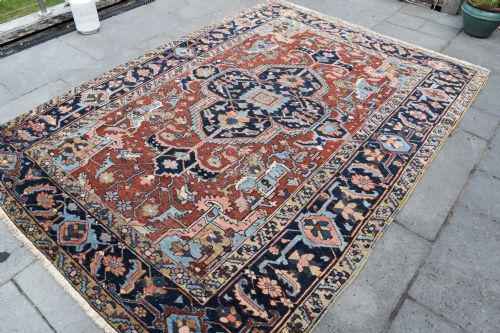
Persian Roomsize Rug
These persian roomsize rug pieces are substantial floor coverings defined by traditional weaving traditions, offering generous dimensions suited to anchoring large spaces.
Persian Roomsize Rug
A persian roomsize rug brings centuries of weaving heritage directly onto the floor, offering substantial dimensions designed for major reception spaces. When exploring this selection, buyers encounter traditional formats that span from the late nineteenth century through to the early decades of the twentieth century.
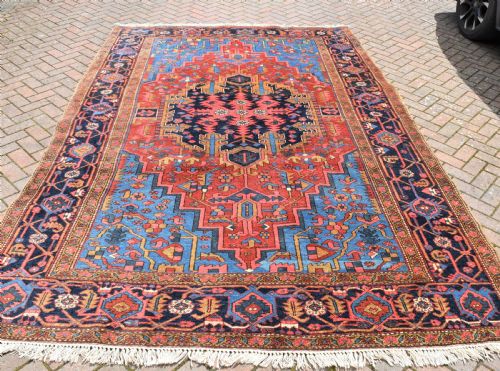
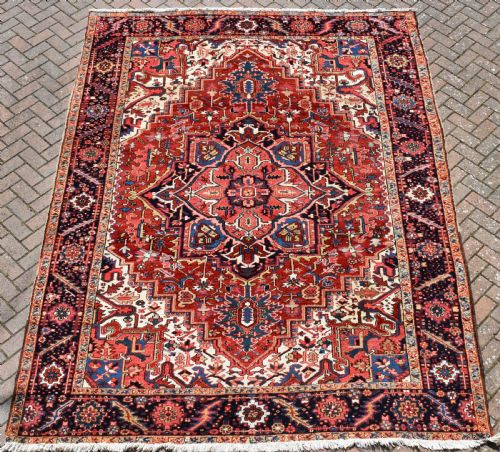
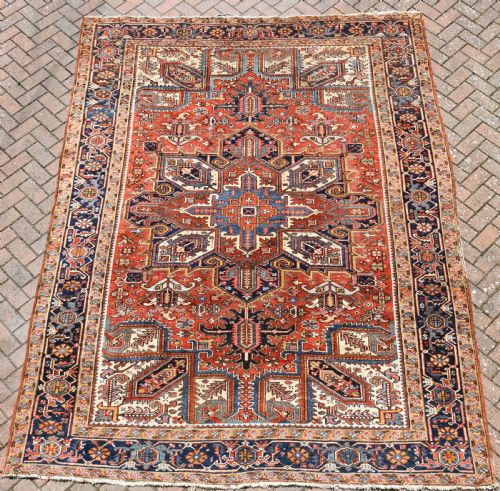
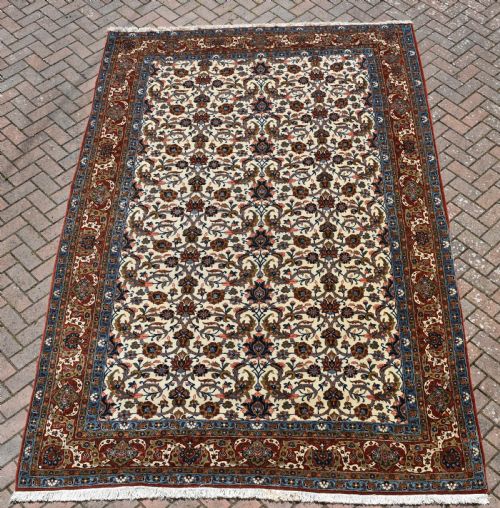
The objects listed here encompass regional aesthetics, including distinct Heriz, Kirman, Tabriz, Ferahan, and Qum expressions. These larger formats anchor a room effectively while showcasing intricate compositions developed across Persian workshops.
Materials and construction
Traditional construction relies on durable wool pile knotted onto sturdy cotton foundations, ensuring the resilience required for large floor coverings. Weavers utilised locally sourced natural materials to achieve the dense pile characteristic of these historic workshop pieces.
The combination of wool and cotton supports the structural integrity of these substantial carpets, allowing detailed geometric and floral motifs to hold their form over generations of use.
Persian Roomsize Rug Retail Price Guide 2026
Typical asking prices for persian roomsize rug among the pieces listed under this phrase on Sellingantiques today, from the lower quarter to the upper quarter. They describe what is for sale here now, not the wider market.
Even the sturdiest Heriz floor covering appreciates a gentle rotation once a year to share the foot traffic evenly.
Markers of distinction
Quality in these carpets rests upon the precision of the knotting and the clarity of the regional design execution, distinguishing standard production from finer workshop output. Finer examples demonstrate superior handling of traditional palettes and more intricate structural density.
The overall balance of the composition and the preservation of the original borders indicate the level of craftsmanship invested in the piece during its initial creation.
Hajji Jalili
The Persian Roomsize Rug Glossary
- Heriz
- A Persian town style known for bold geometric medallions and robust structural character. These rugs typically feature durable wool pile suited for heavy foot traffic.
- Kirman
- A Persian weaving centre celebrated for refined floral compositions and sophisticated colour palettes. Pieces from this origin often display intricate central medallions.
- Tabriz
- A historic northern Persian production hub recognised for fine knotting and classical pictorial or garden designs. Such carpets represent high levels of urban workshop skill.
- Ferahan
- A stylistic attribution linked to central Persian weaving, noted for balanced overall patterns and understated elegance. These older pieces carry distinct regional subtleties.
- Qum
- A modern Persian workshop city famous for meticulous execution and fine materials. Carpets bearing this origin display exceptional detail in both field and border.
Persian Roomsize Rug: Frequently Asked Questions
Where should I place a persian roomsize rug?
These large floor coverings suit principal living areas, dining rooms, or large studies where their generous dimensions can anchor the furniture arrangement.
Ensure the room layout allows the main central medallion or overall pattern to remain visible rather than being entirely obscured by heavy furniture.
How do I care for an antique roomsize carpet?
Regular gentle vacuuming without a beater bar removes surface dust and protects the wool pile from abrasive particles.
Professional cleaning by specialists familiar with historic Persian textiles ensures the cotton foundations and wool fibres are maintained safely.
How do I distinguish a Heriz from a Tabriz?
Heriz carpets typically present bold, geometric central medallions and sturdy structural designs with strong angular lines. Tabriz pieces tend to favour finer floral motifs and more delicate curving lines reflecting urban workshop traditions.
Both styles utilise wool on cotton foundations, but the visual language of the pattern immediately separates the two regional traditions.
What periods do these roomsize rugs represent?
The selection spans from the late nineteenth century through to the early twentieth century, capturing distinct decades of traditional production.
Each period reflects the continuity of Persian weaving techniques adapted to meet the demands of large domestic interiors.