





Persian Herati Carpet
A persian herati carpet brings intricate lattice patterns and rich regional weaving traditions directly to your floor from nineteenth and early twentieth century workshops.
Persian Herati Carpet
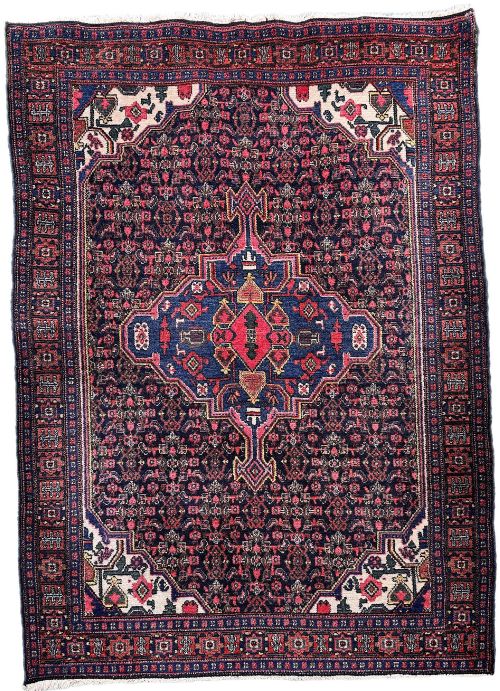
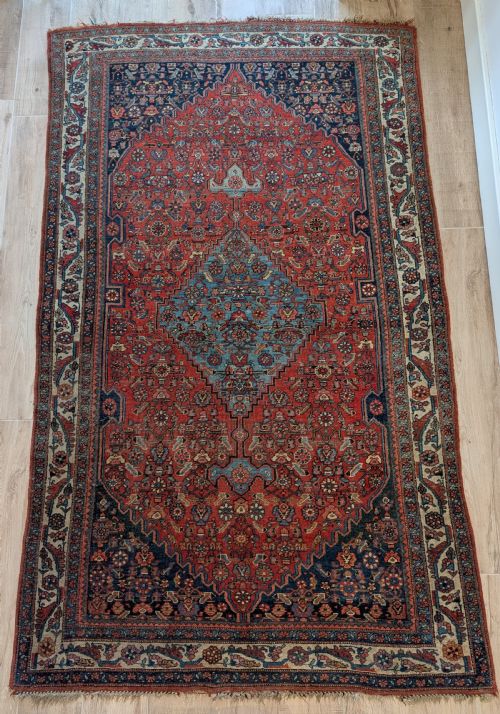
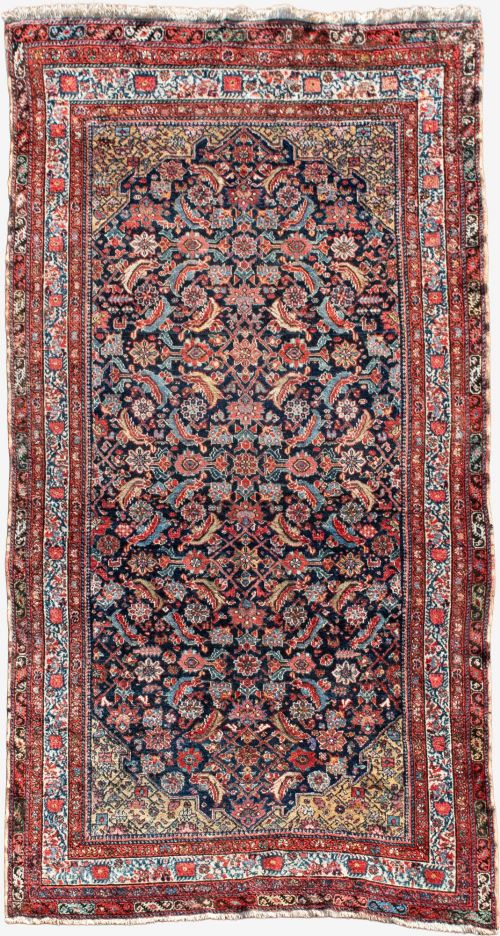
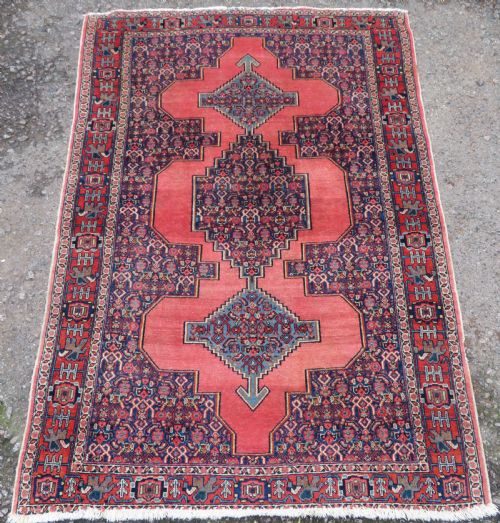
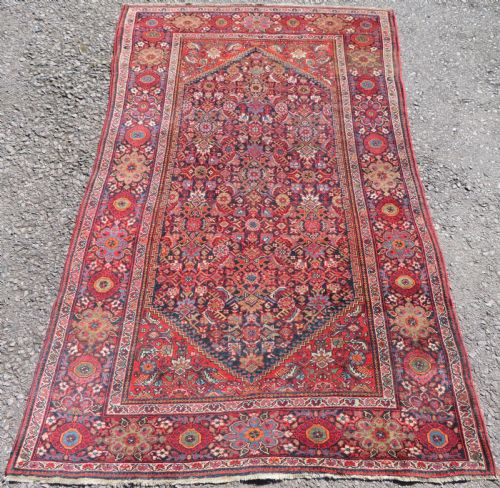
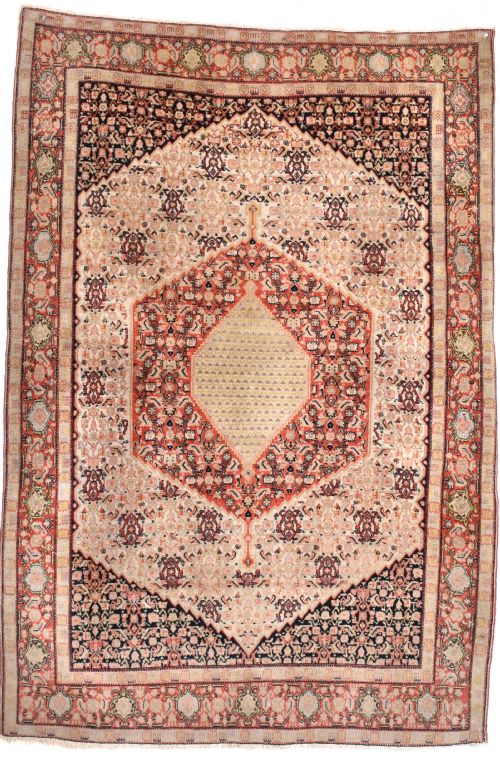
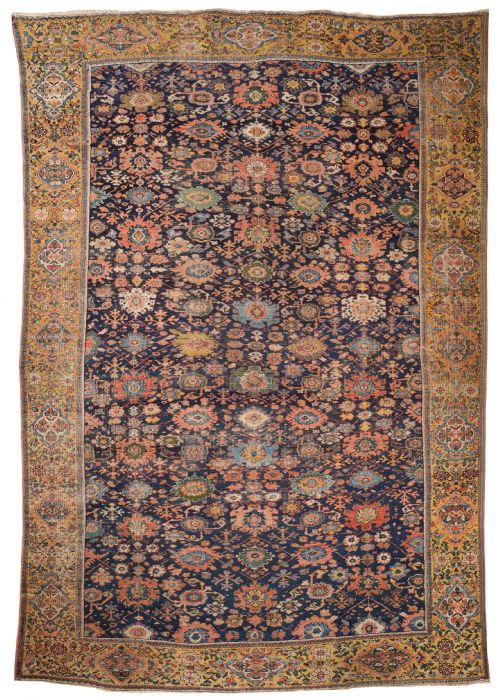
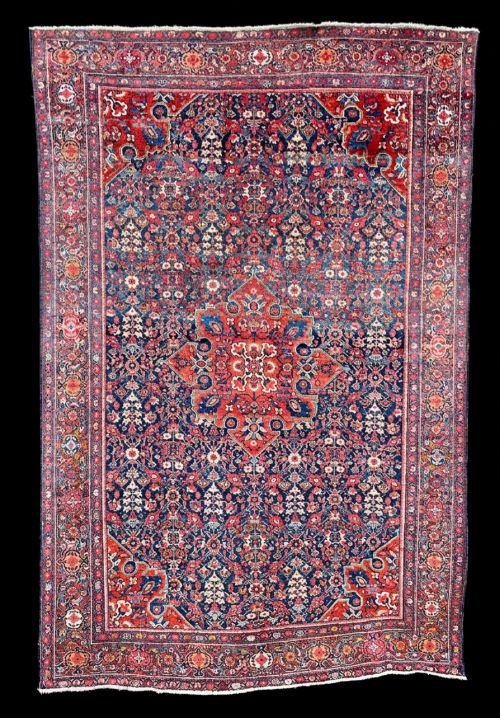
When searching for a persian herati carpet, collectors encounter room-sized carpets, long runners, and smaller village rugs woven across various Persian regions. The pieces available span from eighteen seventy through to nineteen thirty, capturing decades of traditional craftsmanship.
Most examples originate from specific weaving centres and tribal areas such as Malayer, Fereghan, Bidjar, Senneh, and Afshar. Buyers frequently meet formats labelled as kelleh, gallery carpets, and village rugs carrying the distinctive all-over lattice pattern.
The phrase encompasses both finely knotted town pieces and robust tribal productions. Each specimen reflects the aesthetic preferences and regional materials of its specific origin.
Materials and construction
The tangible foundation of these textiles relies upon durable wool and cotton foundations. Weavers utilised wool for the dense pile and employed cotton for structural warps and wefts.
Traditional dyeing methods and hand-knotting techniques governed the creation of each rug. Artisans constructed these floor coverings within village and regional workshops using time-honoured Persian methods.
Persian Herati Carpet Retail Price Guide 2026
Typical asking prices for persian herati carpet among the pieces listed under this phrase on Sellingantiques today, from the lower quarter to the upper quarter. They describe what is for sale here now, not the wider market.
Listings feature pieces spanning from eighteen seventy to nineteen thirty, utilising wool and cotton across diverse styles including Malayer, Fereghan, Bidjar, and Senneh.
Separating the grades
Knot density and structural fineness dictate the distinction between standard village output and superior town workshop productions. Tighter knotting allows for crisper definition within the intricate floral and lattice motifs.
The handle and weight of the textile reveal much about its origin and standard of manufacture. Finer pieces demonstrate supple handling paired with resilient wool pile, whereas heavier tribal formats offer robust structural durability.
Malayer village weavers·Kurdish tribes of Bidjar·Senneh town weavers·Afshar tribal groups
The Persian Herati Carpet Glossary
- Herati
- A repeating pattern composed of a central rosette enclosed by a diamond lattice and flanked by curved leaves. This design appears frequently across traditional Persian carpets and village rugs.
- Kelleh
- A distinctive rectangular format proportioned longer than a standard area rug but shorter than a full gallery runner. These pieces traditionally occupy specific floor spaces in Persian homes.
- Kilim
- A flat-woven carpet produced without a pile. These textiles rely on interlocking weft threads to create geometric and graphic designs.
- Warp
- The vertical threads stretched upon the loom that provide the foundational structure of the rug. Cotton typically serves this purpose in these Persian pieces.
- Weft
- The horizontal threads passed between warp threads to secure the rows of knots. They bind the structure together across the width of the textile.
Persian Herati Carpet: Frequently Asked Questions
What is a herati design?
The herati pattern is an ancient repeating motif featuring a central flower surrounded by leaves within a lozenge lattice. It serves as one of the most recognizable ornamentation styles in Persian weaving.
This design appears across multiple regional styles, connecting rugs from various villages and workshops under a unified decorative vocabulary.
How do I care for an antique rug?
Regular gentle vacuuming without a beater bar removes trapped dust from the wool pile safely. Professional cleaning tailored to antique textiles preserves the natural lanolin in the wool.
Positioning the rug out of direct sunlight prevents uneven fading of the natural dyes over time.
Where were these rugs made?
These carpets originate from diverse districts across Persia, including northern, western, and southern regions. Specific towns and tribal confederations each developed distinct colour palettes and weaving signatures.
Production centres such as Malayer, Bidjar, and Senneh each contributed unique regional characteristics to the broader tradition.
What materials are used?
Traditional Persian rugs utilise wool for the soft, durable surface pile. Cotton typically forms the sturdy foundation of warp and weft threads supporting the structure.
Natural dyestuffs derived from plants and minerals provided the rich colour spectrum found in nineteenth and early twentieth century examples.