



Period Wooden Sofa
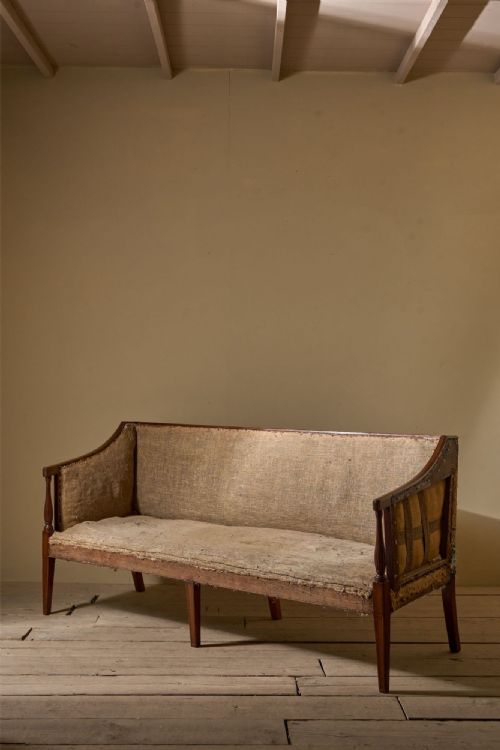
When you search for a period wooden sofa, you are looking at substantial timber frames built to seat several people in past centuries.
Period Wooden Sofa
A period wooden sofa encompasses framed seating designed from the eighteenth century into the twentieth century, constructed primarily in mahogany, walnut, and pine. You will frequently encounter forms bearing Regency, George III, and Sheraton influences alongside French and Swedish painted or giltwood examples.
The selections span grand carved settees with exposed timber frames and occasional variants that blend utility with formal reception room design. Walnut and mahogany dominate the offerings, often complemented by satinwood inlay or brass fittings.
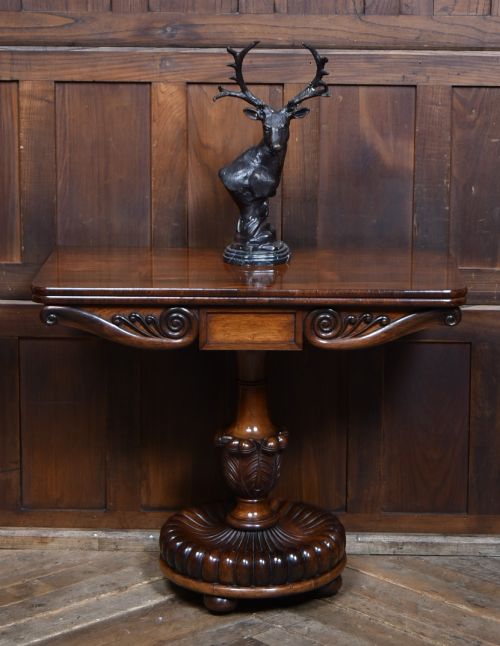
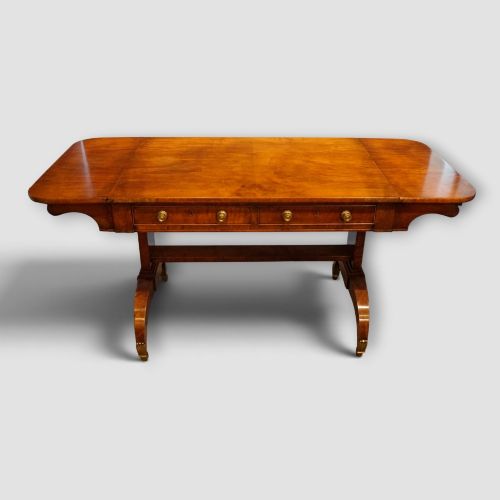
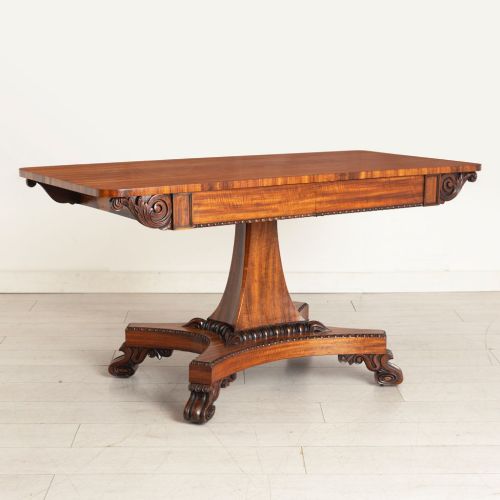
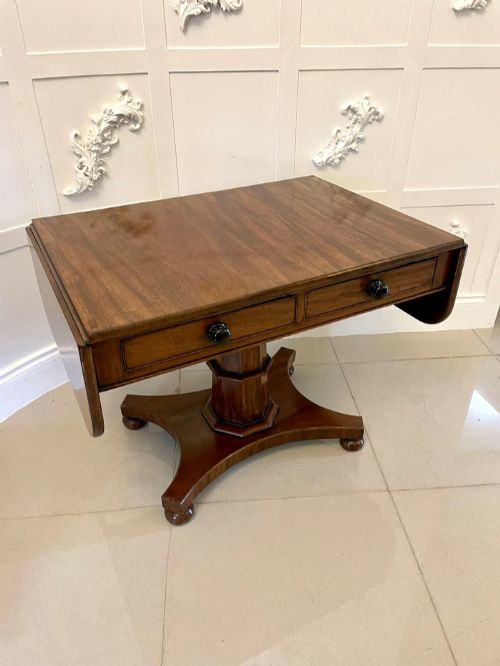
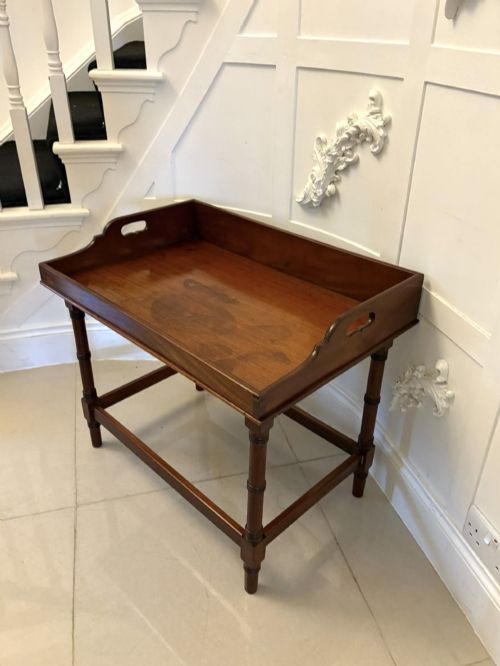
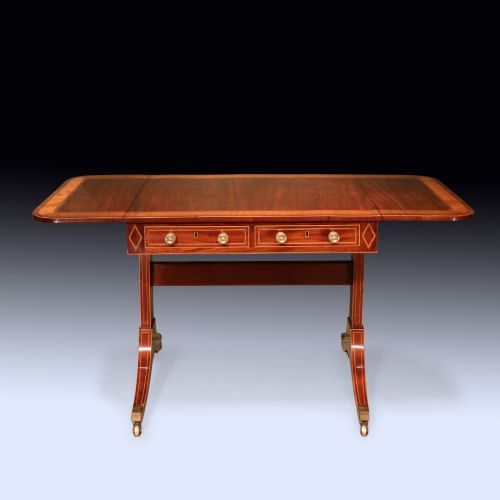
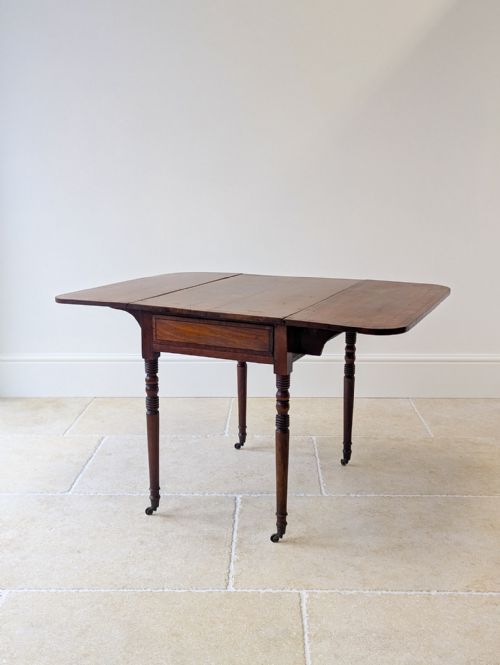
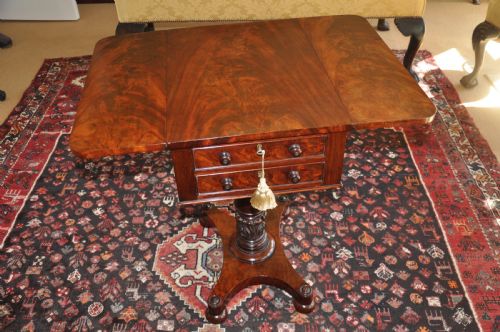
Makers and workshops across Britain, France, Sweden, and China contributed to the forms seen here, ranging from deep-seated bench settees to multi-back frameworks. The category also includes drop-flap and pembroke tables, reflecting nineteenth-century cataloguing variations.
How they were made
Cabinetmakers utilised solid timbers such as mahogany and walnut for the structural framework, employing tenon joints and hand-carving to shape arms and legs. Surfaces were finished with polish or paint depending on regional workshops, utilising satinwood for contrasting stringing.
Upholstered sections relied on foundational materials like hessian and fabric, stretched over internal webbing and secured by hand. Brass castors and mounts frequently finished the feet of nineteenth-century pieces, providing mobility for heavy timber frames.
Period Wooden Sofa Retail Price Guide 2026
Typical asking prices for period wooden sofa among the pieces listed under this phrase on Sellingantiques today, from the lower quarter to the upper quarter. They describe what is for sale here now, not the wider market.
Listings feature items spanning the eighteenth, nineteenth, and early twentieth centuries, constructed from mahogany, walnut, pine, and tropical hardwoods.
What varies in quality
The standard of a wooden sofa rests on the crispness of the hand-carving and the selection of figured timber for prominent surfaces. Grain alignment across structural rails demonstrates the maker's intent and the piece's original cost.
Proportion and structural integrity differentiate basic utility seating from high-style library or drawing room pieces. Refined frames maintain balance through careful joinery, while timber selection shifts from utilitarian pine to select mahogany and walnut.
The Period Wooden Sofa Glossary
- Pembroke table
- A small occasional table with hinged drop flaps on either side, supported by pivoting brackets. These tables originated in the eighteenth century for breakfast or light writing use.
- Console table
- A wall-mounted or freestanding table designed to stand against a flat surface, often featuring elaborate carved legs and a marble or wooden top.
- Settee
- A medium-length upholstered wooden seat with a back and arms, designed to accommodate two or more people. They bridge the gap between heavy armchairs and full sofas.
- Satinwood
- A durable, hard timber yielding a lustrous golden-yellow grain, utilised extensively for inlay and banding on eighteenth and nineteenth-century furniture.
- Hessian
- A coarse woven fabric typically manufactured from jute fibres, utilised historically as a sturdy foundation beneath top upholstery fabrics.
Period Wooden Sofa: Frequently Asked Questions
How do I clean a wooden sofa frame?
Dust timber surfaces regularly with a soft, dry cloth to prevent accumulation in carved details. Avoid modern silicone polishes that build up over time and dull the original finish.
For upholstered sections, gentle vacuuming using a low-suction attachment preserves the fabric and underlying hessian support. Professional cleaning is recommended for antique textiles to prevent shrinkage or dye transfer.
Are these sofas comfortable for daily use?
Period wooden sofas feature firmer, hand-tied interior stuffing compared to modern foam cushions. They were built for upright posture during formal reception periods rather than lounging.
While perfectly suitable for regular sitting, users accustomed to deep modern padding will find them notably supportive. The comfort level depends largely on the historical padding materials preserved within.
How do I identify a George III sofa?
George III pieces typically display classic proportions, straight or cabriole legs, and dense mahogany construction. Look for restrained carving, such as acanthus leaves or fluting on the arm supports.
These frames often reflect neoclassical or Chippendale design influences popular during the late eighteenth century. Exact dating relies on joinery techniques and timber patination rather than maker labels.
Where should I place a wooden sofa at home?
Position your sofa away from direct sunlight and heat sources to prevent the timber from drying out and splitting. Maintaining stable indoor humidity protects both the exposed wood and the internal fabric.
Freestanding models with finished backs look striking placed away from walls in larger rooms. Ensure the floor is level so the frame bears weight evenly across all legs.