




Period Wooden Mirror
A period wooden mirror brings warmth and depth to a room, offering craftsmanship and materials that mass-produced pieces simply cannot replicate.
Period Wooden Mirror
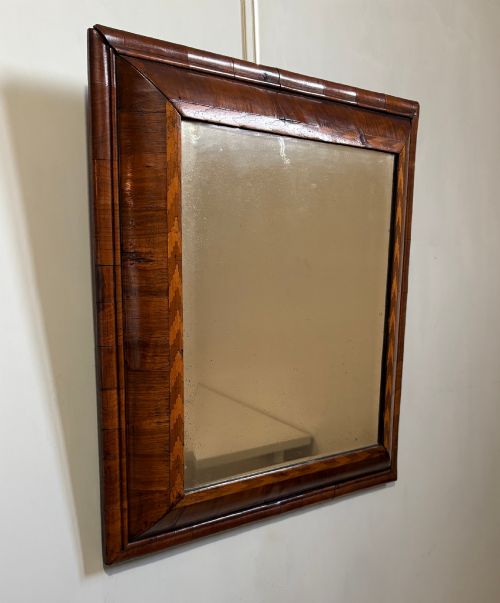
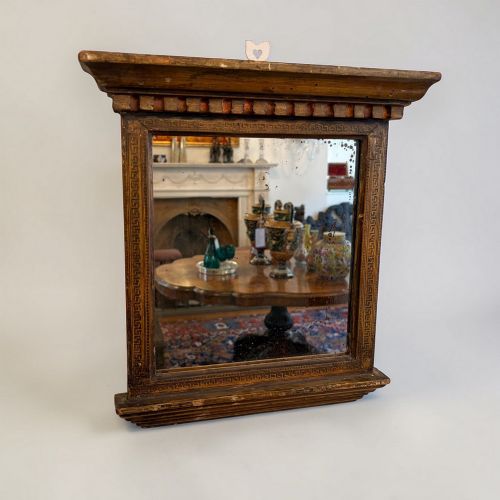
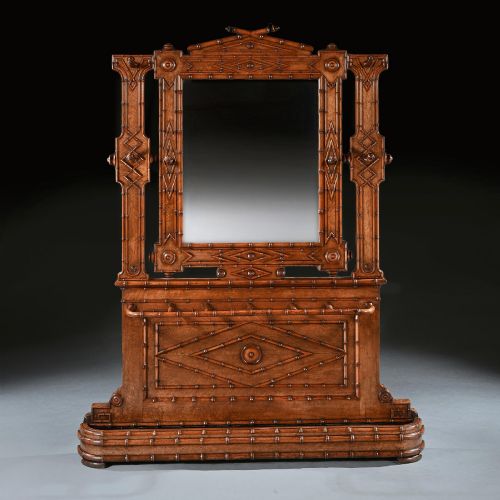
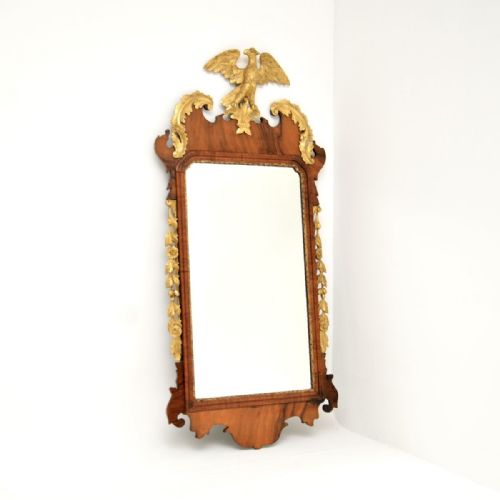
A period wooden mirror encompasses wall-hung plates, overmantel centrepieces, and toilet glasses produced during the Georgian, Regency, Victorian, and Edwardian eras. Buyers searching for a period wooden mirror encounter frames shaped from mahogany, walnut, rosewood, and giltwood, often retaining their original foxed mirror glass and backboards.
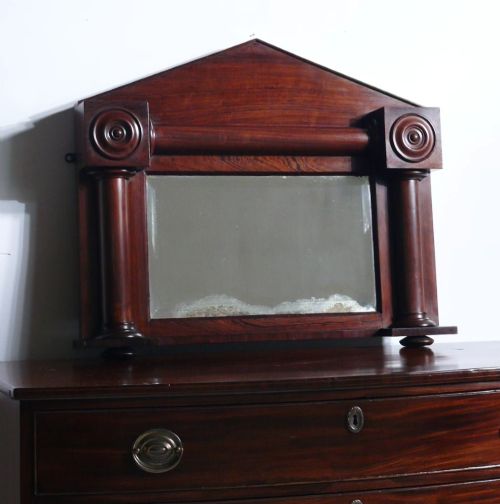
The most common examples on this page are mahogany and walnut wall mirrors and overmantels originating from the eighteenth and nineteenth centuries. These range from small fretwork toilet glasses designed for dressing tables to large architectural overmantel mirrors intended for grand drawing rooms.
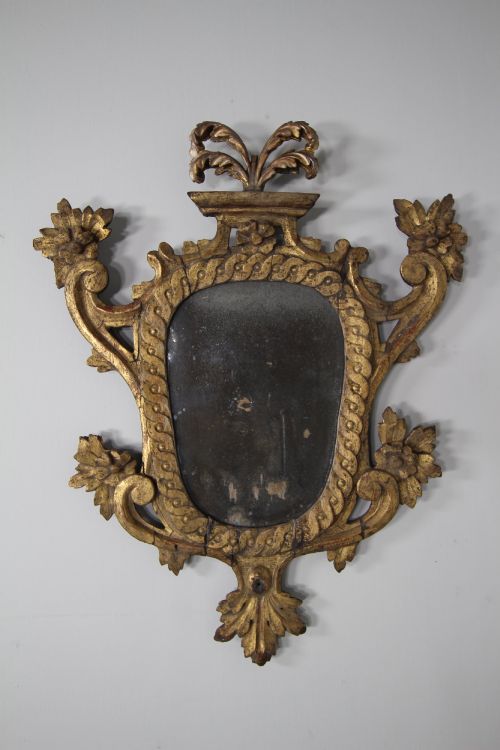
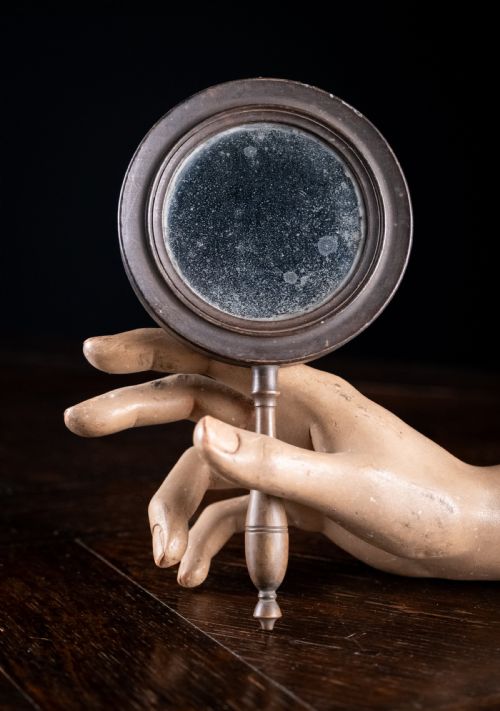
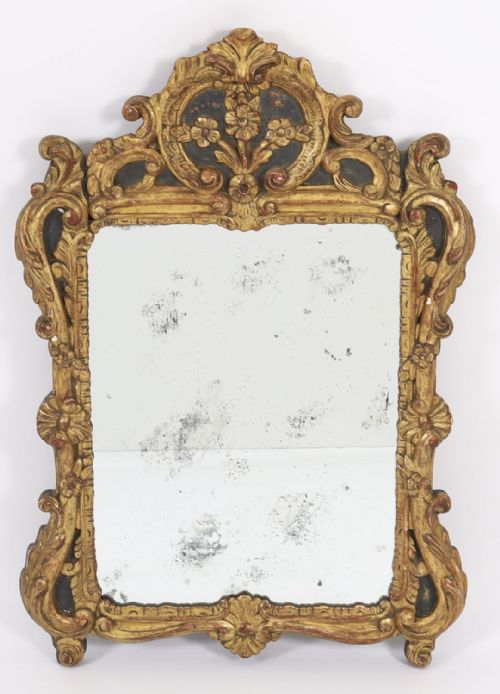
Alongside standard wall and dressing mirrors, the selection includes smaller hand-held double-sided Regency pieces and occasional larger frames incorporating parcel gilding, gesso, or ebonised details. Each survivor reflects the domestic interior fashions of its specific decade, from austere Georgian lines to ornate Victorian carvings.
How they were made
Timbers such as mahogany, walnut, and rosewood formed the structural foundation of these frames, often shaped with hand-cut dovetails and pegged joints. Cabinetmakers selected dense hardwoods that allowed for crisp carving along the sight edges and outer mouldings.
Surfaces were frequently finished with hand-applied French polish, lacquered Chinoiserie decoration, or parcel gilding laid over gesso grounds. Mirror plates were traditionally silvered using mercury or tin-amalgam techniques before the widespread adoption of modern chemical silvering, accounting for the characteristic unevenness and foxing seen in older plates.
Listings feature mahogany, walnut, rosewood, and giltwood frames spanning the eighteenth, nineteenth, and early twentieth centuries.
What varies in quality
Quality rests primarily in the crispness of the timber carving and the integrity of the original construction. Finer frames display deeply undercut mouldings and carefully matched wood veneers, whereas simpler iterations rely on applied composition ornament or flat sawn boards.
The survival of original elements, including antique mirror plates with authentic foxing, backboards, and mounting brackets, distinguishes superior examples from those subjected to later alterations or complete glass replacement.
The Period Wooden Mirror Glossary
- Parcel Gilt
- Partially gilded woodwork where gold leaf highlights specific carved details against a contrasting wood or painted background.
- Gesso
- A plaster-like mixture applied to wooden frames as a smooth base for subsequent gilding and decorative carving.
- Foxing
- Age-related spots and discolouration within the silvering of antique mirror glass caused by oxidation over centuries.
- Overmantel Mirror
- A large mirror specifically designed to hang on the wall directly above a fireplace mantelpiece.
- Toilet Mirror
- A smaller dressing table mirror mounted on a pivoting frame between two upright supports, popular in Georgian and Regency bedchambers.
Period Wooden Mirror: Frequently Asked Questions
How do I date a wooden mirror?
Dating relies on examining the timber species, construction methods, and the characteristics of the glass plate. Secondary woods on the backboards and hand-cut fixings often provide the clearest chronological clues.
Stylistic markers, such as eighteenth-century fretwork scrolls or Regency ebonised details, align the piece with documented periods of furniture design.
Are these mirror plates original?
Many surviving frames retain their original glass, identifiable by wavy distortions and natural foxing. However, fragile plates frequently required replacement over the centuries.
Inspect the back of the frame to see if the retaining wedges or glazier points appear undisturbed and contemporary with the woodwork.
How should I hang a heavy antique mirror?
Due to the substantial weight of dense hardwoods and thick glass, secure wall fixings into structural studs or masonry are essential. Professional mirror hangers utilise heavy-duty D-rings and steel wire rated well above the weight of the frame.
Ensure the hanging height allows the frame to rest securely while distributing the load evenly across the wall brackets.
Can I place an overmantel mirror on a sideboard?
Overmantel mirrors were originally proportioned to sit above fireplaces, but many function effectively when rested upon wide sideboards or low side cabinets. Their generous scale requires a sturdy surface and adequate wall anchoring to prevent tipping.
Balancing the width of the mirror against the furniture below ensures a harmonious visual arrangement in a room.