
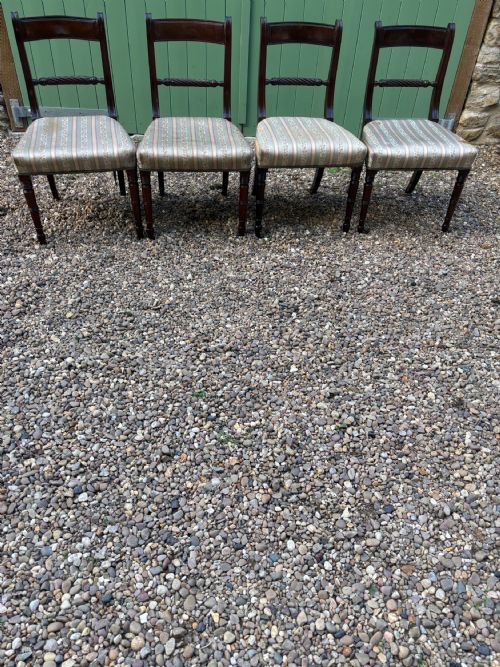
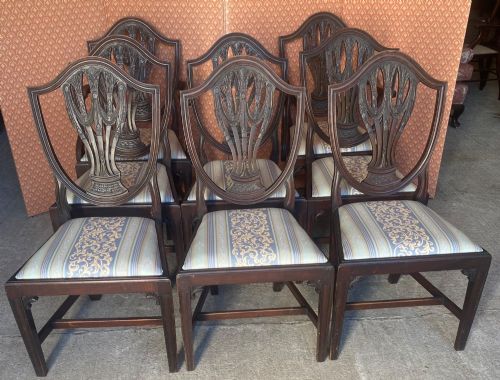
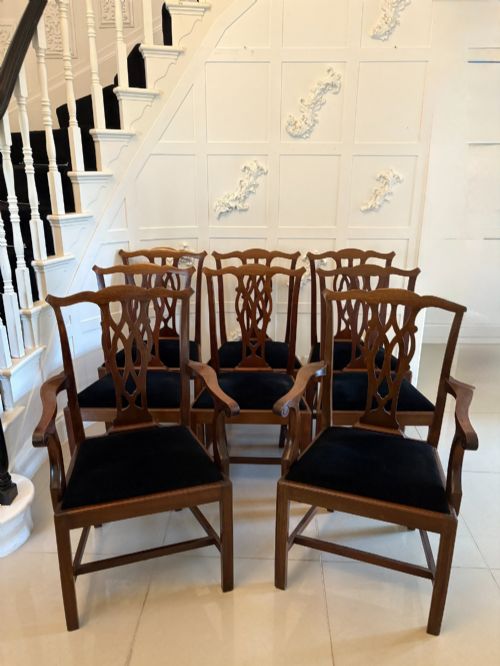
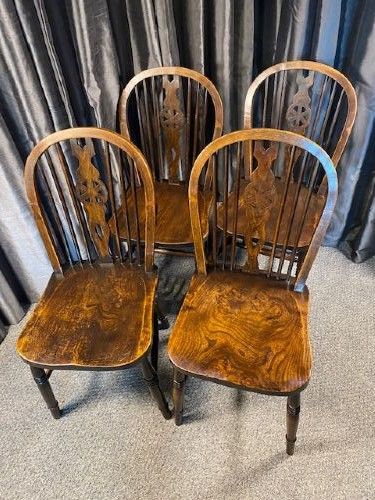
Period Wooden Chairs
Period wooden chairs span centuries of domestic design, offering solid timber frames, time-worn patination and enduring practicality for everyday dining or study.
Period Wooden Chairs
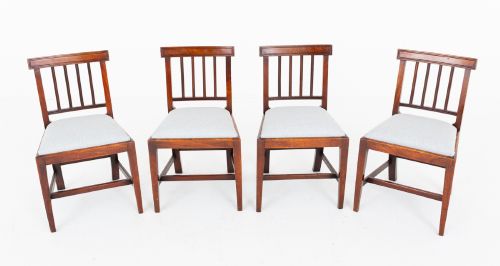
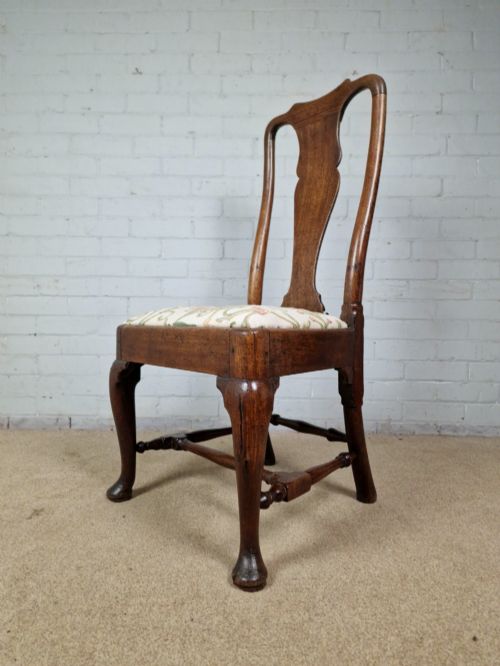
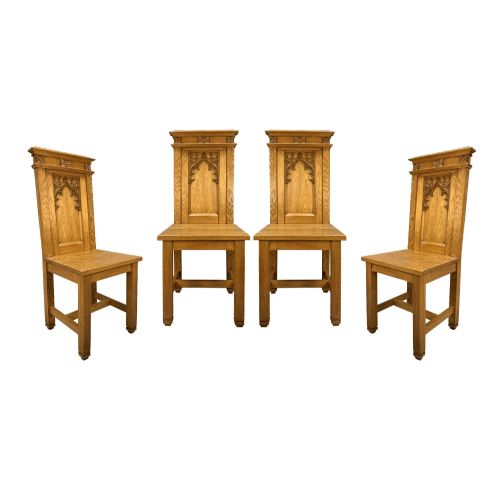
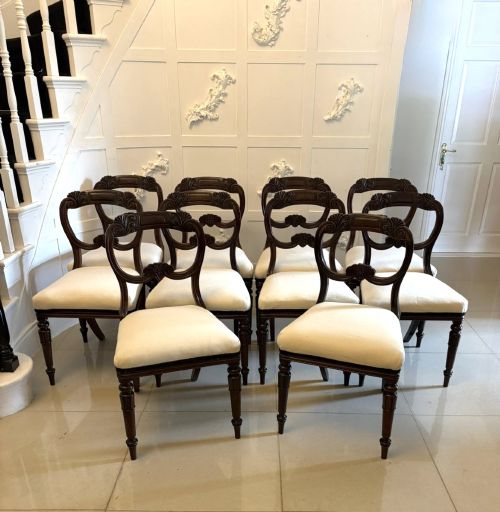
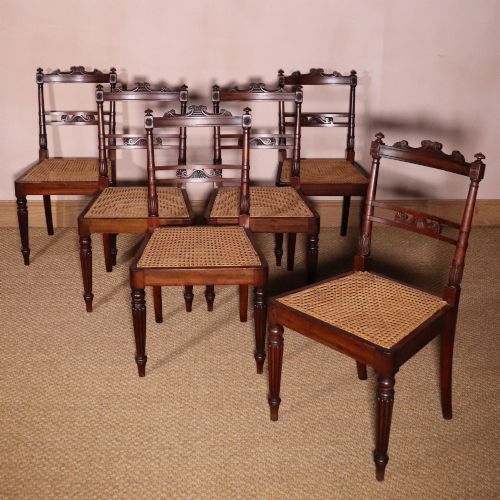
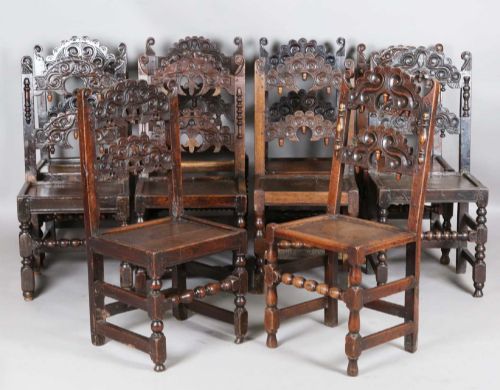
Period wooden chairs comprise practical seating forms such as dining chairs, armchairs, side chairs, hall chairs, and robust kitchen windsors designed across historic eras. Buyers searching for period wooden chairs typically encounter sturdy timber frames shaped by regional craft traditions and shifting aesthetic movements.
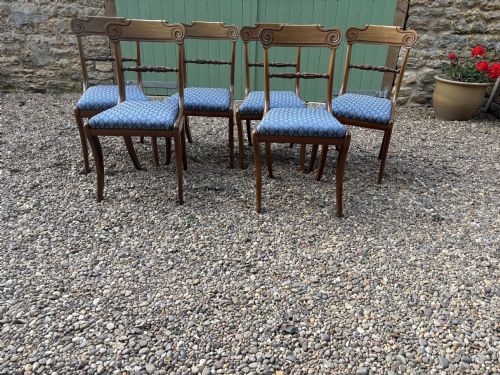
The selections span distinct historical eras ranging from the seventeenth century through the Georgian and Regency periods up to the early twentieth century. Common formats include matched sets for dining tables, single carvers, and high-backed country designs.
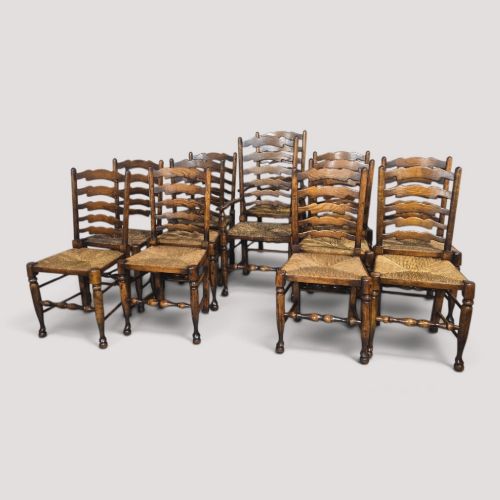
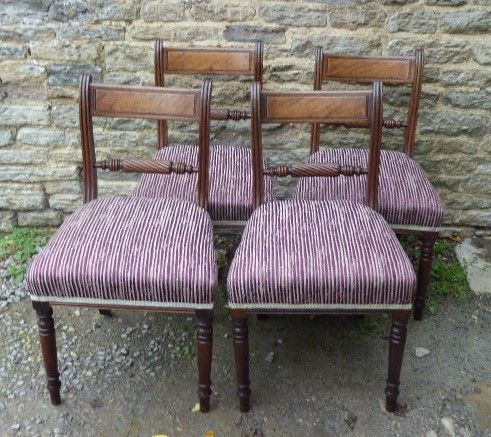
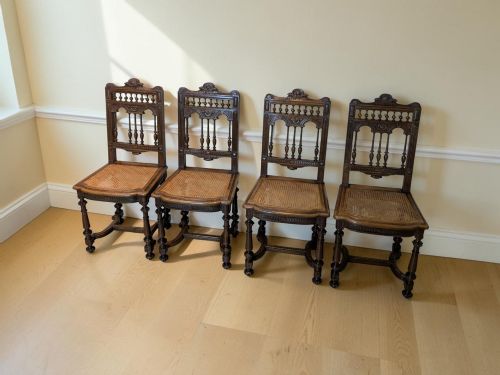
Makers utilised native and imported hardwoods to construct pieces tailored for formal parlours, country kitchens, and grand halls alike. Each style reflects the domestic requirements of its original period, from simple ladder-backs to carved mahogany frames.
Materials and Techniques
Carpenters and joiners built these seats using robust hardwoods such as mahogany, oak, elm, ash, yew, birch, and fruitwood. Timber selection depended on regional availability and the structural demands of legs, stretchers, and curved splats.
Construction techniques relied on traditional joinery including mortise and tenon joints, turned spindles, and steam-bending for components like Windsor bows. Upholstered variants incorporated webbing, horsehair stuffing, and covers made from fabric, velvet, or textile.
Surfaces received hand-applied finishes such as wax or polish to protect the timber while developing a deep natural patina over decades of use.
Listings feature dining chairs, armchairs, and hall chairs fashioned from mahogany, oak, elm, ash, and birch across several centuries.
Assessing Quality and Construction
Quality rests in the integrity of the timber selection, the tightness of historical joinery, and the crispness of carved details like pierced splats or reeded legs. Heavier hardwood density and intact original components elevate a piece above standard utility items.
The survival of matched sets rather than single survivors influences how well a group holds together around a dining table. Subtle proportions, balanced framing, and restrained decorative carving indicate superior cabinet-making standards from workshops of the past.
Maple and Co
The Period Wooden Chairs Glossary
- Carver
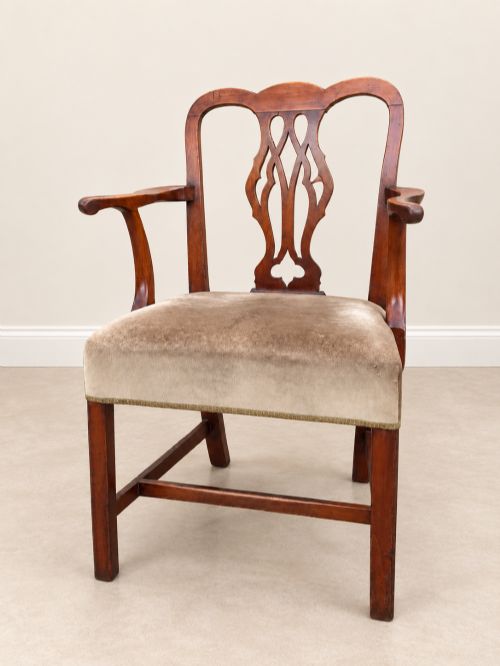
- An armchair, traditionally placed at the head of a dining table or used as a desk seat, featuring supportive armrests.
- Splat
- The vertical wooden strip down the centre of a chair back, often pierced or carved into distinctive shapes such as vases or ladders.
- Windsor
- A traditional chair construction method where legs and back spindles are wedged directly into a solid sculpted wooden seat.
- Wainsctot
- An early heavy armchair constructed primarily of solid oak with panelled backrests, common in seventeenth-century interiors.
- Stretcher
- Horizontal wooden rails connecting the legs of a chair to provide structural rigidity and stability.
Period Wooden Chairs: Frequently Asked Questions
How do I care for antique timber chairs?
Maintain stable indoor humidity levels and apply traditional beeswax periodically to nourish the dry wood grain. Avoid placing antique seating near direct heat sources or in strong sunlight.
Check joint stability regularly and lift chairs by their seat rails rather than their top rails or arms to prevent structural strain.
Are these chairs suitable for daily use?
Solid hardwood frames built with traditional joinery remain robust and fully functional for modern dining and everyday seating. Periodic checks on leg stability ensure safe daily use.
Many historical formats were engineered specifically for sustained heavy domestic tasks in kitchens, offices, and dining rooms.
How can I identify the period of a wooden chair?
Examine the timber species, joinery methods, and characteristic design motifs such as carved splats, cabriole legs, or reeding. Construction marks and tool traces often point towards specific manufacturing eras.
Comparing proportions and decorative details against documented examples helps confirm whether a piece belongs to the Georgian, Regency, or earlier centuries.
What is the difference between a side chair and a carver?
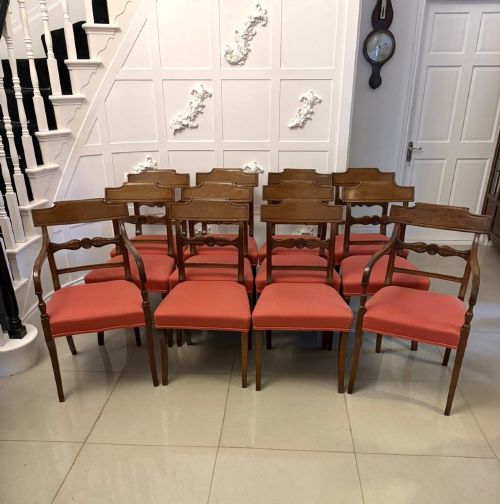
Side chairs lack armrests, making them compact enough to line up closely alongside dining tables or stand against hallway walls. Carvers feature integrated armrests designed for additional comfort at table ends or desks.
Historically, dining sets often combined a matched group of side chairs with a pair of matching armchairs for the hosts.