





Period Wooden Caddy
A period wooden caddy is a small, finely crafted box designed for storing precious tea, holding character and craftsmanship from centuries past.
Period Wooden Caddy
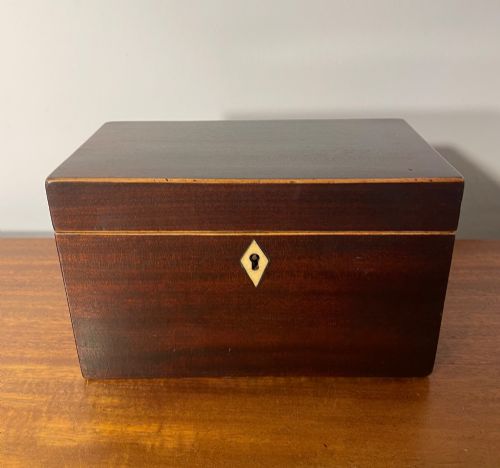
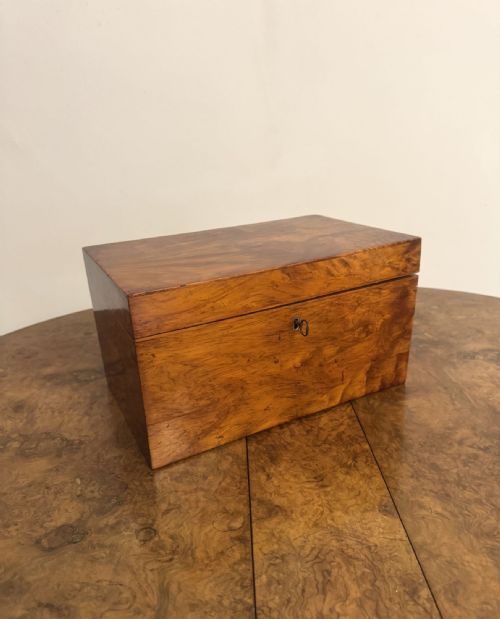
When searching for a period wooden caddy, collectors encounter a variety of containers created to safeguard leaf tea when it was a costly commodity. The most common forms on this page include tea caddies, teapoys, and decorative boxes spanning the Georgian, Regency, and Victorian eras. These containers often feature fitted interiors and compartments designed to preserve dry leaves.
The assortment extends beyond standard tea storage to include related domestic pieces like canterburys, wine coolers, and games boxes. These items originate from the eighteenth and nineteenth centuries, reflecting the changing social habits of households during the Georgian and Regency periods. Each piece demonstrates the domestic utility and decorative ambition of its time.
How they were made
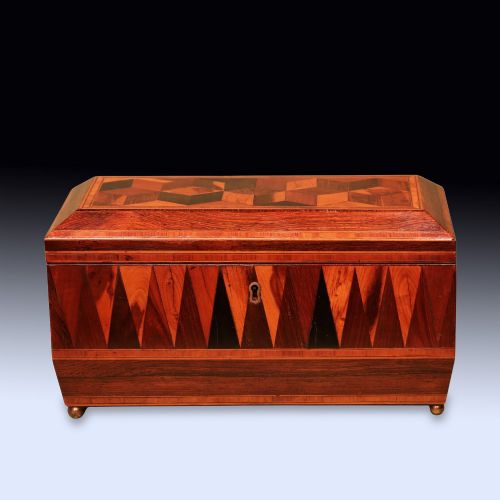
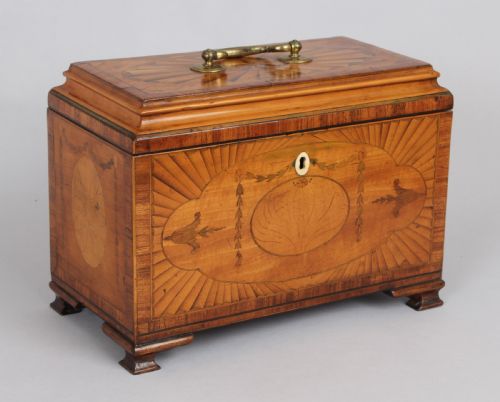
Cabinetmakers constructed these pieces using dense hardwoods such as mahogany, rosewood, walnut, and satinwood, frequently enhanced by decorative veneers like calamander, burr thorn wood, and birdseye maple. Artisans applied sophisticated techniques including brass inlay, parquetry, marquetry, and delicate penwork to ornament the surfaces. Bone, mother-of-pearl, and tortoiseshell appear as secondary materials used for escutcheons, feet, and intricate inlay details.
Internal elements often include lidded canisters, glass mixing bowls, and velvet or silk linings preserved from the period of manufacture. Construction methods relied on precise joinery to ensure the stability of timber boxes subject to fluctuations in household temperature. Brass mounts, handles, and lock mechanisms were cast and fitted by hand to complete each container.
Period Wooden Caddy Retail Price Guide 2026
Typical asking prices for period wooden caddy among the pieces listed under this phrase on Sellingantiques today, from the lower quarter to the upper quarter. They describe what is for sale here now, not the wider market.
What varies in quality
The standard of a piece rests upon the choice of timber figure and the precision of its decorative embellishments. Items featuring intricate penwork, elaborate brass stringing, or complex marquetry demonstrate a higher level of workshop skill than plain panelled examples. The survival of original internal fittings, such as mixing bowls and matching canisters, significantly influences the integrity of a survival.
Proportion and architectural form also distinguish finer examples, particularly in sarcophagus-shaped cellarettes and larger tea-poys. The crispness of carved mouldings and the harmonious grain matching across lid and sides indicate the original maker's expertise. Minor alterations or replaced feet alter the standing of a box within the broader range.
The Period Wooden Caddy Glossary
- Tea caddy
- A small box or chest designed to hold loose tea leaves. They frequently contained internal lidded compartments to separate different varieties of tea.
- Teapoy
- A freestanding piece of furniture resembling a table with a box top on a central pillar or legs. These served to hold tea canisters and mixing equipment.
- Penwork
- A decorative technique using ink applied to wood surfaces to create intricate pictorial or geometric designs. This method was particularly popular during the Regency period.
- Marquetry
- The art of applying pieces of veneer to a structure to form decorative patterns and pictures. Craftsmen utilised contrasting woods to achieve tonal depth.
- Canterbury
- A low wooden stand with partitions used for holding sheet music or magazines. Georgian and Victorian examples typically feature slatted sides and a small drawer below.
Period Wooden Caddy: Frequently Asked Questions
What is a teapoy?
A teapoy is a lidded container on a pedestal base or legs used in drawing rooms during the Georgian and Regency eras. It allowed hostesses to mix and serve tea without moving to a separate table.
These pieces often contain fitted interior compartments and mixing bowls. They combine furniture design with the function of a traditional tea caddy.
How were tea caddies used?
Tea caddies were kept locked in the parlour or dining room because tea was an expensive commodity in the eighteenth and nineteenth centuries. The mistress of the house retained the key to portion out the leaves.
Inside, twin compartments kept black and green teas separate. A central recess often held a glass bowl used for blending the leaves to the drinker's taste.
How do I date a wooden box?
Dating relies on observing timber choices, construction methods, and decorative styles characteristic of periods like Chippendale, George III, Regency, or Victorian. Regency pieces frequently employ rosewood, brass inlay, and penwork.
Georgian boxes often showcase solid mahogany or satinwood with simpler joinery. Secondary woods inside the box, such as oak or pine, also help confirm the era of manufacture.
What is penwork decoration?
Penwork is a surface ornamentation technique where artisans drew fine black ink designs directly onto light-coloured woods like satinwood or maple. The motifs often included classical figures, florals, or geometric borders.
This painstaking craft flourished during the Regency period on small boxes and games tables. Surviving examples display meticulous hand-drawn detail protected by early clear varnishes.