

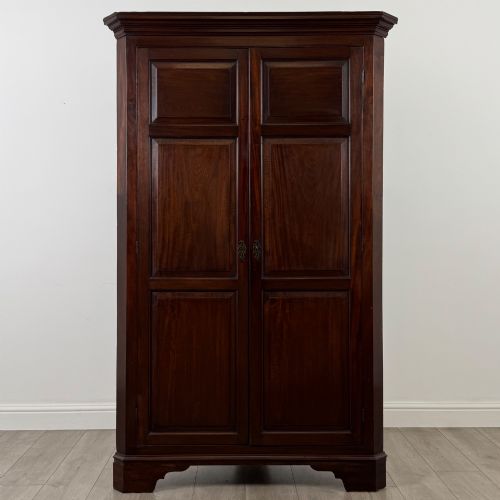
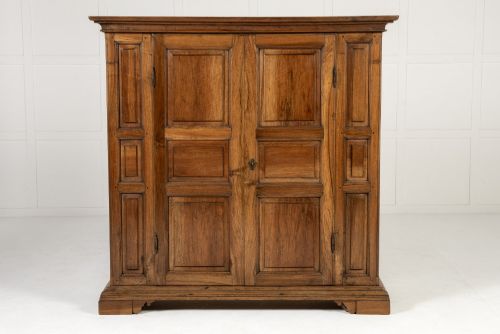


Period Wooden Armoire
A period wooden armoire provides generous storage while anchoring a room with centuries of timber craftsmanship and rich grain.
Period Wooden Armoire
When you search for a period wooden armoire, you encounter substantial freestanding storage furniture designed to hold garments and linens. The pieces on this page span several centuries, featuring wardrobes, linen presses, and cabinets on stands.
Makers shaped these large storage items using regional traditions across Britain and continental Europe. You find domestic country house pieces alongside grander urban examples incorporating architectural cornices and fielded panels.
How they were made
Cabinet makers built these pieces using solid timbers like oak, walnut, and mahogany, often applying figured veneers such as flame mahogany or burr amboyna to primary display surfaces. These woods were chosen for stability and decorative impact.
Construction techniques relied on traditional joinery, including hand-cut dovetails for drawer boxes and framed panel doors that accommodated seasonal timber movement. Iron and brass hardware, from hinges to escutcheons, secured the heavy doors and internal trays.
Period Wooden Armoire Retail Price Guide 2026
Typical asking prices for period wooden armoire among the pieces listed under this phrase on Sellingantiques today, from the lower quarter to the upper quarter. They describe what is for sale here now, not the wider market.
Listings feature mahogany, walnut, oak, pine, and exotic veneers across seventeenth-century, eighteenth-century, and nineteenth-century periods.
What varies in quality
The distinction between standard examples and superior pieces rests on the selection of timber and the precision of the cabinet work. Finer items exhibit carefully matched veneer grains and crisply carved mouldings rather than plain surfaces.
Internal configuration also separates basic storage from masterwork examples. Pieces featuring original sliding trays, well-fitted linen presses, and intact brass locking mechanisms command greater attention from discerning collectors.
The Period Wooden Armoire Glossary
- Linen press
- A two-part cabinet with upper sliding shelves for folded textiles and lower drawers for garments. This form became essential in large country houses.
- Flame mahogany
- A timber veneer displaying a distinct flickering flame pattern created by slicing across intersecting growth rings. Cabinet makers reserved this expensive material for prominent drawer fronts and door panels.
- Cabinet on chest
- A tall storage form consisting of a smaller cabinet mounted upon a larger chest of drawers. This elevation creates a commanding vertical presence in a room.
- Escutcheon
- A protective metal plate surrounding a keyhole. These fittings prevent timber wear and often feature decorative brass engraving.
Period Wooden Armoire: Frequently Asked Questions
How do I use an armoire today?
These large wooden pieces function well as primary bedroom wardrobes or living room storage cabinets. Their deep interiors accommodate modern hanging rails and shelving units.
Ensure your room has adequate ceiling clearance and floor space before positioning such a heavy timber cabinet.
Can I fit modern hangers inside?
Many older wardrobes feature shallower depths than contemporary furniture because historical garments were folded or hung differently. You may need to install custom front-facing rails.
Check the internal depth measurements of each specific piece to confirm your clothing will hang without catching on the doors.
How do I care for antique timber?
Maintain stable room humidity to prevent the solid woods and delicate veneers from splitting or warping over time. Avoid placing these cabinets near direct heat sources.
Apply traditional beeswax periodically to nourish the surface and preserve the historic polished finish.