



Period Wood Marquetry
Period wood marquetry brings together centuries of skilled timber work, offering furniture decorated with intricate veneer patterns that catch the eye and warm a room.
Period Wood Marquetry
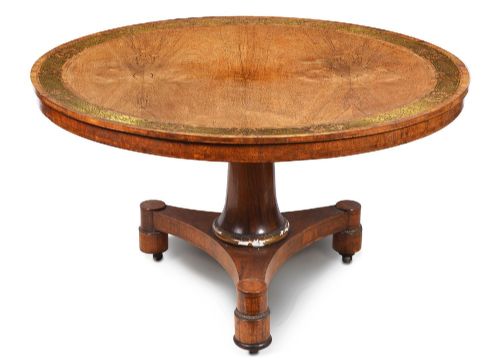
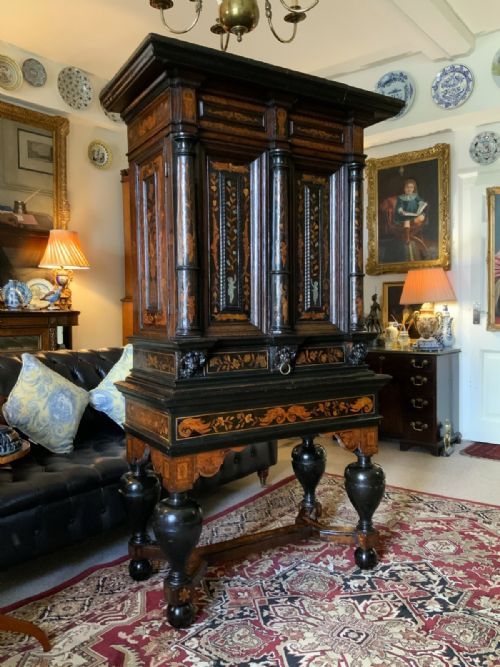
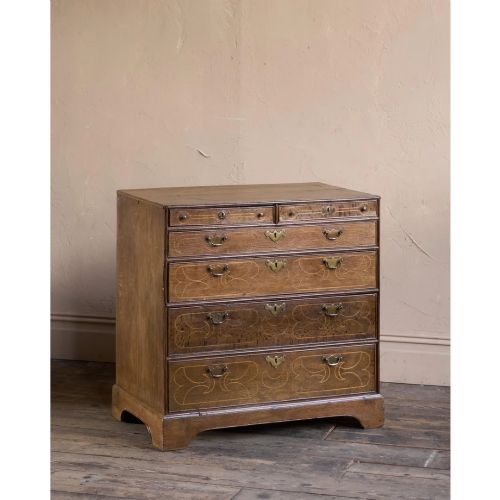
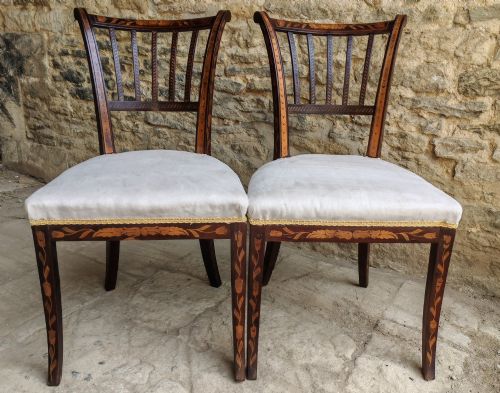
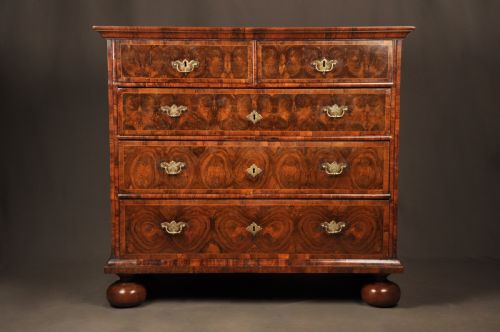
Period wood marquetry encompasses items built from the seventeenth century through to the nineteenth century, utilising diverse timber bases to display patterned veneer work. When exploring period wood marquetry, buyers encounter forms ranging from large cabinets on stands and chests of drawers down to smaller items like tea caddies and side tables.
The selection spans distinct historical eras, notably William and Mary, George III, and Regency periods. Pieces demonstrate how earlier joinery developed into refined cabinet making over successive generations.
Materials and Construction Techniques
Craftsmen applied thin slices of decorative woods onto underlying timber frames using animal glues. Walnut, mahogany, and rosewood served as primary surfaces, often enhanced with oyster veneers cut from small branches to create circular ripple patterns.
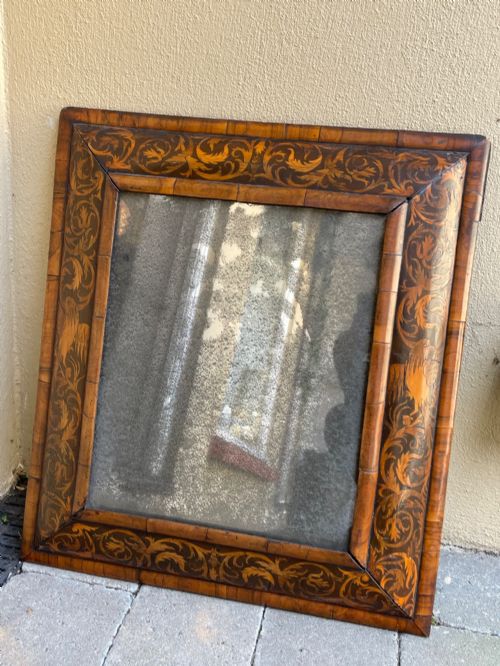
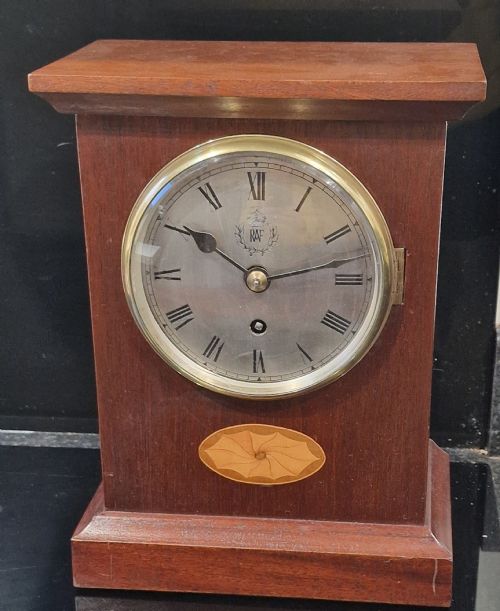
Contrasting materials such as brass, pewter, holly, and fruitwood formed intricate inlay designs. Artisans cut these elements precisely to fit flush within the timber ground before scraping and polishing the finished surfaces.
Period Wood Marquetry Retail Price Guide 2026
Typical asking prices for period wood marquetry among the pieces listed under this phrase on Sellingantiques today, from the lower quarter to the upper quarter. They describe what is for sale here now, not the wider market.
Listings feature walnut, mahogany, and rosewood combined with brass and pewter across the seventeenth, eighteenth, and nineteenth centuries.
Assessing Craftsmanship and Condition
The standard of a piece depends heavily on the precision of the veneer cutting and the tightness of the joints between contrasting timbers. Finer examples maintain crisp alignment where individual pieces of wood meet without noticeable gaps or thick filler.
Originality of surface finish and the preservation of the delicate inlay work dictate the standing of surviving items. Natural ageing of the timber and the depth of the patina acquired over centuries separate ordinary items from those of superior execution.
Seikosha Seiko
The Period Wood Marquetry Glossary
- Marquetry
- The art of applying decorative veneer pieces to a structural base to create pictorial or geometric designs. This technique transforms plain cabinet surfaces into elaborate decorative panels.
- Oyster Veneer
- Circular slices cut across small branches to display the natural concentric growth rings of the timber. This method creates a distinctive speckled pattern popular during the seventeenth century.
- Parquetry
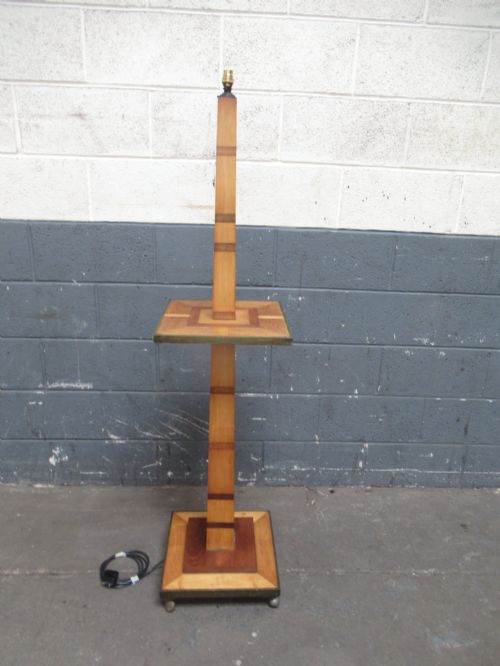
- Geometric mosaic woodwork arranged in regular patterns like cubes or chequers. It differs from marquetry by focusing on repeating symmetrical shapes rather than pictorial motifs.
- Tambour
- A flexible shutter made from narrow strips of wood glued to canvas backing, allowing roll-top desks to open smoothly. This mechanism conceals writing compartments while maintaining a continuous curved surface.
- Demi-lune
- A half-moon shape characteristic of commodes and side tables designed to stand flat against a wall. This profile became fashionable during the Georgian period for smaller reception rooms.
Period Wood Marquetry: Frequently Asked Questions
How do I care for marquetry furniture?
Keep wooden pieces away from direct heat sources and strong sunlight to prevent the timber from drying out and the delicate veneers from lifting.
Apply a traditional beeswax polish occasionally and buff gently with a soft cloth to maintain the protective shine without building up heavy residues.
Can I use a marquetry centre table daily?
These tables served practical functions originally and remain sturdy enough for normal domestic use provided you protect the surface from moisture and heavy impacts.
Use coasters and desk pads to shield the antique veneer from scratches and rings while enjoying the piece in a sitting room or hallway.
What is the difference between inlay and marquetry?
Inlay involves embedding contrasting materials into a solid wood recess, whereas marquetry assembles an entire veneer puzzle on a backing before applying it to the carcase.
Both techniques appeared frequently across seventeenth and eighteenth-century furniture to create decorative surface patterns.
How can I date a piece of wood marquetry?
Examine the secondary woods used inside drawers and carcases, as timber availability shifted significantly between the William and Mary era and the Regency period.
Stylistic clues such as leg shapes, hardware fixings, and the complexity of the veneer motifs also help narrow down the decade of manufacture.