


Period Wood Cupboard
Period wood cupboards bring centuries of craftsmanship and utility into a room, offering warm timber tones and solid construction that modern joinery rarely matches.
Period Wood Cupboard
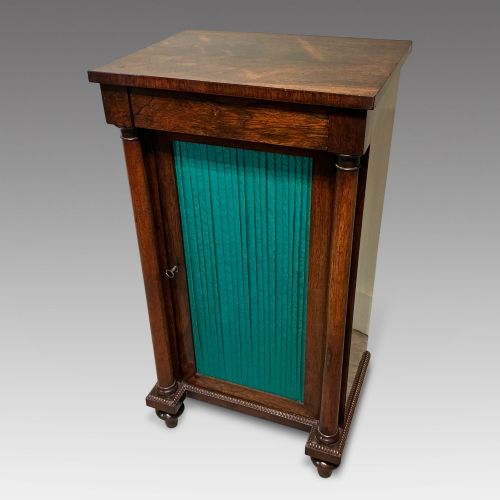
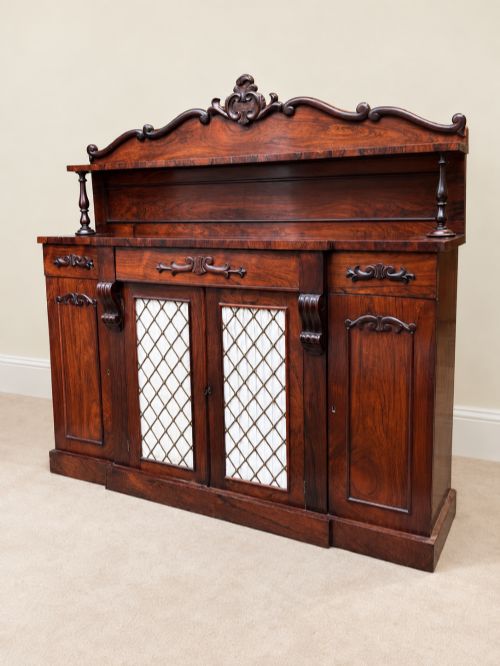
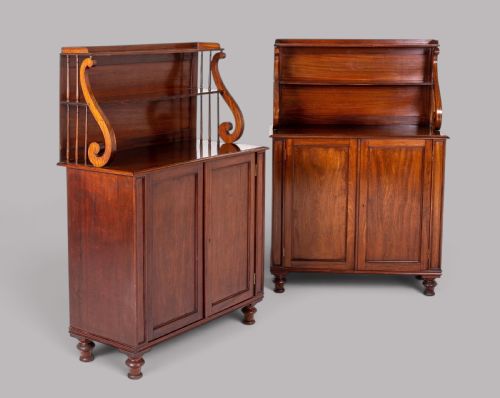
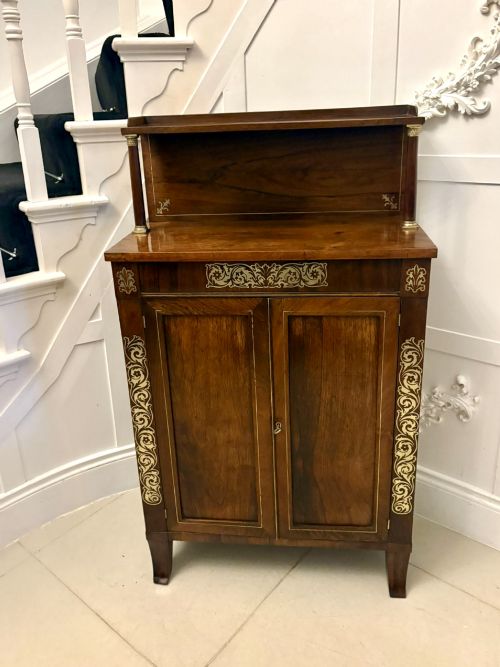
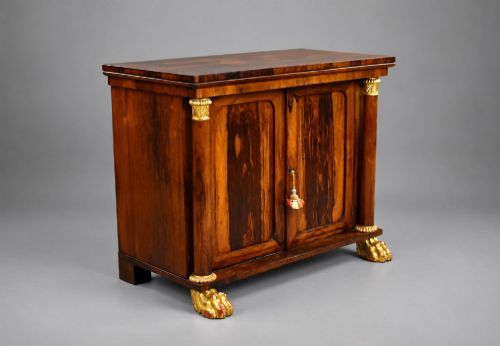
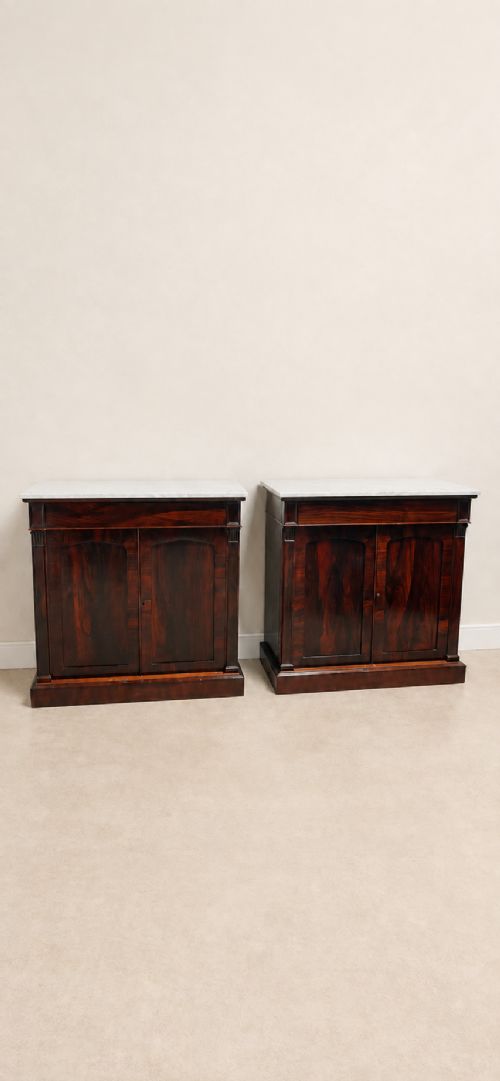
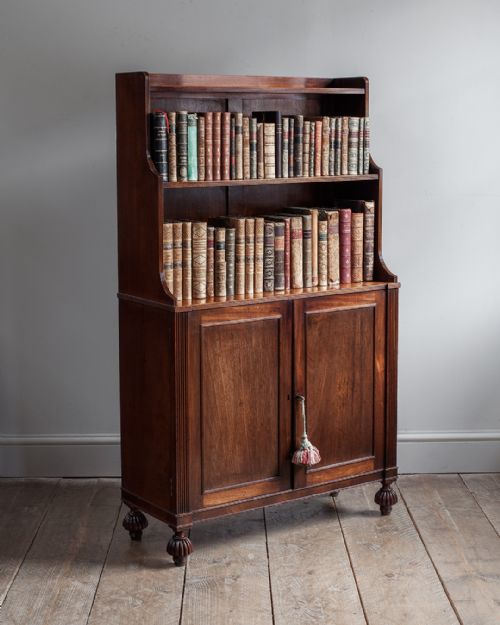
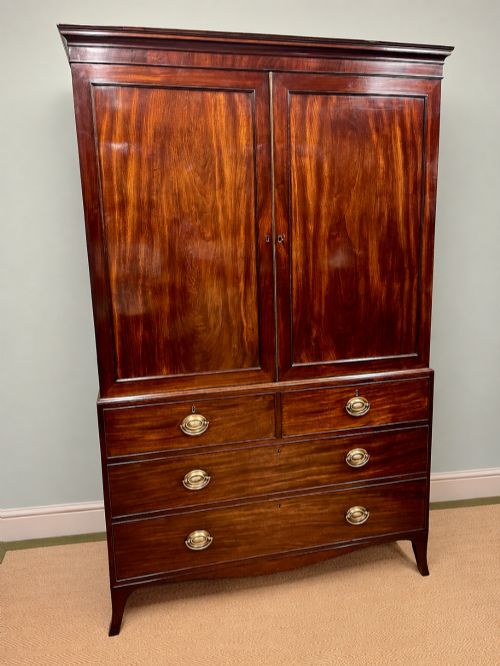
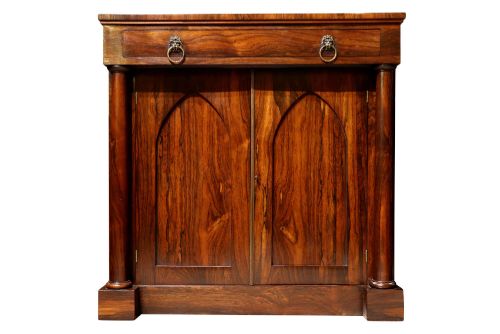
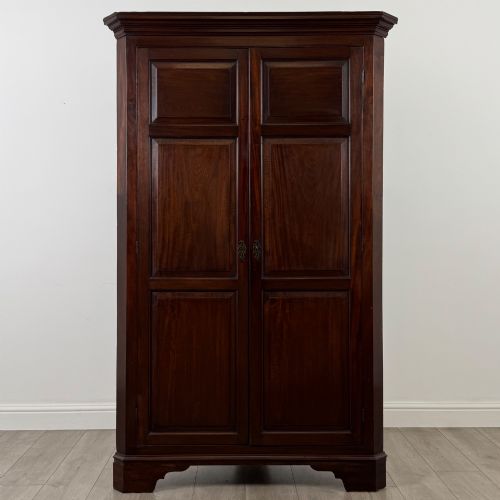
The pieces appearing on this page lean heavily toward the Regency and Georgian eras, executed predominantly in dense hardwoods such as mahogany and rosewood. These items often feature architectural detailing, panelled doors, and brass hardware reflecting the design priorities of their respective decades.
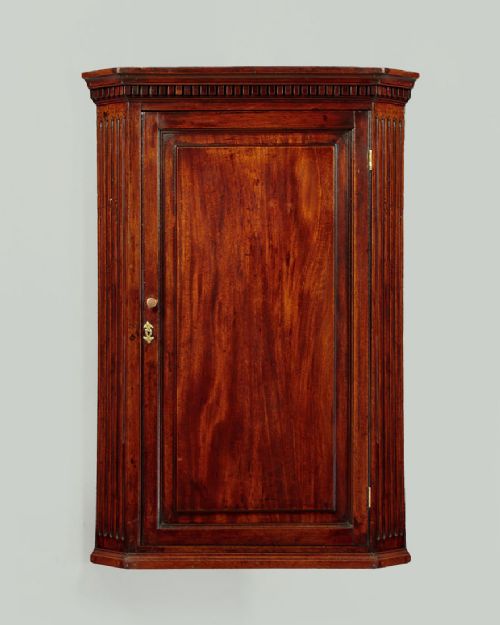
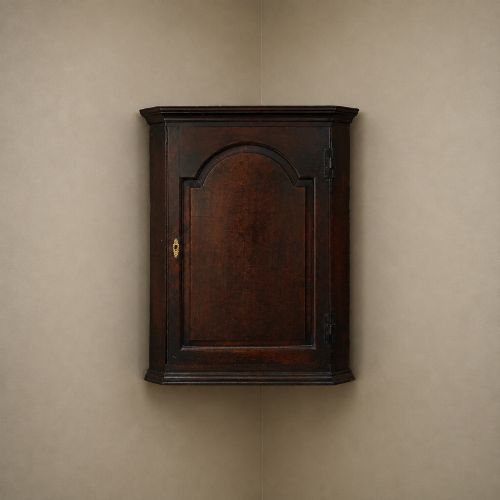
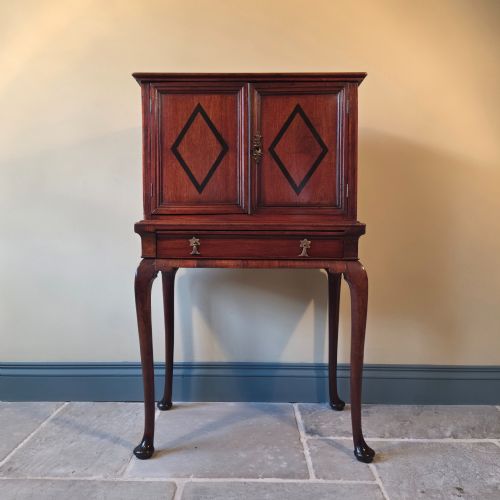
Beyond standard floor-standing cupboards, the selection includes specialised formats like wall-hanging corner units and cabinets on stands. Each variation demonstrates how historic workshops solved domestic storage needs through thoughtful proportions and timber selection.
Assessing quality and execution
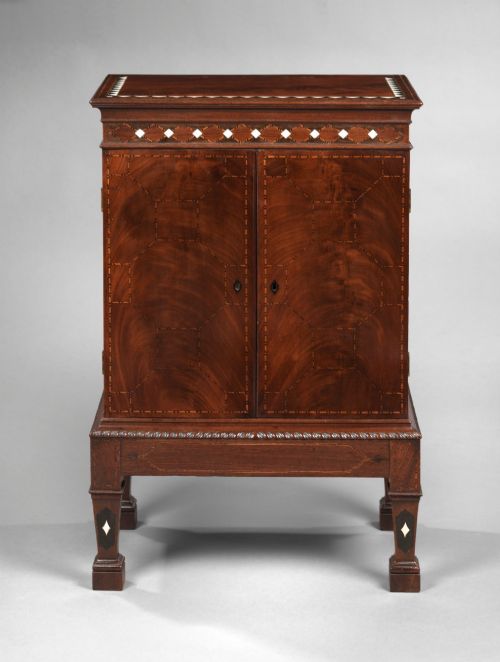
Quality in these cupboards rests on the selection of timber figures, such as figured mahogany or burr elms, where grain patterns align intentionally across doors and drawer fronts. Superior pieces exhibit crisp carving, tight dovetails, and original backboards that have not suffered from harsh timber shrinkage.
Hardware and secondary details further distinguish workshop tiers, with heavy cast brass mounts, functioning original locks, and delicate inlay work indicating a higher standard of production. The restraint or ambition of the proportions also marks the difference between standard utilitarian joinery and pieces designed for fashionable domestic interiors.
Period Wood Cupboard Retail Price Guide 2026
Typical asking prices for period wood cupboard among the pieces listed under this phrase on Sellingantiques today, from the lower quarter to the upper quarter. They describe what is for sale here now, not the wider market.
Listings span several centuries from the seventeenth to the twentieth, with mahogany and rosewood appearing alongside oak and walnut across various cabinet forms.
A. Solomon·Louis Constantin Le Gaigneur
The Period Wood Cupboard Glossary
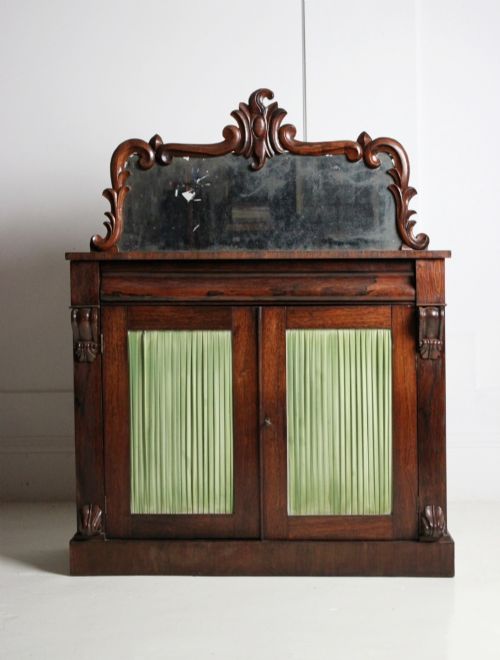
- Chiffonier
- A low sideboard or cupboard developed during the Regency period, often featuring shelves or a raised gallery back. They typically enclosed storage space behind fabric-panelled or wooden doors.
- Linen Press
- A tall piece of furniture designed for storing folded textiles, featuring sliding trays or shelves enclosed by upper doors above a base of lower drawers. They were essential storage items in large Georgian and Regency households.
- Corner Cabinet
- A storage unit constructed with an angled back to fit neatly into the corner of a room, produced in both floor-standing and wall-hanging variants. Oak and mahogany versions were common in domestic settings from the eighteenth century onward.
- Marquetry
- The art of applying decorative veneer pieces in wood, pewter, or shell to form pictorial or geometric patterns on a carcase. It requires precise cutting and fitting to create seamless surface designs.
Period Wood Cupboard: Frequently Asked Questions
What is a period wood cupboard?
A period wood cupboard is a historic storage piece made from traditional timbers like mahogany, oak, and rosewood during eras such as the Georgian and Regency periods.
These items range from simple corner cupboards to refined side cabinets and chiffoniers, built using traditional joinery methods that emphasise timber grain and structural durability.
Where were corner cupboards placed?
Corner cupboards were designed to utilise awkward angles in smaller rooms or dining spaces, making efficient use of interior layouts in historic homes. Wall-hanging versions were mounted at eye level or above side tables, while floor-standing variants anchored empty corners.
Their triangular footprint allowed them to provide substantial shelving without blocking walking paths in period interiors.
How should I care for historic wood?
Historic wood furniture requires stable environmental conditions away from direct heat sources and dramatic humidity shifts to prevent timber splitting or veneer lifting. Regular dusting with a soft cloth and occasional applications of traditional wax help maintain the finish.
Avoid modern silicone polishes, as they can penetrate the grain and alter the historic sheen of the timber.