
Period Wine Tables
Period wine tables are nimble occasional pieces designed for holding glasses and decanters, spanning the eighteenth and nineteenth centuries in mahogany, oak, and rosewood.
Period Wine Tables
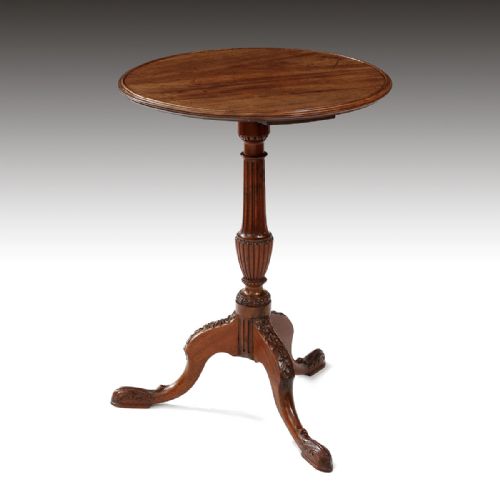
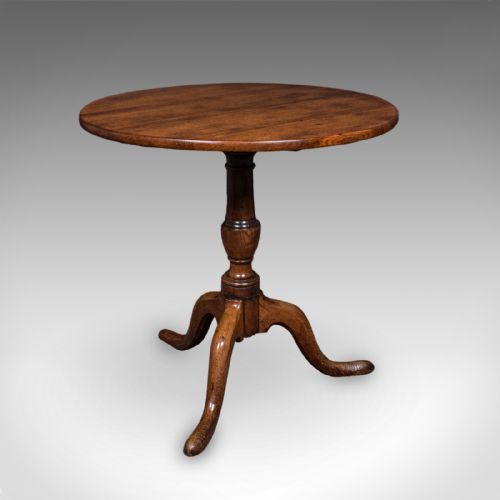
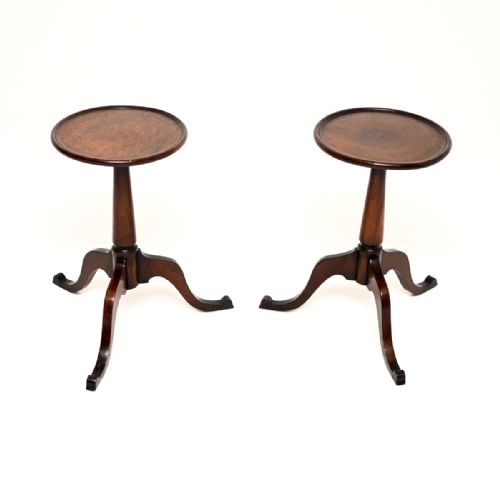
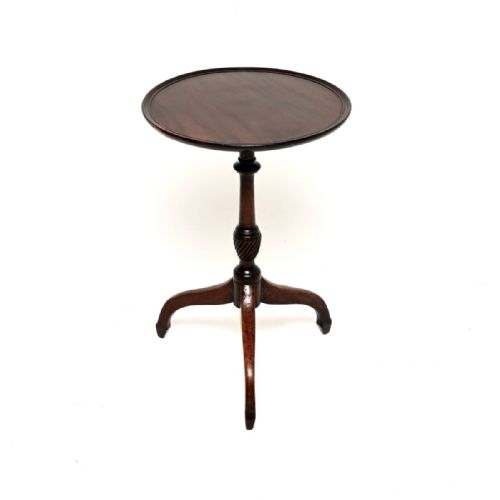
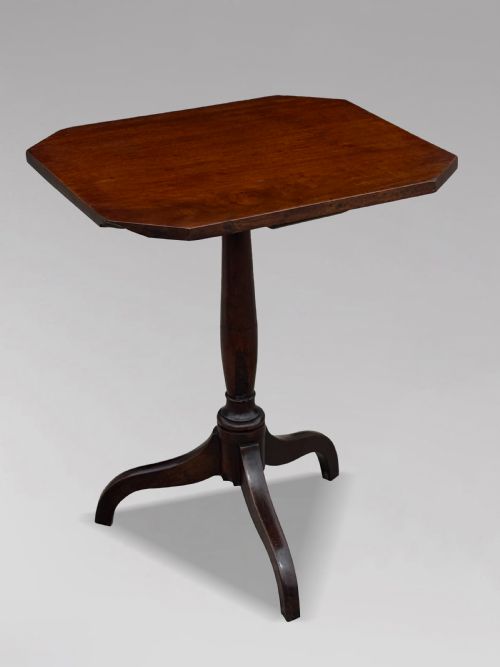
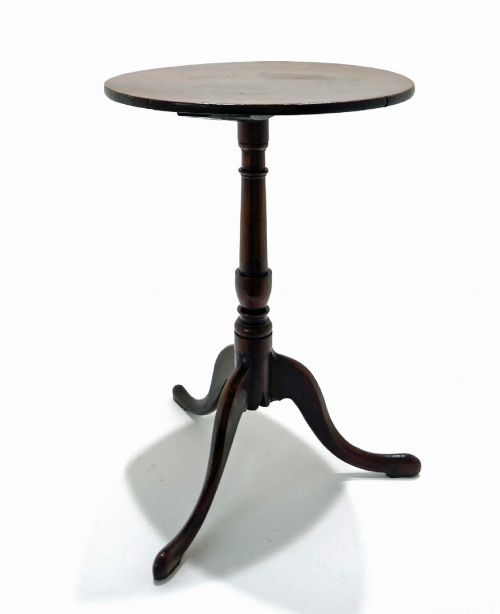
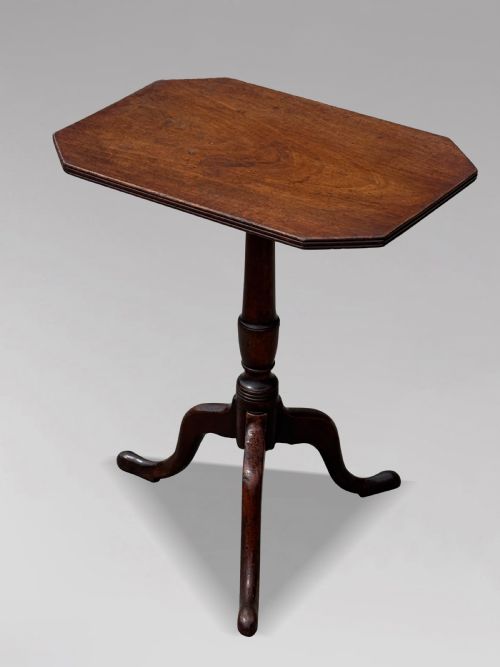
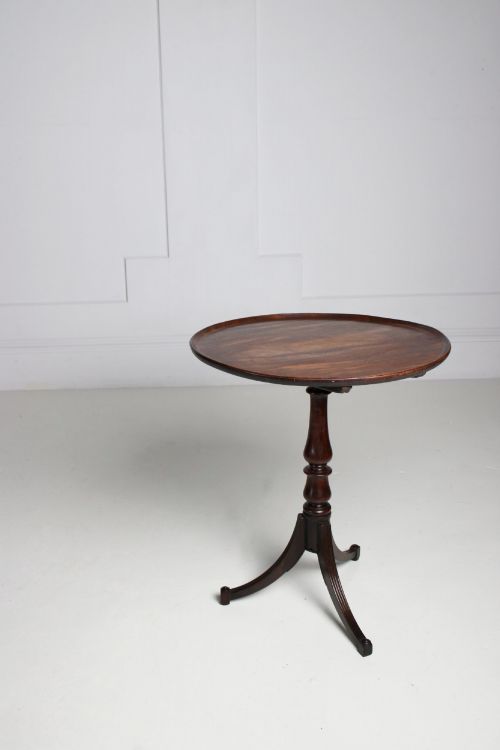
When you search for period wine tables, you encounter compact circular stands engineered for portability alongside seating in eighteenth and nineteenth-century interiors. The most common form on this page is the tripod table, often featuring a snap-top mechanism to save space when not in use.
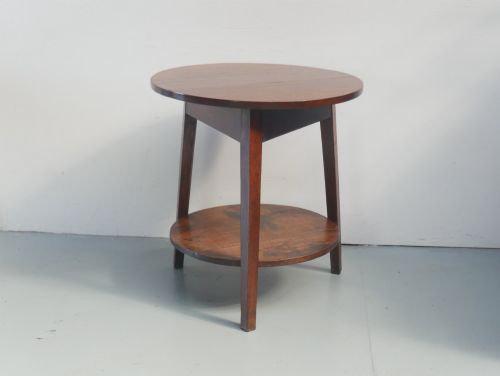
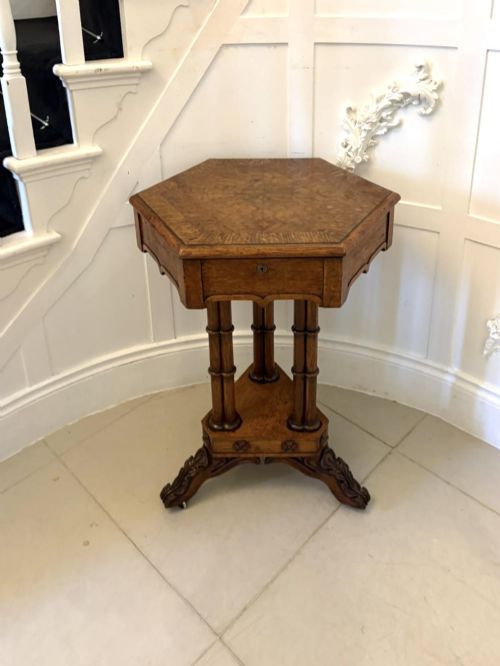
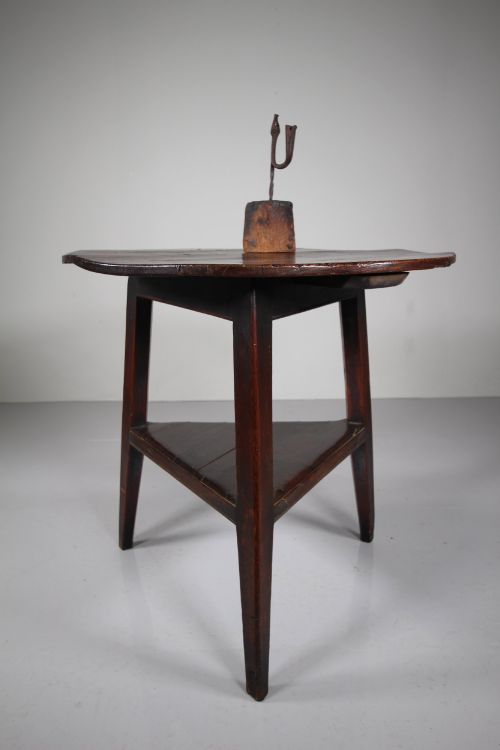
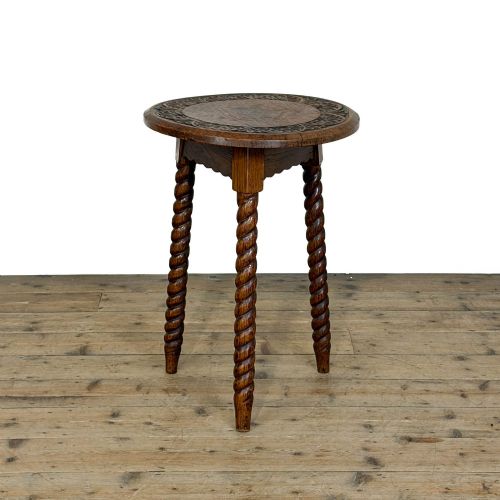
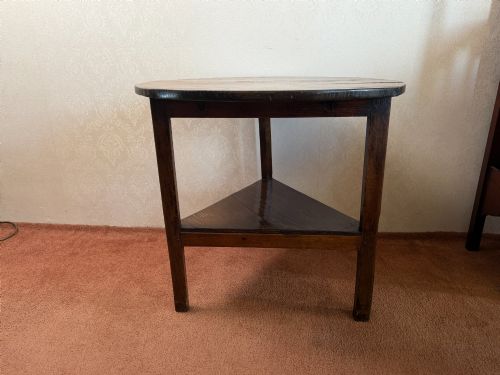
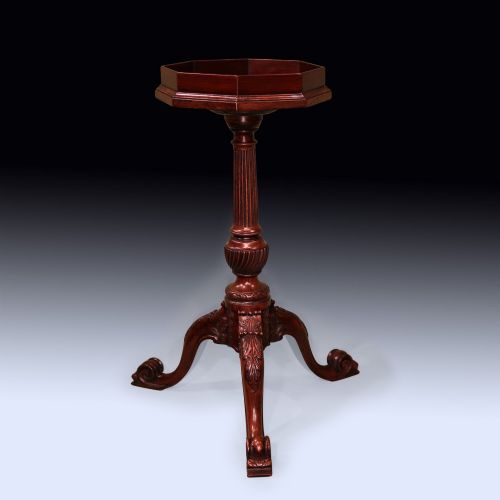
The selection ranges from modest oak cricket tables of the vernacular tradition to finely carved mahogany George III examples and elegant Regency pedestal designs. Alongside dedicated wine tables, you find related forms such as kettle stands, urn stands, and small lamp tables fulfilling similar domestic roles.
How they were made
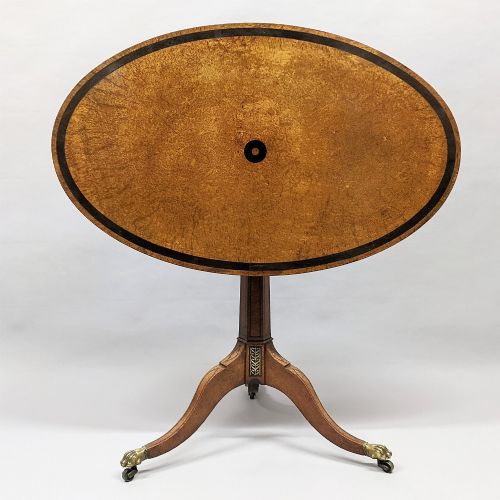
Cabinetmakers constructed these tables using dense timbers such as mahogany, oak, and rosewood, frequently incorporating exotic veneers like amboyna, satinwood, and pollard oak for decorative impact. Tops were turned from solid boards or built with figured veneers over stable secondary woods.
The characteristic tripod base relies on a turned central column supported by three splayed legs, joined with tenons or dovetails. Tilt-top mechanisms utilise brass catches and birdcage assemblies to allow the surface to pivot upright.
Many tables tilt their tops so thoroughly they double as modest wooden sentinels against the wall.
What varies in quality
The distinction between standard examples and the finest work lies in the crispness of the carving, the choice of timber figure, and the architectural proportion of the column and legs. Superior pieces demonstrate meticulous joinery in the tripod block and a balanced relationship between the top diameter and the height of the shaft.
Surface finish and originality of hardware also dictate the standing of a piece, with patinated wax finishes and period brass fittings preserving the integrity of the maker's original design.
Gillow
The Period Wine Tables Glossary
- Tripod table
- A small freestanding table supported by three legs radiating from a central pillar. This construction kept the table steady on uneven floorboards.
- Snap-top
- A hinged tabletop mechanism that tips into a vertical position. It allows the table to be stored flat against a wall when not in use.
- Cricket table
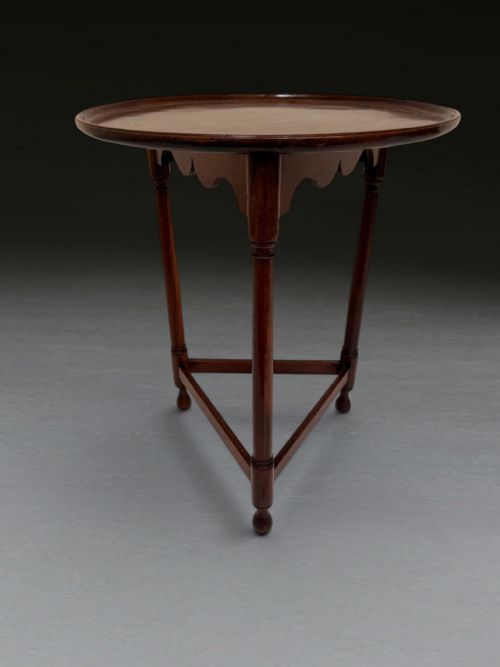
- A small three-legged round table with a wooden top and stretchers. The design originated in English vernacular domestic settings during the eighteenth century.
- Kettle stand
- A miniature table designed to hold a hot water kettle for tea service. They often replicate the proportions of larger tripod tables on a smaller scale.
Period Wine Tables: Frequently Asked Questions
What is a period wine table?
A period wine table is a small occasional table from the eighteenth or nineteenth century designed to hold drinks, glasses, or candles.
These pieces typically feature a circular top on a central pedestal with three legs, making them easy to move around a room as needed.
How do you use a tilt top table?
A tilt top table uses a pivoting mechanism beneath the surface that allows the tabletop to lock into a horizontal position for use.
By releasing a catch, the top pivots vertically so the table can be pushed out of the way against a wall.
What is the difference between a wine table and a cricket table?
Wine tables are generally finer mahogany or rosewood pieces from the Georgian and Regency periods, often with turned columns and sophisticated tripod bases.
Cricket tables are sturdier oak vernacular pieces from the eighteenth century, traditionally built with three splayed legs and lower stretcher rails.
Where were wine tables placed?
Wine tables were kept beside seating areas in reception rooms to hold decanters, glasses, and small lamps.
Their compact size allowed servants to reposition them easily wherever guests were seated.