





Period Windsor Chairs
Period windsor chairs are traditional wooden seating pieces rooted in centuries of vernacular craft, prized for their sculpted seats and comforting backs.
Period Windsor Chairs
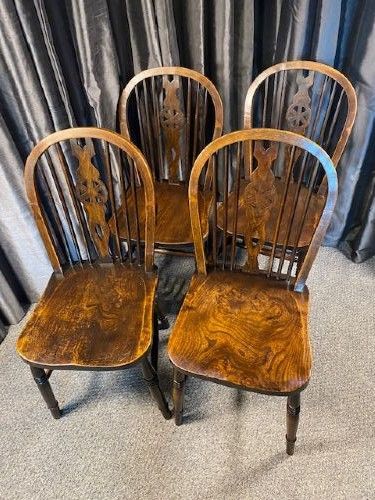
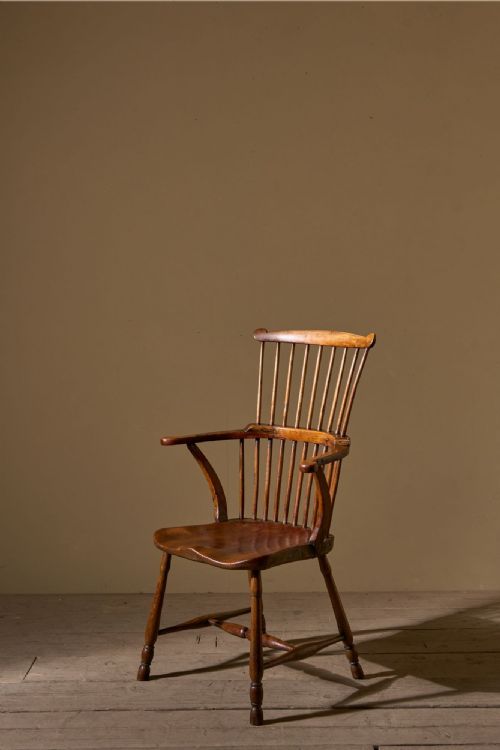
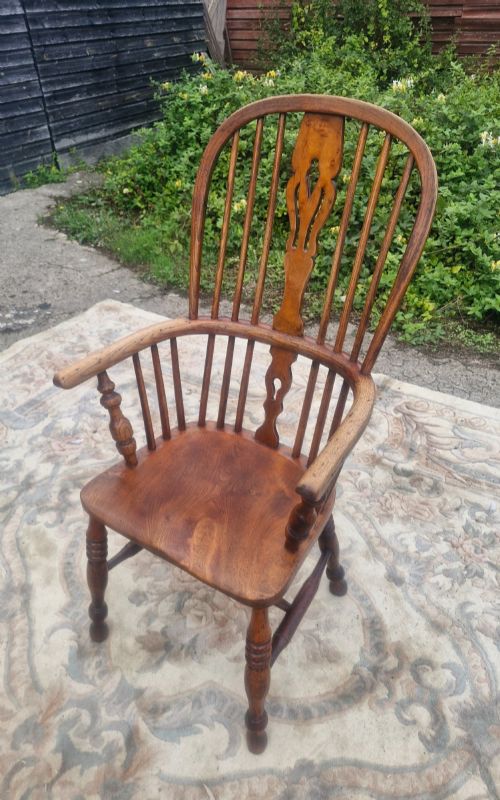
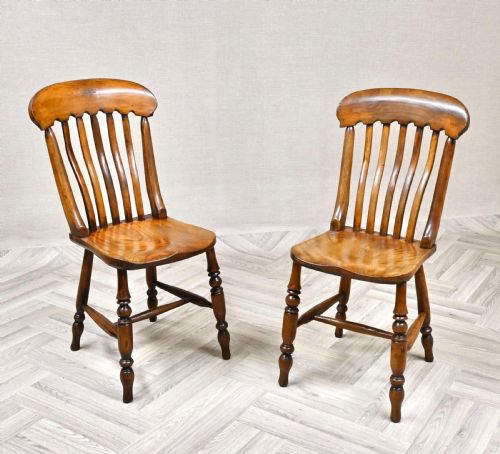
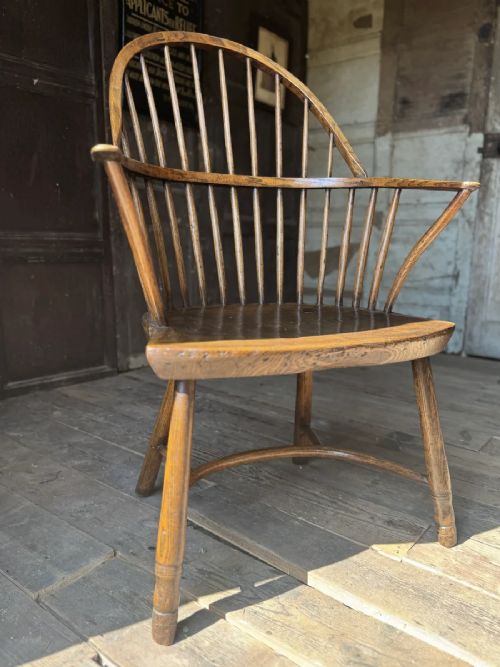
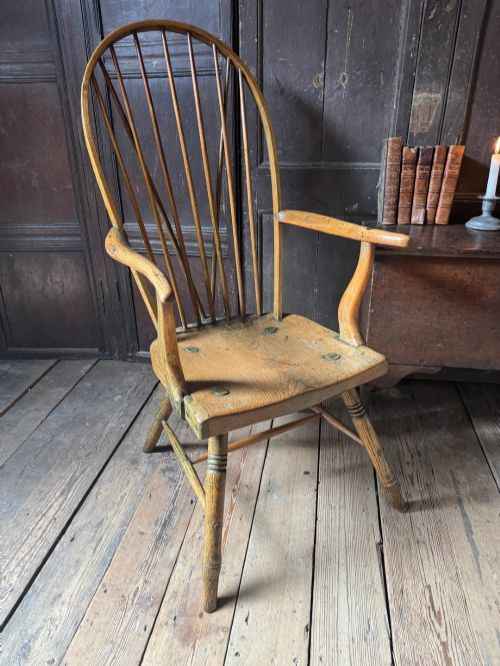
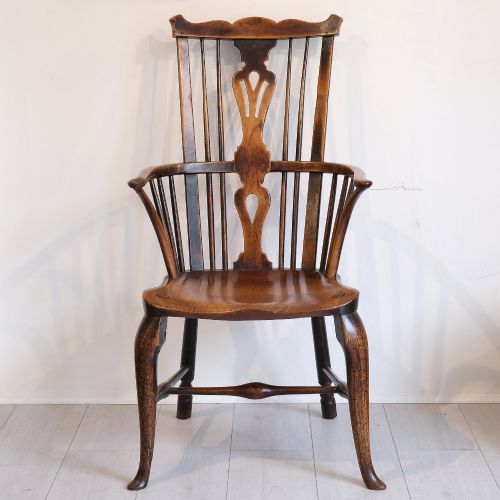
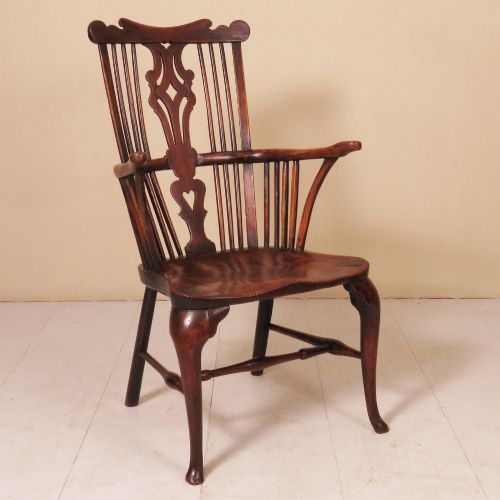
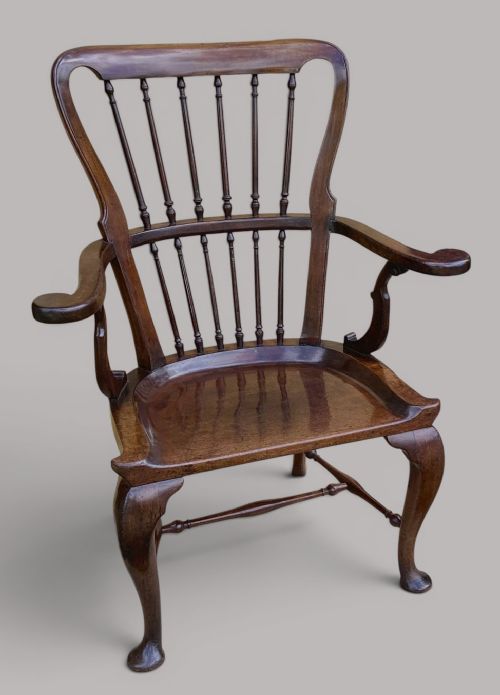
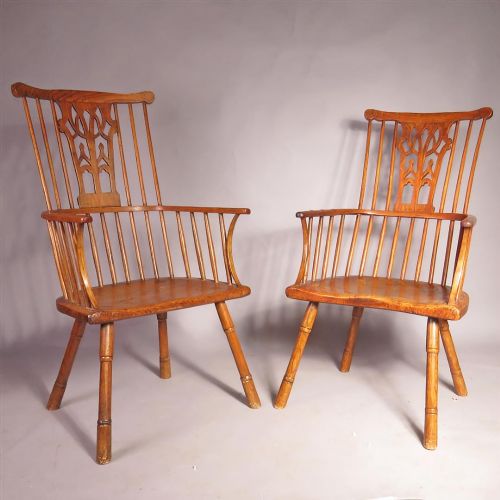
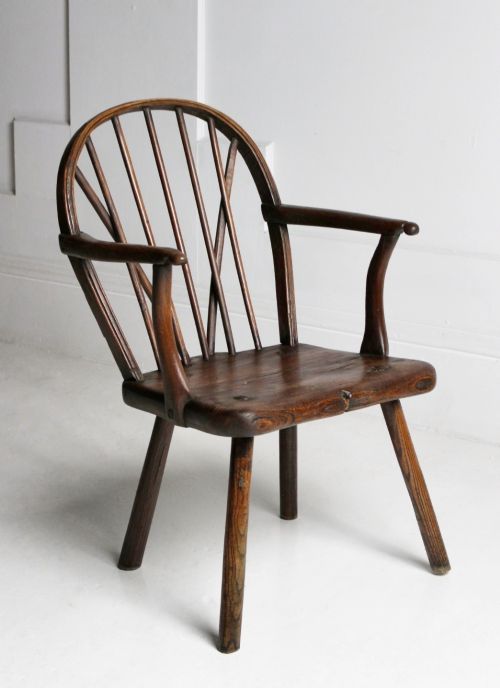
When you search for period windsor chairs, you encounter robust domestic seating shaped from native timbers during the eighteenth and nineteenth centuries. These pieces encompass low backs, high hoops, lathbacks, and comb backs designed for everyday use in kitchens, parlours, and country houses.
The versions you meet most frequently on this page date from the Georgian and Victorian eras, often taking the form of sturdy armchairs or sets of dining chairs. Regional variations include West Country origins and vernacular stick backs that highlight traditional bodging techniques.
Makers constructed these chairs primarily as functional furniture, combining solid wood seats with slender spindles and bentwood bows. They survive today as enduring examples of English country craftsmanship and vernacular design.
What varies in quality
The refinement of the seat carving and the balance of the spindle arrangement define the distinction between standard examples and superior pieces. Deeply saddled elm seats paired with well-proportioned ash bows demonstrate a higher level of regional joinery skill.
Period Windsor Chairs Retail Price Guide 2026
Typical asking prices for period windsor chairs among the pieces listed under this phrase on Sellingantiques today, from the lower quarter to the upper quarter. They describe what is for sale here now, not the wider market.
The Period Windsor Chairs Glossary
- Comb back
- A Windsor chair variation where the vertical spindles extend upward to support a horizontal top rail resembling a small comb.
- Crinoline stretcher
- An arched underframe connecting the legs of a chair to provide additional structural rigidity.
- Saddled seat
- A wooden seat base hand-carved into a concave, contoured shape designed to improve sitting comfort.
- Lathback
- A chair back featuring a central vertical slat flanked by traditional turned spindles.
- Vernacular
- Everyday objects made by local craftsmen using traditional regional methods rather than following formal academic design styles.
Period Windsor Chairs: Frequently Asked Questions
How do I spot an eighteenth century windsor chair?
Look for deep saddle-shaped elm seats combined with heavy ash framing and early joinery methods such as wedged legs.
Examine the overall proportion and wear patterns to understand the age of the piece.
Were windsor chairs used for dining?
Yes, although single chairs and matching sets often served in farmhouse kitchens and vernacular dining spaces.
They provided sturdy, movable seating long before formal dining suites became common.
Can I mix different styles around a table?
Combining regional vernacular pieces creates an authentic country interior rather than a uniform modern look.
Matching timber tones helps disparate chairs sit comfortably together in the same room.