

Period Walnut Chairs
Period walnut chairs combine dense timber with refined carving, offering collectors durable seating with deep warm tones.
Period Walnut Chairs
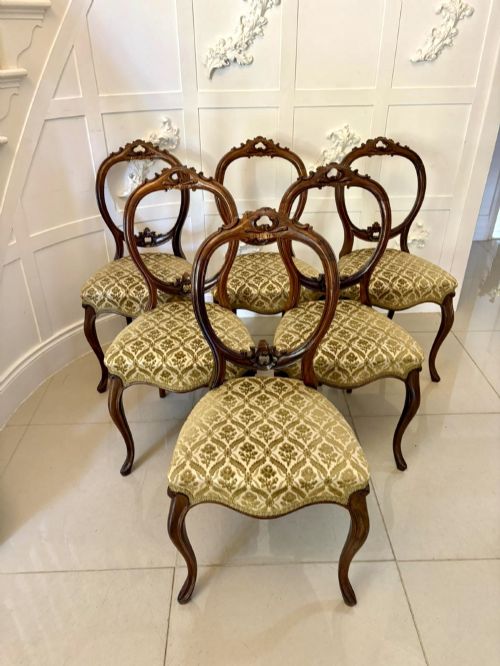
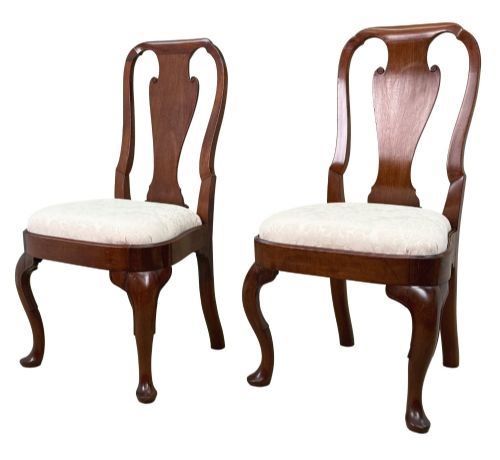
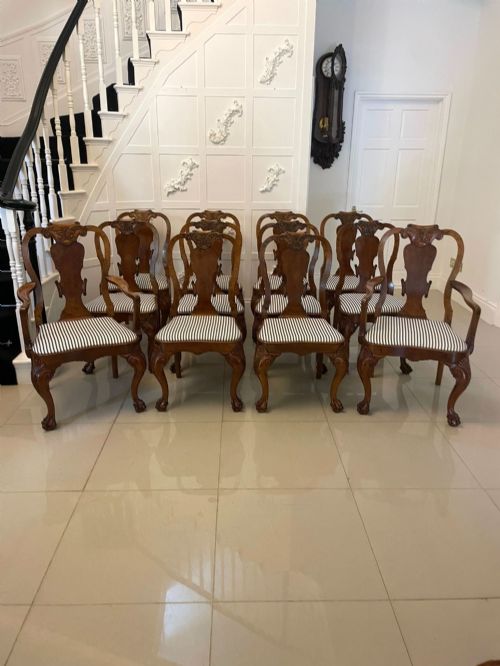
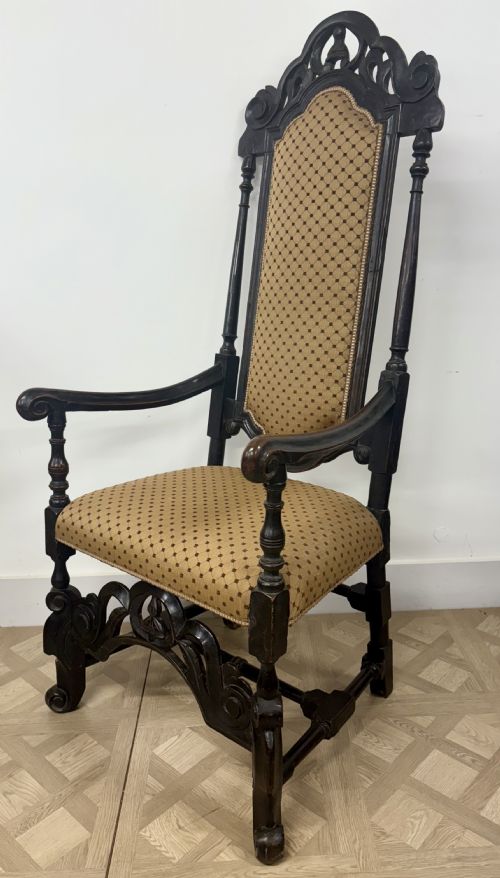
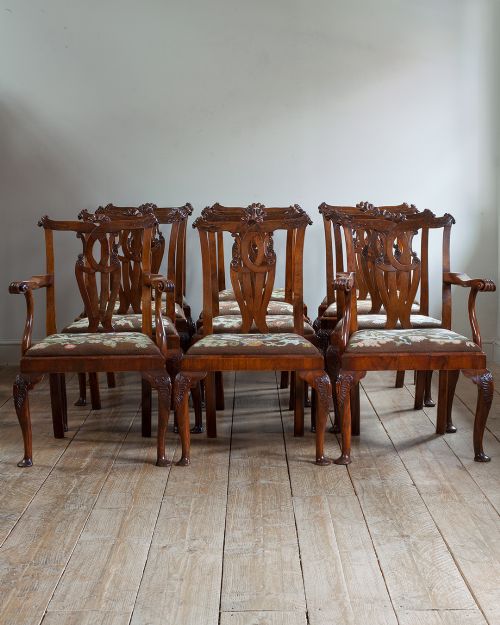
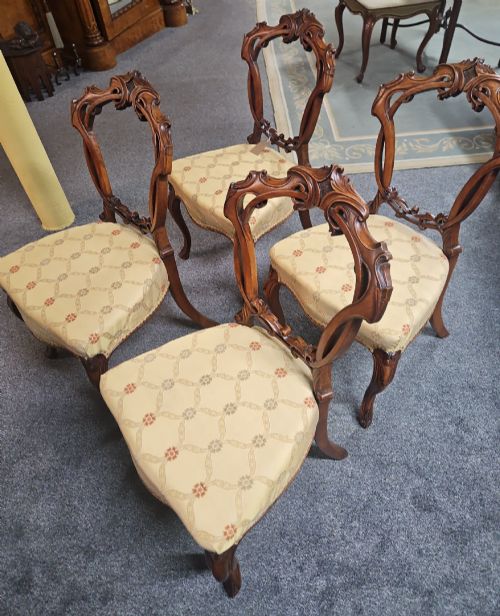
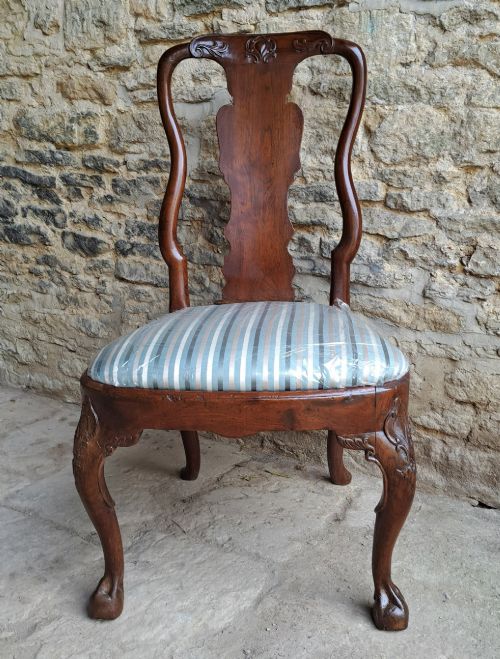
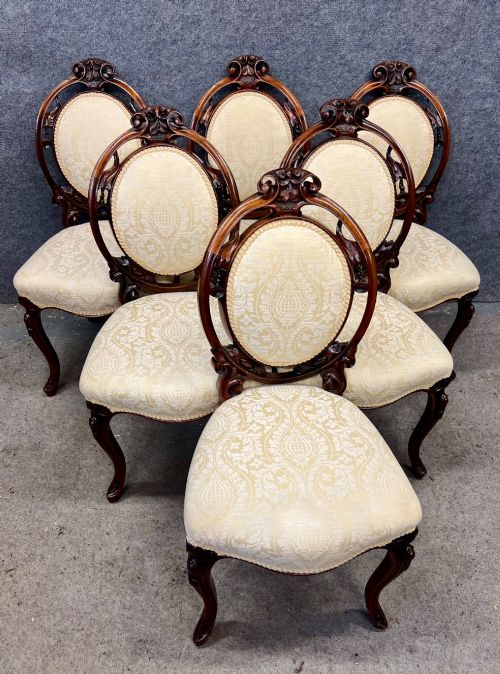
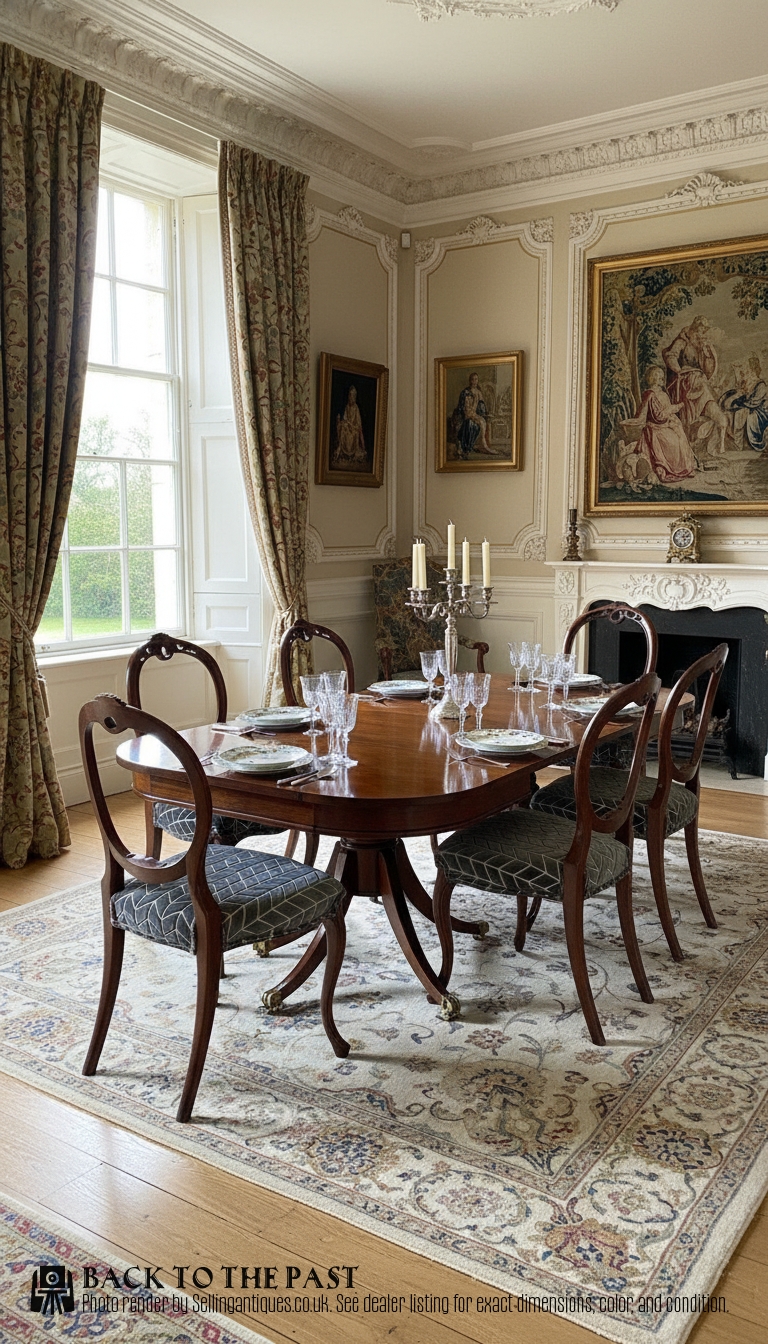
Period walnut chairs span centuries of design, appearing as single side chairs, matched pairs, or large sets intended for dining rooms and salons. When seeking period walnut chairs, buyers frequently encounter 18th-century examples featuring Queen Anne or George II styles alongside substantial Victorian sets.
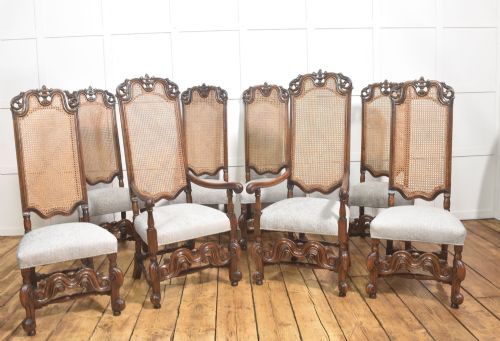
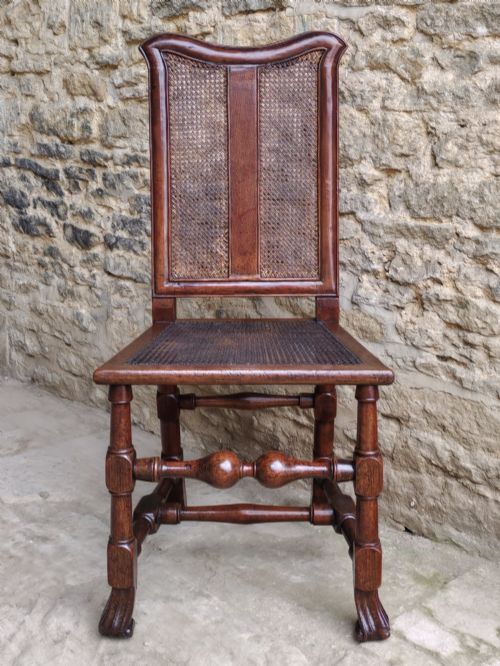
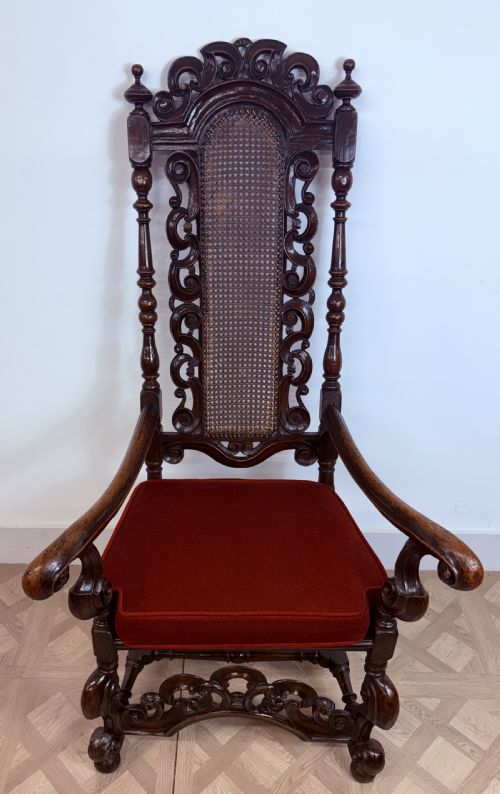
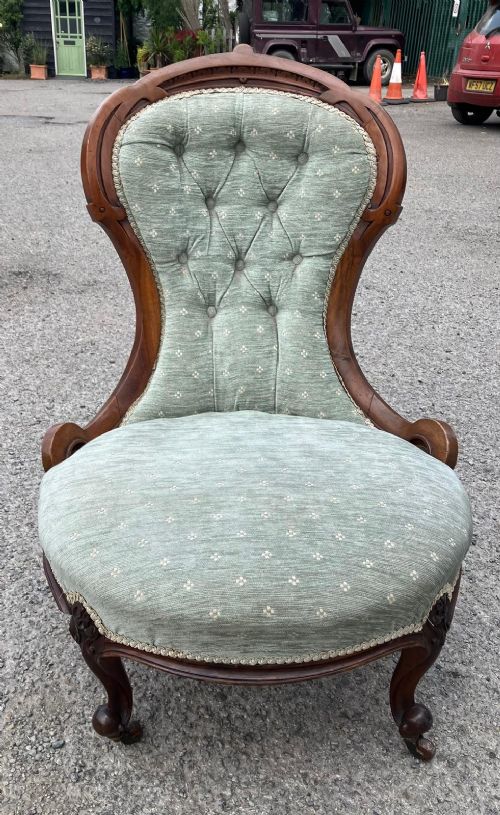
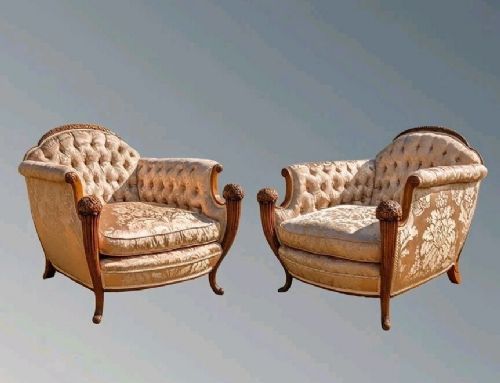
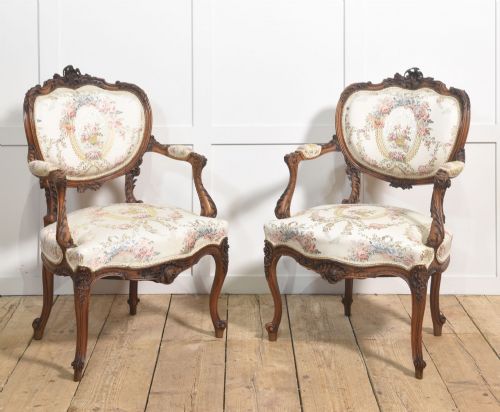
The inventory ranges from high-back cane dining chairs and library armchairs to delicate nursing chairs and French open armchairs upholstered in silk or tapestry. Regional variations emerge across English and French workshops, utilising both figured veneers and solid timber.
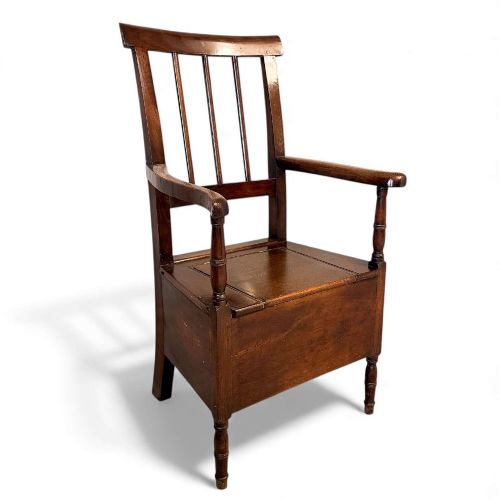
Forms adapt to specific domestic functions, including commode chairs, desk chairs, and salon suites designed for formal entertaining. These pieces reflect the prevailing tastes of their respective eras, moving from restrained Baroque lines to elaborate Victorian revival styles.
Materials and Construction
Cabinetmakers constructed these frames using solid walnut and applied burr walnut veneers, often supported by secondary timbers like oak. The dense grain permitted crisp joinery and deep relief carving on cabriole legs, splats, and crest rails.
Upholstery techniques varied by period, employing horsehair and webbing beneath textiles such as leather, velvet, needlepoint, and cane inserts. Brass tacks and decorative fringes finished the seating edges on upholstered armchairs and dining sets.
The listings span from the late seventeenth century through the Art Deco period, uniting English and French seating forms in solid walnut and veneer.
Assessing the Craftsmanship
Quality rests in the crispness of the hand-carved ornament and the selection of figured timber veneers on prominent surfaces like splats and aprons. Superior examples maintain structural integrity through precise joinery rather than excessive repairs or replaced components.
The preservation of original upholstery materials, cane work, and surface finishes elevates an item's standing among collectors. Proportions, leg rake, and the harmony of matched sets dictate whether a grouping functions as a cohesive suite or a cobbled assembly.
Charles Tozer·Lamb of Manchester
The Period Walnut Chairs Glossary
- Cabriole leg
- A furniture leg that bends outward in a convex curve and tapers inward in a concave curve, ending in a pad or claw foot. This form became prominent during the Queen Anne and George II periods.
- Burr walnut
- Timber taken from a tree growth or wart, yielding intricate, swirling grain patterns. Cabinetmakers sliced this wood into thin veneers for decorative surfaces.
- Fauteuil
- An open-framed armchair with upholstered back and armrests, originating in France. The wooden arms typically feature padded elbow rests.
- Cane
- Woven rattan or split reed used for chair seats and backs. It provides a lightweight, resilient surface popular in late seventeenth-century and later seating.
Period Walnut Chairs: Frequently Asked Questions
How do I date a walnut chair?
Dating relies on stylistic markers such as leg shapes, stretcher configurations, and the profile of the chair back. Comparing the joinery methods and secondary woods provides further clues to the decade of manufacture.
Fashion shifts between eras, moving from the heavy turned members of the seventeenth century to the graceful curves of the Georgian age and the revivalism of the Victorian epoch.
Are walnut chairs sturdy enough for daily use?
Solid walnut is a hard, durable timber that withstands regular use when the underlying joinery remains sound. Period chairs designed for dining or desk work provide adequate structural support for daily sitting.
Antique frames benefit from periodic checks of the glue joints and blocks beneath the seat to prevent loosening over time.
How should I care for antique walnut wood?
Maintaining walnut furniture involves keeping pieces away from direct sunlight and steady heat sources that dry out the timber and cause veneers to lift. Gentle dusting with a soft cloth preserves the polished surface without stripping the patina.
Applying microcrystalline wax occasionally protects the wood and enhances the natural grain patterns without building up a heavy residue.
What is the difference between side chairs and armchairs?
Side chairs are built without armrests, designed originally to be set against walls or placed in rows around dining tables. Their compact footprints made them versatile additions to various rooms.
Armchairs feature structural supports for the arms, offering a more commanding presence and greater comfort for reading or conversation in parlours and libraries.