


Period Wall Hanging
Period wall hanging items bring timber cabinets, textiles and gilt mirrors directly to vertical spaces with centuries of craft.
Period Wall Hanging
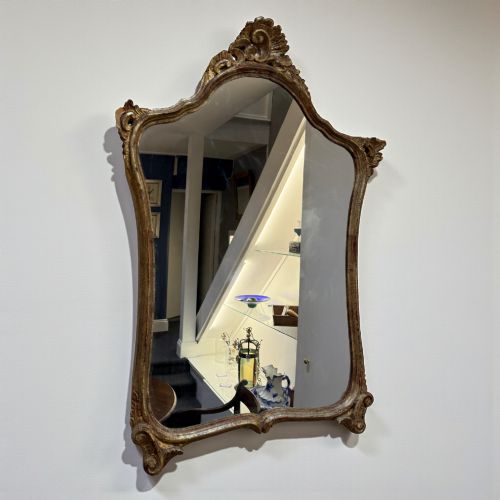
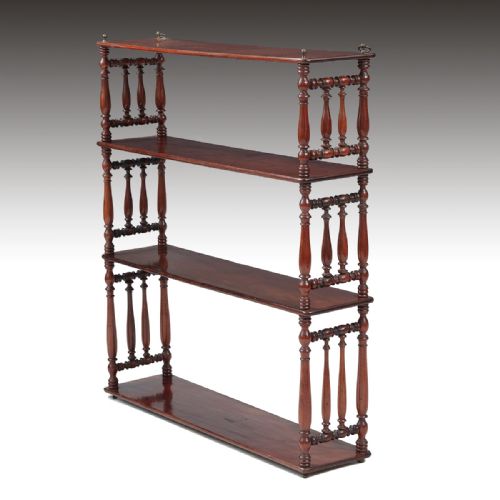
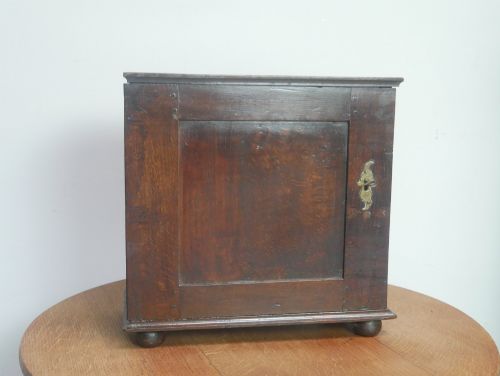
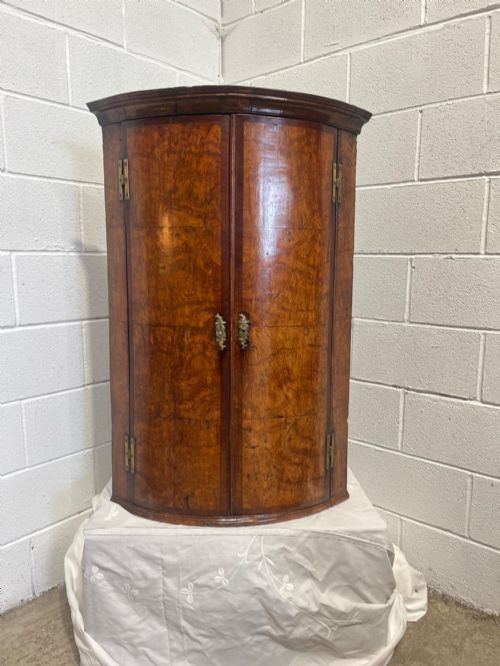
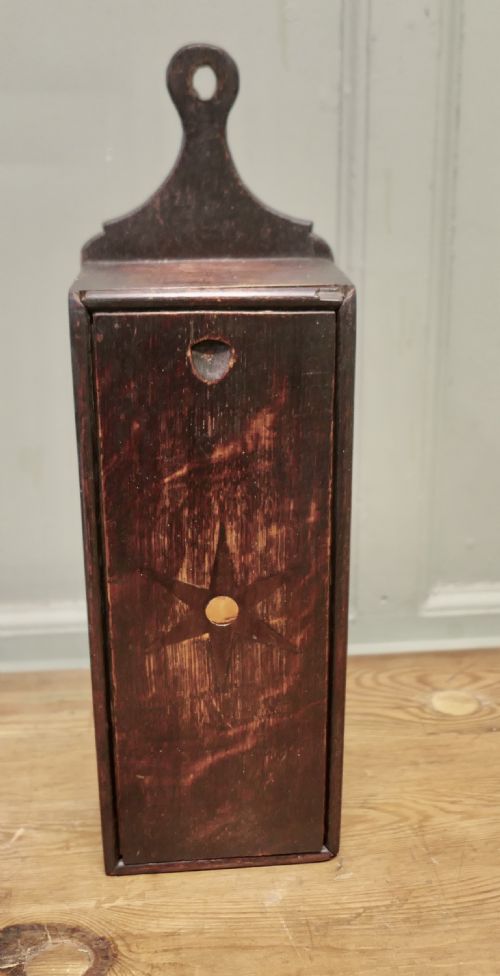
A period wall hanging selection brings together timber cupboards, mirrors and textiles designed to attach securely to vertical surfaces. Buyers searching for a period wall hanging often encounter sturdy oak spice boxes, mahogany corner cupboards and giltwood mirrors dating from the seventeenth century onward.
The objects span practical domestic storage and ornamental display, including hanging shelves, salt boxes and decorative chargers. Oak and mahogany items reflect domestic utility, while giltwood frames and Persian embroideries serve decorative roles in reception rooms.
Geographic origins visible in the evidence range from English country workshops to French ateliers and Japanese kilns. Oak spice cupboards and corner cabinets dominate the earlier centuries, while Victorian and Edwardian examples introduce gilt mirrors and lacquer work.
How they were made
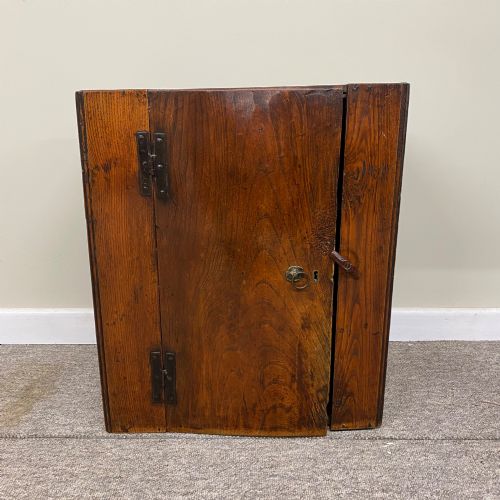
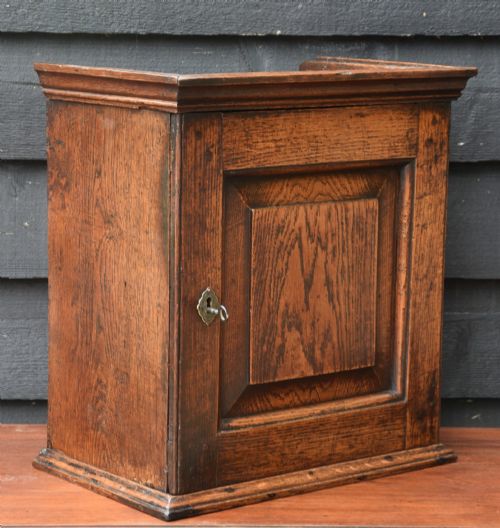
Cabinet makers utilised solid oak, walnut and mahogany for structural forms, constructing spice cupboards and corner cabinets with dovetailed joints and iron hardware. Wood surfaces frequently received hand-carved mouldings or retained traces of early paint.
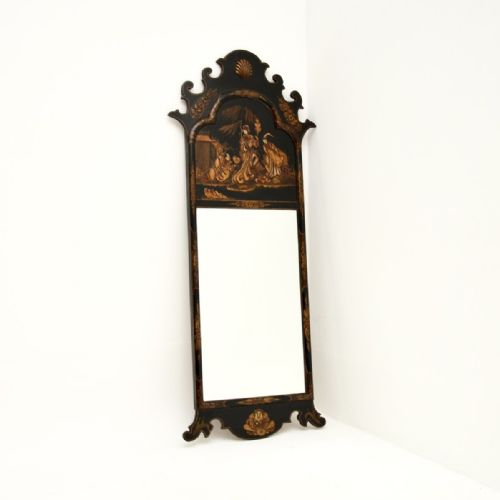
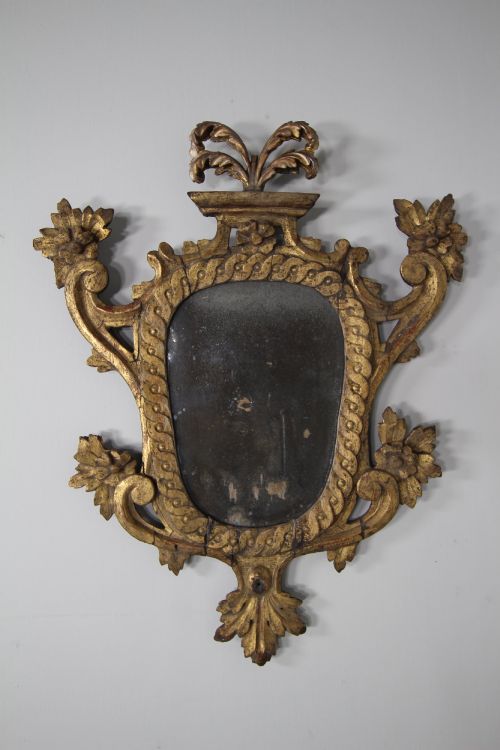
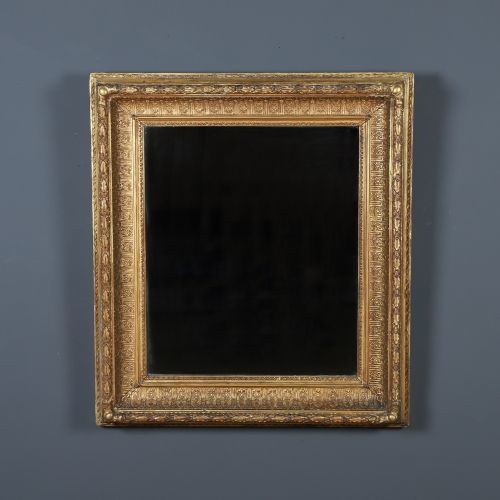
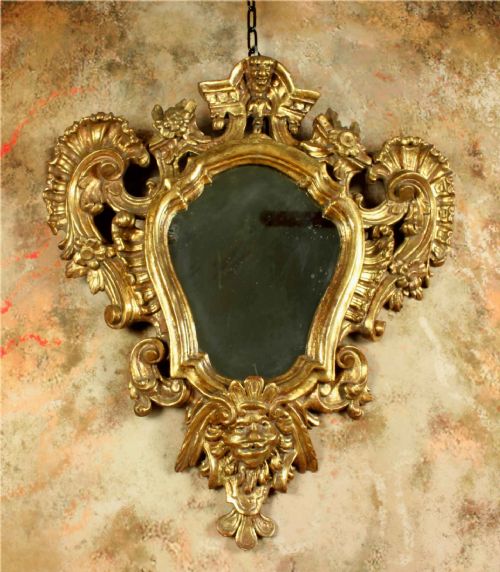
Mirrors and decorative items combined carved wood, gesso and gold leaf to create ornate frames around mercury glass plates. Textiles such as Persian embroideries employed silk and felt appliqué work upon wool backings.
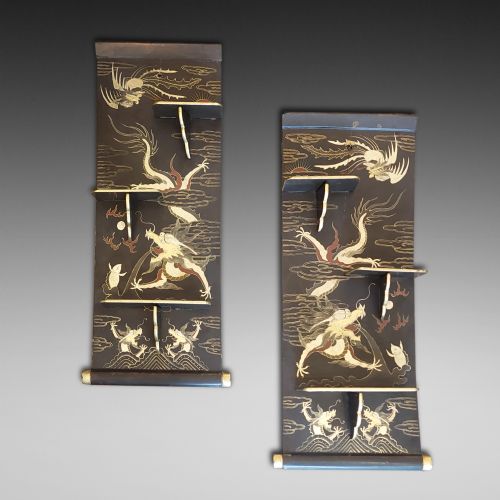
Pottery items like Japanese Imari chargers relied on porcelain throwing and high-temperature firing with cobalt blue and iron-red pigments. Lacquered hanging shelves used layered resin finishes over timber bases.
Period Wall Hanging Retail Price Guide 2026
Typical asking prices for period wall hanging among the pieces listed under this phrase on Sellingantiques today, from the lower quarter to the upper quarter. They describe what is for sale here now, not the wider market.
Several centuries ago, someone carefully painted a wooden salt box red, and the pigment survived to greet today's collectors.
What varies in quality
Material selection determines the foundational tier of each piece, distinguishing dense burr oak and figured mahogany from plain secondary timbers. The depth and precision of hand-carving on giltwood mirror frames and oak panels indicate the maker's skill level.
Survival of original components dictates authenticity and desirability across the selection. Original mercury mirror plates, iron hardware, hinges and early painted surfaces carry greater weight than later replacements.
Proportion and balance define the visual success of hanging furniture and mirrors. Pieces retaining harmonious dimensions and crisp joinery stand apart from altered or heavily restored examples.
The Period Wall Hanging Glossary
- Mercury plate
- A mirror glass manufactured using a tin and mercury amalgam backing before the modern silvering process. This technique produces a characteristic mottled and reflective surface.
- Gesso
- A plaster mixture applied to wood frames as a smooth base for gilding. It allows craftsmen to carve intricate relief details before applying gold leaf.
- Imari ware
- Japanese porcelain decorated in underglaze blue and contrasting overglaze red, green and gold. The style originated in the Arita district and gained immense popularity in Europe.
- Livery cupboard
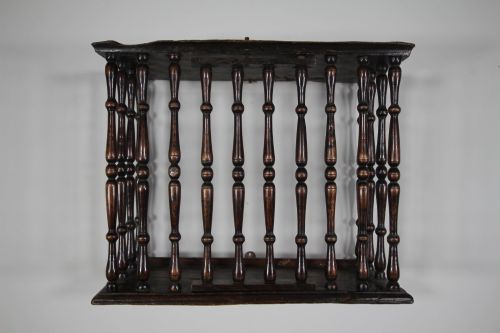
- A medieval or early modern storage piece originally used for provisions or clothing. Surviving examples feature ventilation slats or turned spindles.
- Rasht embroidery
- A traditional Persian textile craft utilising inlaid felt pieces stitched together with silk threads. These panels often display complex floral medallions.
Period Wall Hanging: Frequently Asked Questions
How do I hang heavy oak cupboards safely?
Heavy timber cupboards require secure wall fixings anchored directly into masonry or internal wall studs. Using appropriate steel brackets beneath the base supports the substantial weight of oak construction.
Professional installation prevents movement and protects historical woodwork from stress fractures over time.
What rooms suit period hanging shelves?
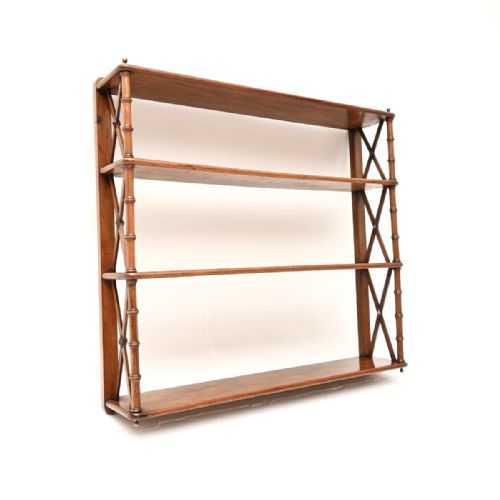
Hanging shelves function effectively in kitchens, hallways and studies for displaying small objects or books. Compact depths allow installation in narrow circulation spaces without obstructing movement.
Positioning them at eye level highlights the grain of mahogany or the detail of lacquered wood.
How do I clean antique giltwood mirrors?
Antique giltwood mirrors require dry dusting with a soft, clean brush to remove accumulated particles. Moisture damages aged gesso and gold leaf surfaces permanently.
Glass plates tolerate gentle cleaning with standard glass cleaner applied to a cloth rather than sprayed directly onto the frame.
How do I identify seventeenth century oak?
Seventeenth century oak displays characteristic medullary rays, often referred to as silver grain, visible across quarter-sawn boards. Joinery relies on pegged mortise and tenon connections rather than modern metal screws.
Surface patination exhibits a deep, dark hue acquired through centuries of oxidation and wax polishing.