
Period Tripod Table
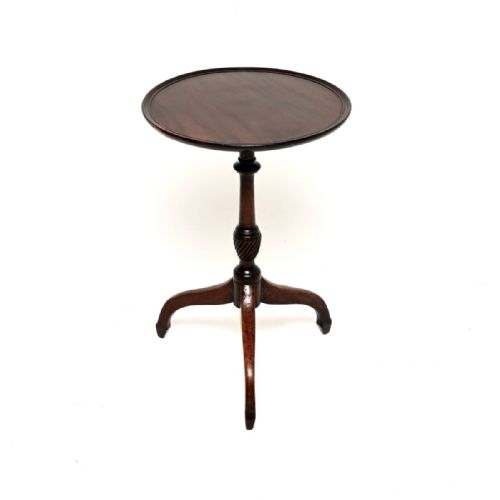
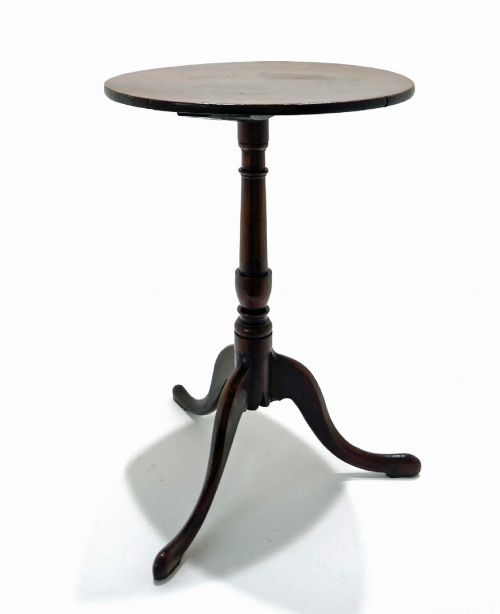
A period tripod table offers a stable circular or oval surface balanced on a central column and three legs, combining practicality with refined proportions.
Period Tripod Table
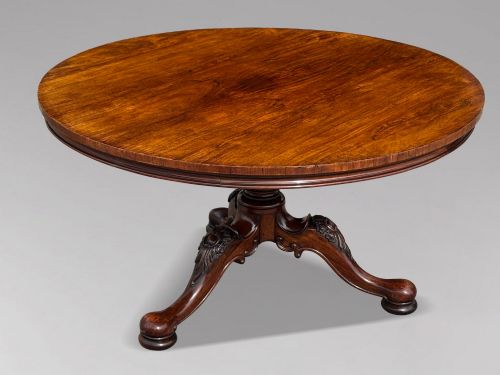
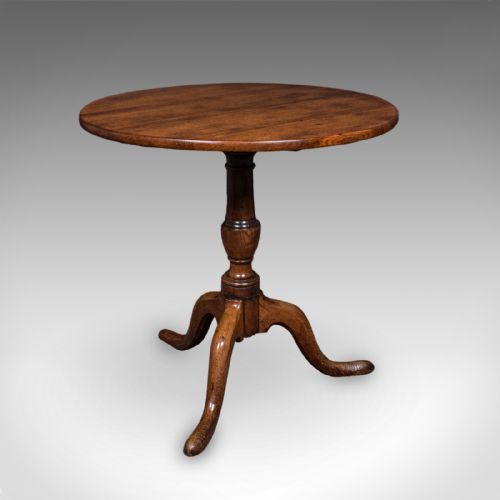
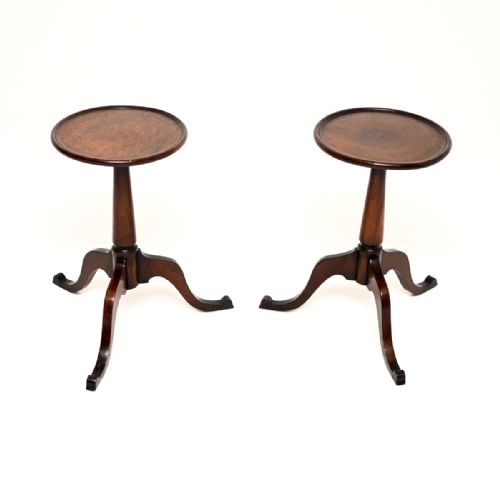
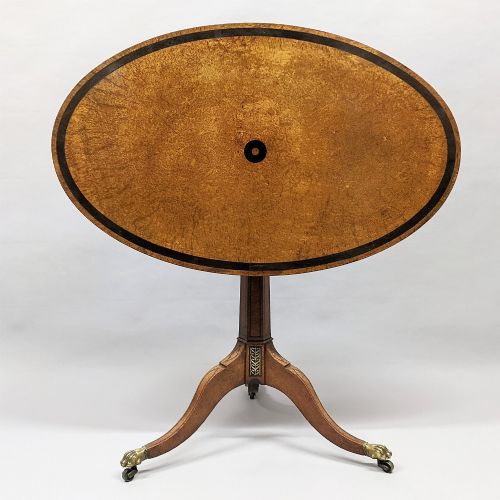
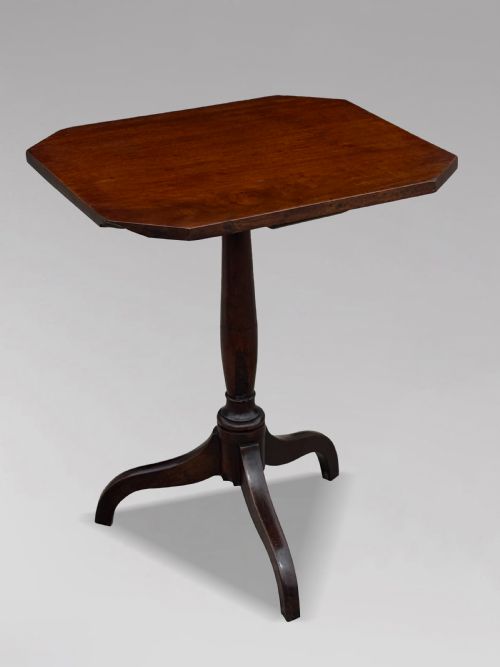
When searching for a period tripod table, collectors encounter a diverse selection spanning the eighteenth and nineteenth centuries, including Georgian and Regency examples. These items function primarily as occasional, wine, or lamp tables, with tilt-top mechanisms frequently appearing to save space when not in use.
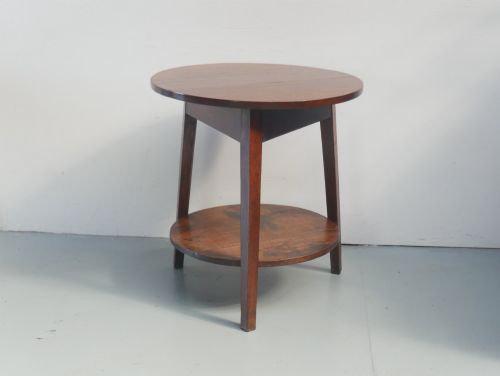
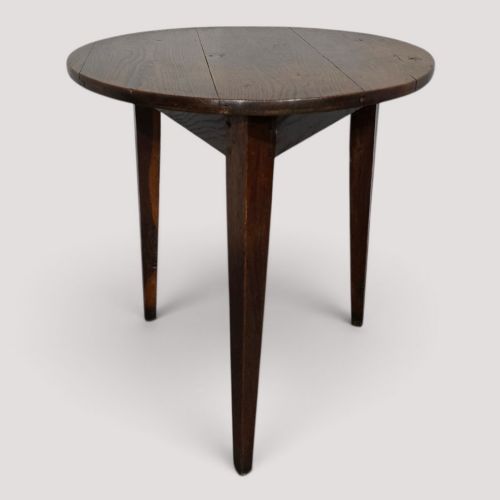
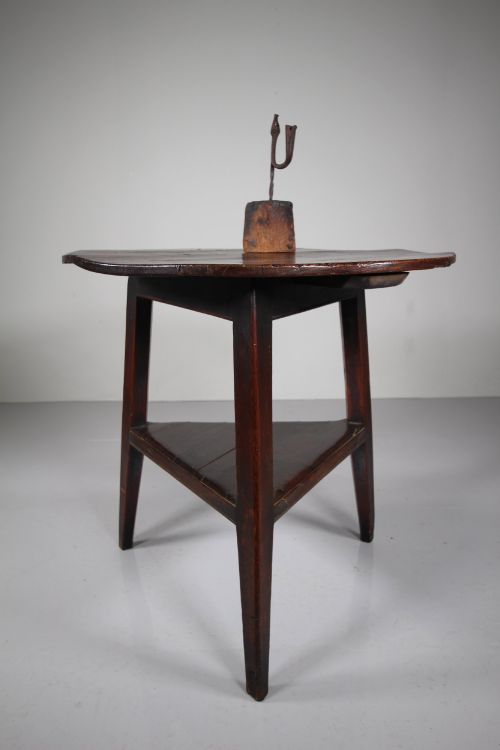
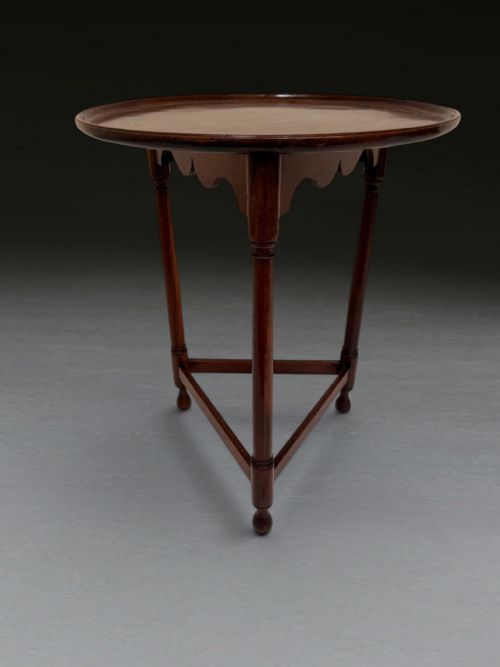
The inventory demonstrates a strong representation of oak cricket tables from the eighteenth century alongside mahogany George III and Regency pieces. Forms range from simple vernacular candle stands and kettlestands to multi-tiered dumb waiters and heavier rosewood centre tables.
Materials and construction
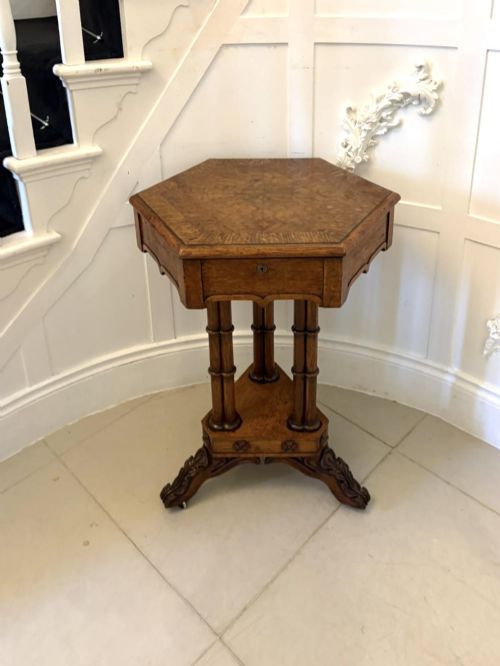
Cabinet makers utilised dense hardwoods such as mahogany, oak, and rosewood, occasionally incorporating decorative veneers like pollard oak, amboyna, and ebony. Secondary timbers like beech appear in the structural framing of the tripod bases.
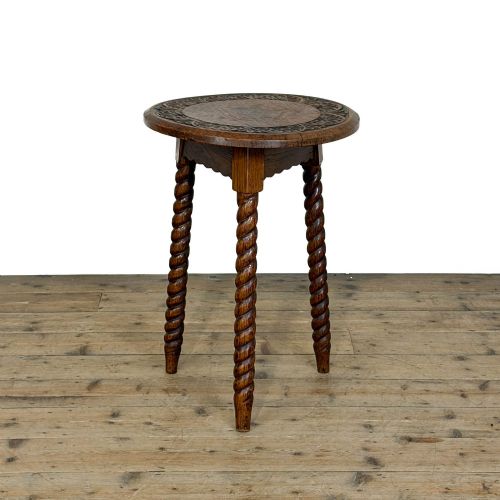
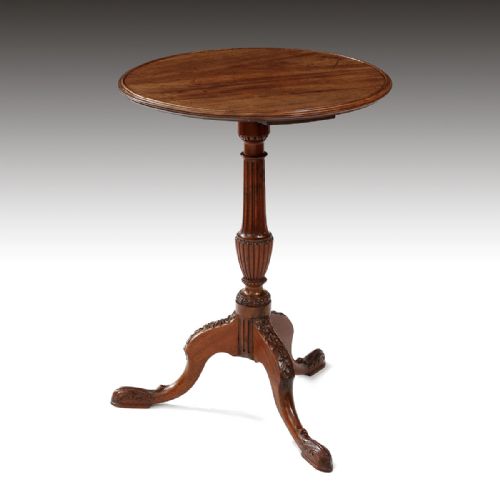
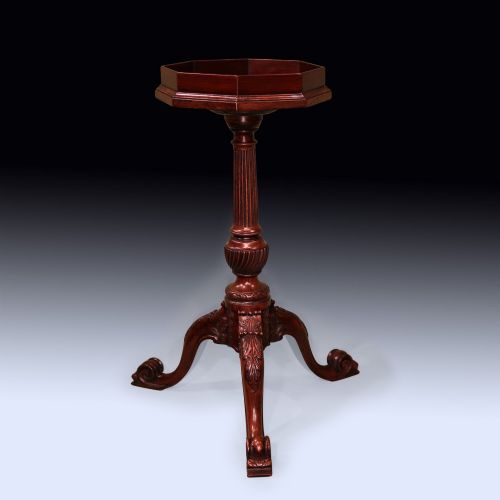
Construction techniques include turned slender columns fitted to three splayed legs and circular tops attached via birdcage or tilt mechanisms. Carved details on the knees and feet reflect the prevailing styles of the Georgian and Chippendale periods.
Some tables tilt so neatly they spent centuries doubling as impromptu shields against stray parlour drafts.
Quality differences
The refinement of the carving on the column and legs distinguishes finer examples from simpler vernacular pieces. Crisp moulding edges and well-executed pie-crust or birdcage mechanisms indicate superior workshop execution.
The choice and figuring of timber grain, particularly in mahogany or rosewood surfaces, directly influences the visual presence of the piece. Well-proportioned pillar heights and stable joints maintain the structural integrity expected in higher-tier examples.
Gillow
The Period Tripod Table Glossary
- Tilt-top
- A tabletop hinged to the top of the column so it can be pivoted into a vertical position. This clever mechanism allowed tables to be stored flat against a wall when not in use.
- Kettlestand
- A diminutive table designed specifically to hold a tea kettle above the floor or ground. These pieces often feature pie-crust edges and delicate tripod bases.
- Dumb waiter
- A tiered table featuring multiple rotating circular trays stacked on a single central pillar. They served dining rooms by holding dishes without requiring extra servant presence.
- Pie-crust edge
- A raised, carved moulding around the perimeter of a tabletop resembling pastry work. This decorative technique demands skilled hand-carving from a solid piece of timber.
Period Tripod Table: Frequently Asked Questions
What is a tilt-top mechanism?
A tilt-top mechanism uses a wooden or brass catch to allow the circular surface to pivot ninety degrees. This lets the furniture rest flat against a wall when the room needs space.
Craftsmen integrated these catches closely into the column block so the tabletop remains steady when lowered horizontally for use.
How were tripod tables used historically?
These versatile items served various domestic functions ranging from holding tea equipment and wine bottles to supporting bedside lamps and reading materials. Their small footprints made them easy to move around panelled reception rooms.
Heavier examples functioned as centre tables in libraries, while multi-tiered dumb waiters assisted diners during formal meals.
How do I identify a Georgian period table?
Georgian pieces typically display rich mahogany timbers, slender turned pillars, andpad or spade feet on the three splayed legs. Carved details often follow Chippendale or classical design books from the eighteenth century.
Examining the underside reveals pegged joinery and timber shrinkage consistent with age rather than modern mechanical production.
What distinguishes a cricket table?
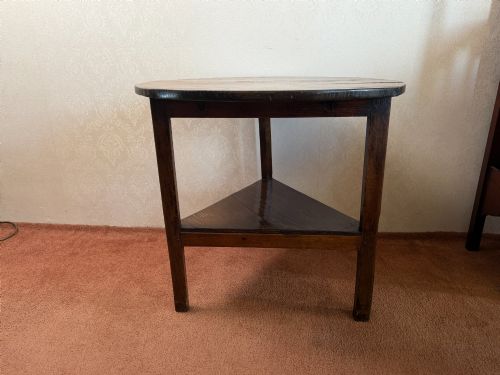
A cricket table is characterised by an oak top resting on three splayed legs, frequently joined by a triangular stretcher near the floor for added rigidity. They originate from seventeenth and eighteenth-century English country houses.
These pieces showcase vernacular construction methods rather than urban cabinet-making refinements.