

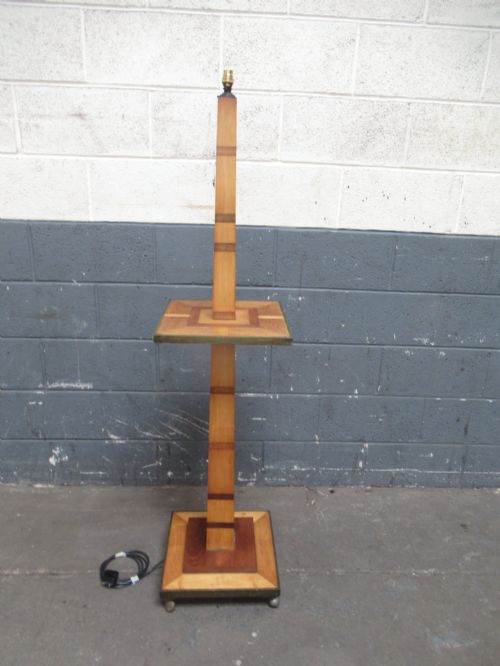
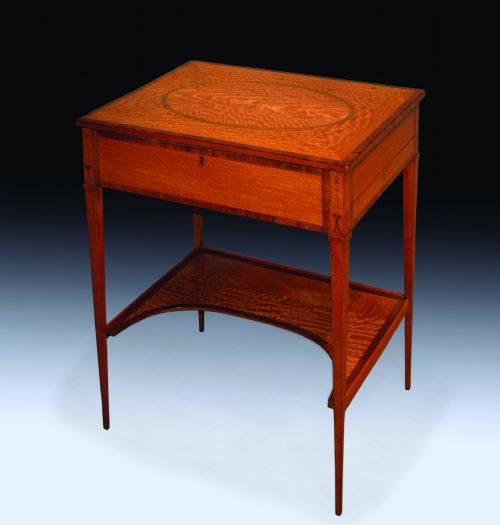
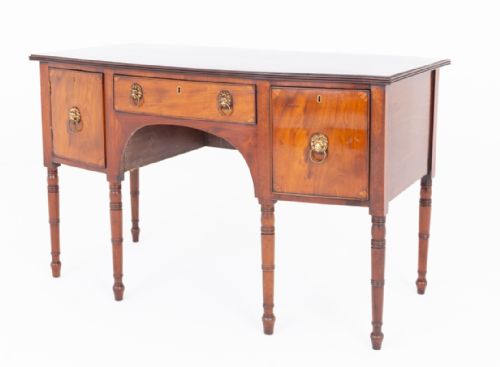


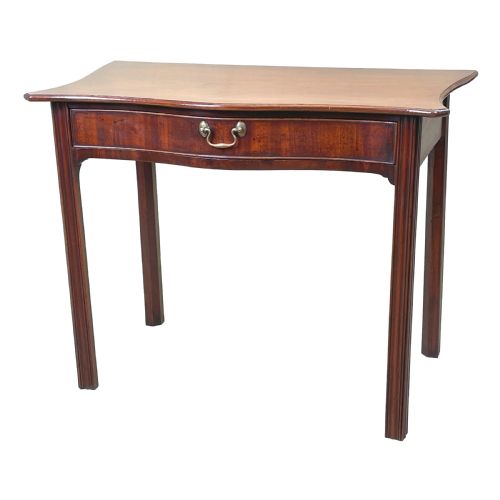
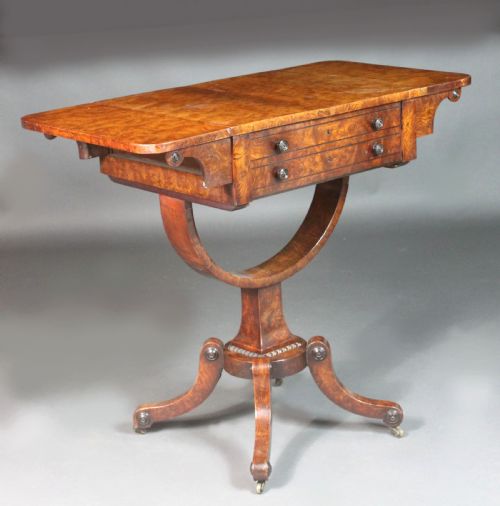


Period Timber Table
A period timber table brings tangible history into a room, offering honest craftsmanship through enduring materials.
Period Timber Table
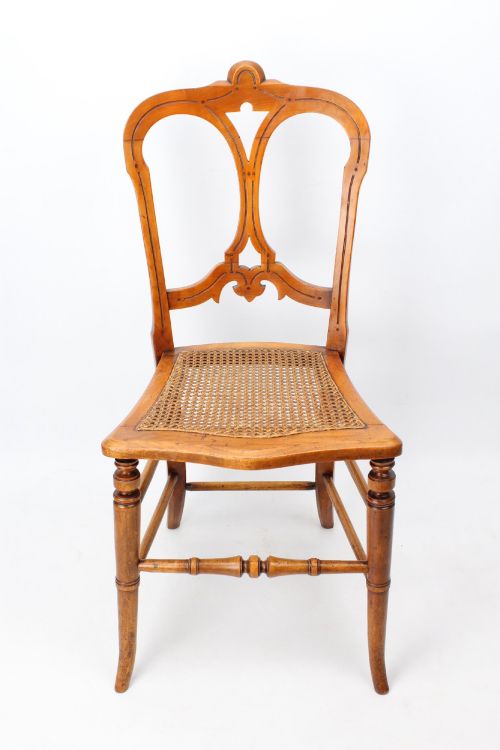
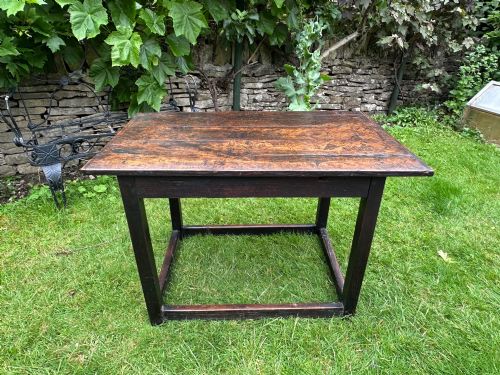
The selections on this page span from seventeenth-century oak through Georgian mahogany and Regency designs up to the Edwardian era.
Forms include side tables, lowboys, console tables, occasional tables, and writing desks produced in British, European, and Asian workshops.
Construction and materials
Cabinetmakers utilised dense timbers such as oak, mahogany, walnut, and satinwood, frequently selecting figured veneers like burr elm or burr ash for decorative surfaces.
Joinery methods relied on traditional pegged joints, dovetails, and hand-turned supports, shaping sturdy hardwoods built to withstand generations of daily use.
Period Timber Table Retail Price Guide 2026
Typical asking prices for period timber table among the pieces listed under this phrase on Sellingantiques today, from the lower quarter to the upper quarter. They describe what is for sale here now, not the wider market.
Distinctions in quality
Quality rests upon the selection of timber grain, the precision of hand-cut joinery, and the integrity of the original construction.
Pieces retaining their uncompromised structural surfaces and authentic patination demonstrate superior craftsmanship compared to heavily restored examples.
The Period Timber Table Glossary
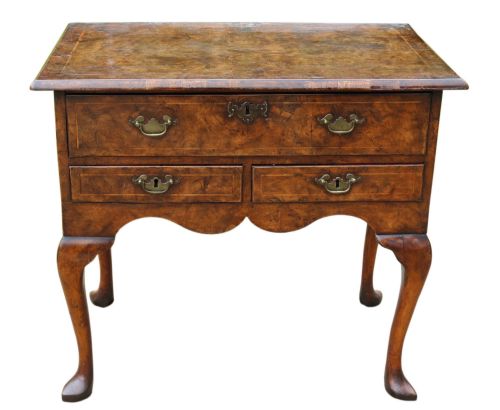
- Lowboy
- A small eighteenth-century dressing table or side table featuring drawers above cabriole or straight legs. These compact pieces were commonly placed in bedchambers.
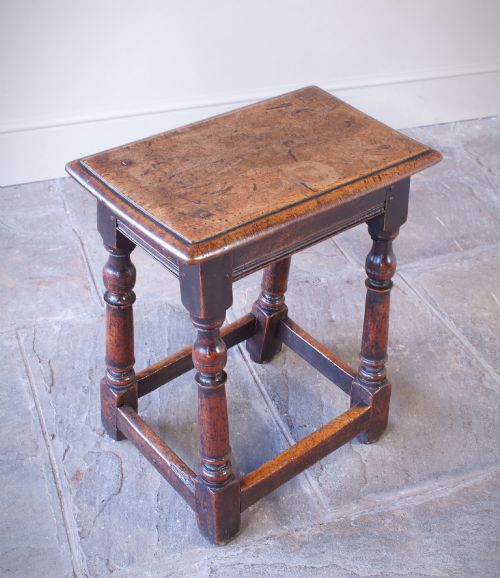
- Joint stool
- A sturdy wooden stool constructed with mortise and tenon joints during the seventeenth century. They provided versatile seating or small tabletop surfaces.
- Satinwood
- A durable, yellowish timber prized for its smooth sheen and often utilised in fine eighteenth-century cabinetmaking. It accepts delicate inlay work exceptionally well.
- Goncalo alves
- A dense exotic hardwood exhibiting rich figuring, sometimes termed zebrawood, utilised in nineteenth-century Regency and William IV furniture.
Period Timber Table: Frequently Asked Questions
How do I date a timber table?
Dating relies on examining the timber species, construction joints, and overall proportions characteristic of specific periods like the Georgian or Regency eras.
Tool marks and the natural ageing of the wood provide further clues to confirm the century of manufacture.
Where should I place a lowboy?
A lowboy suits hallways, living rooms, or bedrooms as a compact surface for lamps or decorative objects.
Its shallow drawers offer practical storage without dominating the surrounding floor space.
How do I care for antique wood?
Maintain antique timber by keeping it away from direct sunlight and sudden temperature changes that cause the wood to split.
Apply natural beeswax periodically to nourish the surface and preserve the historic patina.
What is figured timber?
Figured timber displays distinctive patterns within the grain, such as the swirling texture found in burr elm or burr ash.
Cabinetmakers highlighted these visual irregularities on prominent surfaces to showcase the natural beauty of the material.