





Period Timber Bed
A period timber bed brings solid craftsmanship and rich grain into a bedroom, offering a grounding focal point built to last.
Period Timber Bed
A period timber bed encompasses traditional sleeping furniture ranging from early oak and walnut examples to later revival styles. Buyers searching for a period timber bed encounter forms that span centuries, including grand four-poster structures, simpler double bedsteads, and daybeds.
The pieces listed on this page cover diverse origins and aesthetics, from seventeenth-century coffers to twentieth-century revivals. Walnut, mahogany, oak, and sweet chestnut form the primary structural foundations across these historical examples.
Early century interpretations often draw on Queen Anne, Louis XVI, and Regency traditions, bringing carved details and painted finishes into domestic spaces. The selection moves between robust country pieces and more refined urban cabinet work.
How they were made
Makers utilised dense hardwoods such as oak, mahogany, and walnut, selecting specific cuts to highlight natural grain patterns and burr figures. Joinery relied on traditional framing techniques to ensure structural stability across large dimensions.
Surface decoration involved hand carving, panel moulding, and occasional painted finishes with contrasting brass detailing. Sweet chestnut and beech also appeared in specific regional workshops, worked with hand tools to shape posts and headboards.
Period Timber Bed Retail Price Guide 2026
Typical asking prices for period timber bed among the pieces listed under this phrase on Sellingantiques today, from the lower quarter to the upper quarter. They describe what is for sale here now, not the wider market.
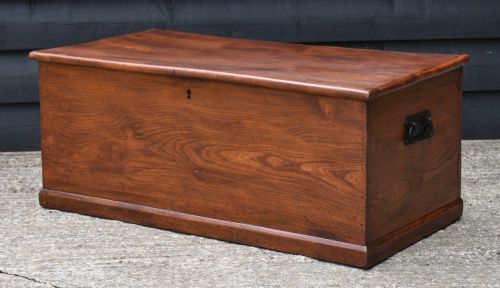
Some seventeenth-century coffers share the room with early twentieth-century iron beds, proving our ancestors appreciated a sturdy place to rest.
What varies in quality
The standard of a piece rests upon the selection of the timber and the crispness of any carved enrichment. Superior examples show thoughtful proportion and harmonious grain matching across prominent panels and headboards.
Construction integrity distinguishes workshop production from standard commercial output, seen in the solidity of joints and the retention of original timber components. Surface patination accumulated through age adds depth that lesser or heavily restored examples lack.
Stanley Webb Davies
The Period Timber Bed Glossary
- Bedstead
- A framework of a bed designed to support a mattress and base. This term often appears in historical listings for wooden sleeping furniture.
- Coffer
- A large chest traditionally used for storage, constructed from solid timber panels. These pieces occasionally share stylistic motifs with contemporary beds.
- Daybed
- A form combining seating and sleeping functions, often featuring raised ends or a backrest. French iterations frequently incorporate painted woodwork and cane inserts.
- Patina
- The surface sheen and colour developed by timber over years of handling and exposure. Collectors value an undisturbed finish that shows age honestly.
Period Timber Bed: Frequently Asked Questions
How do I style a wooden bed today?
Pair a wooden frame with neutral linens and simple textiles to let the grain and carved details command attention in the room.
Mixing historical timber tones with contemporary lighting creates a balanced interior without competing for visual weight.
Are older bed sizes standard?
Historical sleeping furniture often predates modern mattress dimensions, meaning older frames can feature non-standard widths and lengths.
Buyers should check internal measurements carefully before ordering a custom mattress to fit the antique frame.
Can I dismantle these frames easily?
Many older wooden beds utilise traditional bolt systems or knockdown joinery designed for transport between rooms or houses.
Care should be taken with vintage metal bolts and seasoned wood threads during any assembly or disassembly process.
How do I date a wooden bed?
Stylistic clues such as carved mouldings, leg shapes, and turning styles point toward specific periods like the Regency or Queen Anne revivals.
Construction marks, tool traces on hidden surfaces, and the general species of timber also help establish the era of manufacture.