




Period Tier Table
A period tier table brings tiered levels of mahogany or rosewood into a room, offering practical display space with distinctive historic form.
Period Tier Table
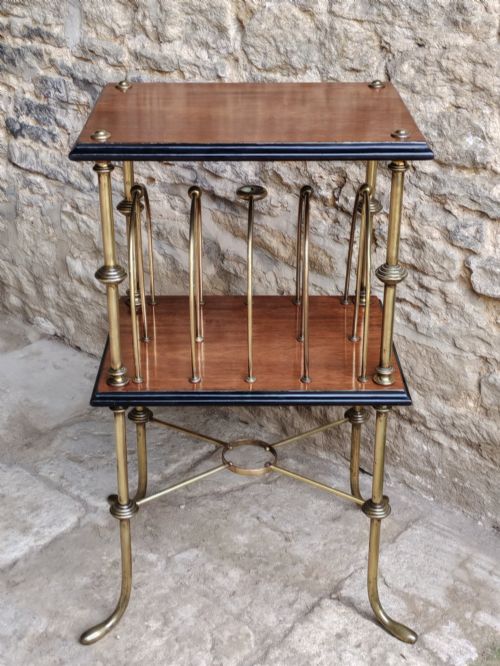
A period tier table spans multi-level designs such as whatnots, etageres, and dumb waiters from Georgian, Regency, and Victorian eras. These items served dining rooms and reception rooms by holding porcelain, books, or serving dishes across multiple levels. Buyers encountering this search phrase find tiered furniture built for utility and display in English and French cabinetmaking traditions.
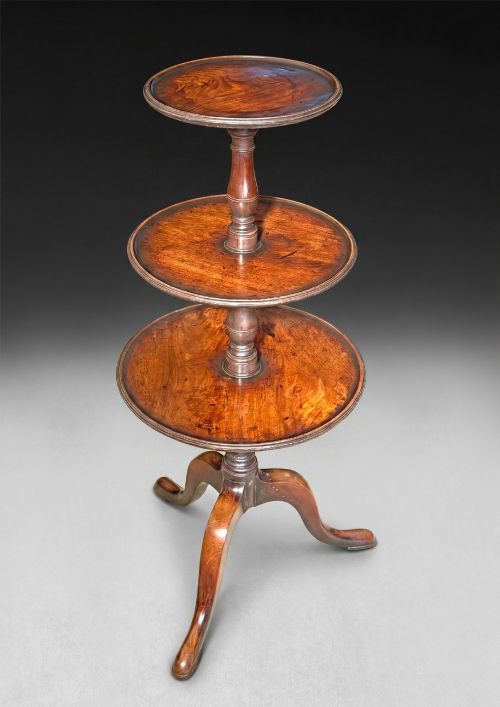
The most common formats on this page are three-tier mahogany dumb waiters and whatnots originating in the late eighteenth and early nineteenth centuries. These pieces utilise stacking platforms supported by turned columns or upright pillars, often incorporating revolving tiers or drop-leaves. Oak, rosewood, and ebonised wood also appear among the occasional and side tables listed here.
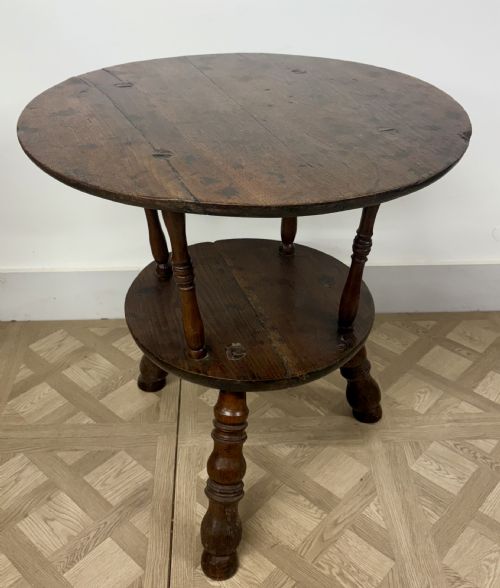
Examples stretch from eighteenth-century cricket tables and George III folding designs to late nineteenth-century Victorian and Aesthetic Movement pieces. Makers and designers produced these multitiered items in formats ranging from compact circular revolving stands to large serving buffets. Every piece maintains the defining characteristic of stacked horizontal surfaces designed to organise a room.
Materials and Construction
Cabinetmakers constructed period tier tables primarily using dense hardwoods like mahogany and rosewood, occasionally incorporating oak for structural framing. Timber selection depended on the required strength for supporting multiple stacked levels without sagging. Workshops also utilised brass for casters, galleries, and inlay details, adding metallic contrast to the timber surfaces.
Techniques relied on traditional joinery to secure upright supports to horizontal shelves or trays, particularly in revolving dumb waiters and folding drop-leaf tables. Marquetry and satinwood banding appeared on select French taste tables, while ebonised wood provided a dark, uniform finish for later nineteenth-century pieces. Turning lathes shaped the central pillars and baluster legs that define the vertical profile of these tier tables.
Period Tier Table Retail Price Guide 2026
Typical asking prices for period tier table among the pieces listed under this phrase on Sellingantiques today, from the lower quarter to the upper quarter. They describe what is for sale here now, not the wider market.
Common object forms include three-tier dumb waiters, whatnots, etageres, and serving tables.
Evaluating Quality and Design
Quality in a period tier table rests on timber grain selection and the crispness of turned supports, distinguishing workshop standards. Superior examples show carefully matched mahogany figures across each tier and solid brass fittings rather than plated base metals. The stability of stacked tiers under weight separates finely engineered pieces from ordinary utility furniture.
Proportion and ingenuity of design further separate the range, such as revolving mechanisms that turn smoothly without lateral play. Uncommon formats like folding octagonal drop-leaves or unusual three-tier configurations indicate higher tier workshop production. The integration of secondary woods and precise inlay work mark the distinction between standard production and top-tier cabinetmaking.
Gillows·John MaClean·EW Godwin
The Period Tier Table Glossary
- Dumb waiter
- A multi-tier freestanding piece of furniture designed to hold food, plates, or drinks without requiring servants present at the table. These often feature revolving circular shelves stacked vertically on a central column.
- Whatnot
- An open set of shelves used for displaying ornaments, books, or porcelain collections in domestic interiors. Originating in the eighteenth century, these items incorporate two or more tiers supported by slender corner posts.
- Etagere
- A French term for a piece of furniture with several open shelves or tiers for displaying small objects. This form shares similarities with the English whatnot and often appears in fine rosewood or marquetry.
- Ebonised wood
- Timber treated with a dark stain or finish to imitate expensive ebony. Victorian cabinetmakers utilised this process to achieve a sleek, uniform black surface.
Period Tier Table: Frequently Asked Questions
What is a period tier table used for?
These tiered tables served various practical functions in historic interiors, from holding dishes beside a dining table to displaying books and porcelain in a drawing room. Multiple levels allowed households to maximise vertical surface area without taking up excessive floor space.
Today, owners utilise them similarly as side tables, bedside stands, or display surfaces for collections. Their tiered construction brings architectural height and structured organisation to modern rooms.
How do I identify a Georgian dumb waiter?
Georgian dumb waiters typically feature two or three circular mahogany tiers graduating in size, mounted on a central turned pillar with tripod legs. Many examples from the late eighteenth century incorporate revolving mechanisms or folding drop-leaves for compact storage.
Look for dense native mahogany, brass castor fittings, and traditional peg joinery beneath the shelves. These structural traits confirm the eighteenth-century manufacturing period associated with George III furniture.
What is the difference between a whatnot and an etagere?
While both terms describe multi-level shelving furniture, whatnot is traditionally the English term for open tier stands used from the Georgian era onward. Etagere often refers to pieces influenced by French design, frequently featuring finer marquetry and decorative timbers.
Both forms provide stacked display surfaces, but etageres lean towards decorative display in salons, whereas whatnots served versatile storage roles across various rooms.
How should I care for a antique mahogany tier table?
Protect the timber surfaces by keeping the table away from direct sunlight and maintaining stable indoor humidity levels to prevent wood movement. Regular dusting with a soft, dry cloth preserves the polished finish without building up unnecessary residues.
Avoid placing damp items directly onto antique wood surfaces and lift the table by its main frame rather than its upper tiers when moving it.