


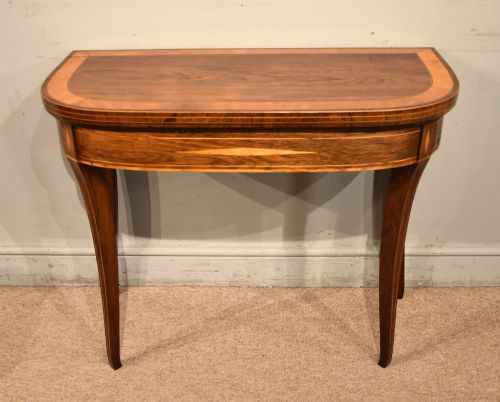
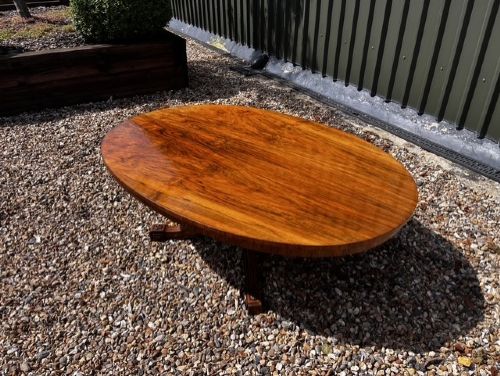
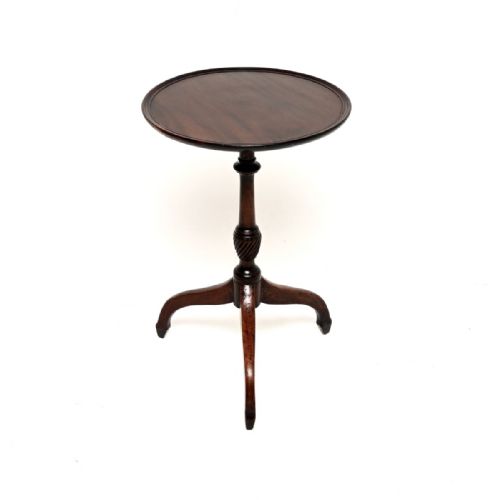
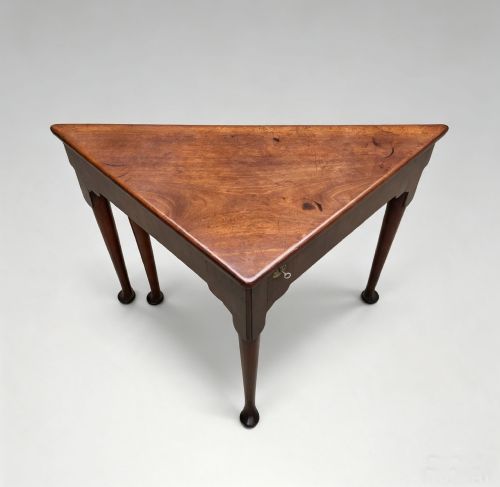
Period Tea Table
A period tea table brings eighteenth and nineteenth century elegance into a room, offering a folding or tilting top designed for hospitality.
Period Tea Table
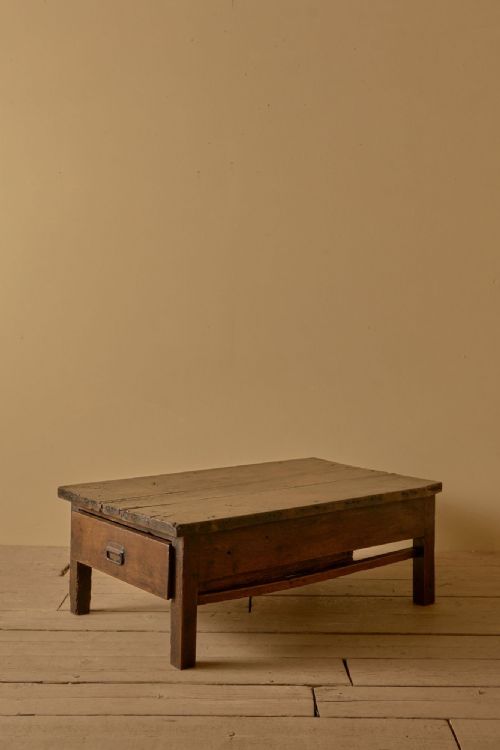
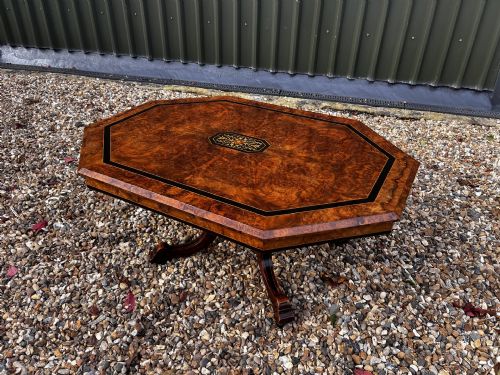
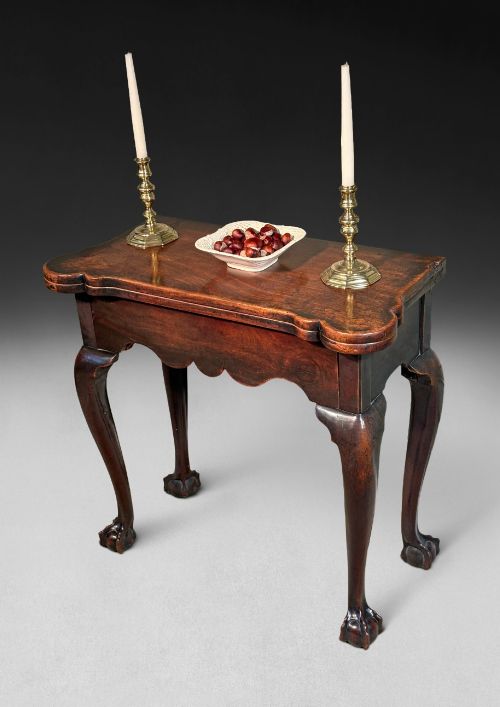
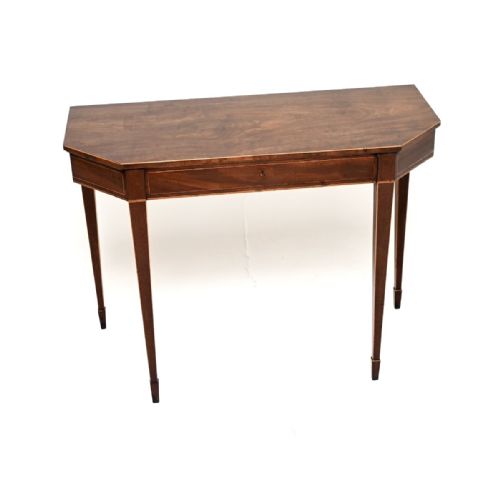
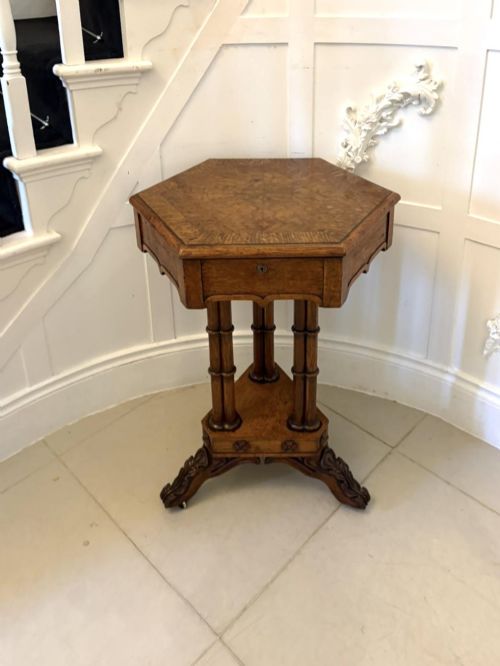
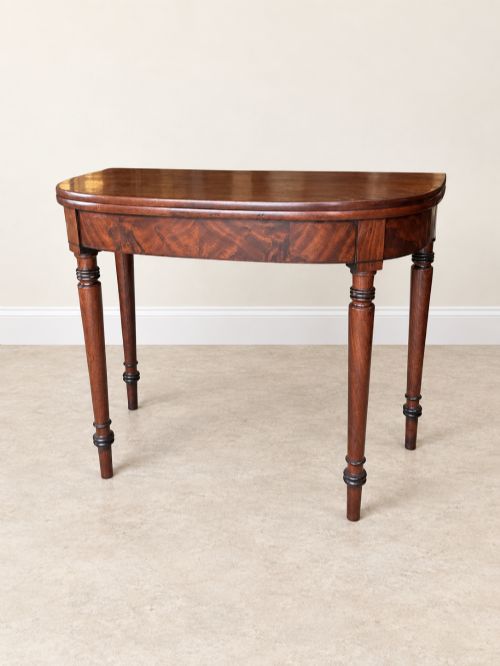
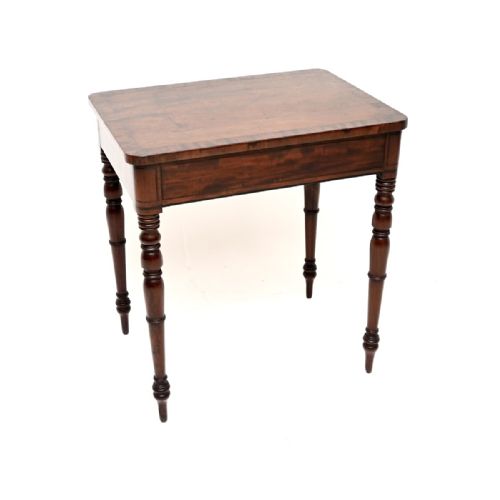
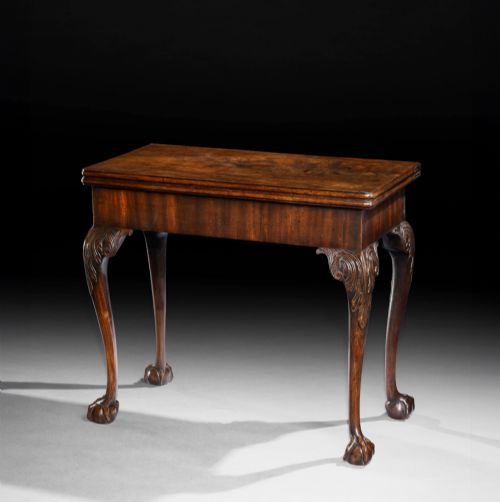
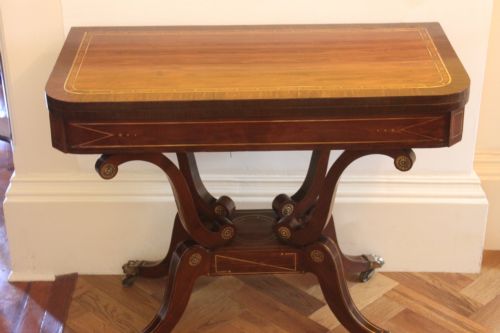
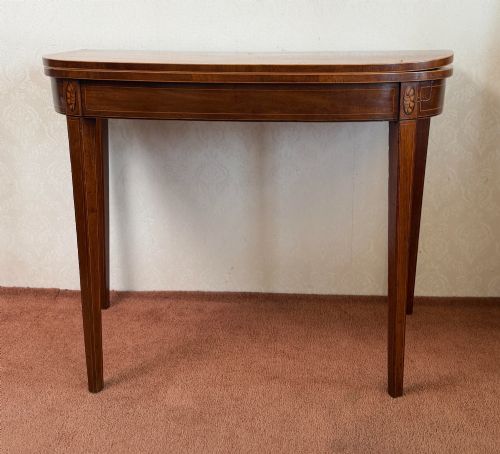
A period tea table is a foundational piece of antique furniture designed primarily for serving tea or hosting guests in the eighteenth and nineteenth centuries. The selections on this page span the Georgian, Regency, and Victorian eras, encompassing formats from the George II period through to the early twentieth century.
The most common forms encountered here include foldover top tables, tilt-top tripod tables, and corner or handkerchief variations. Many pieces double as card tables, game tables, or occasional tables, reflecting the versatile domestic habits of the periods that produced them.
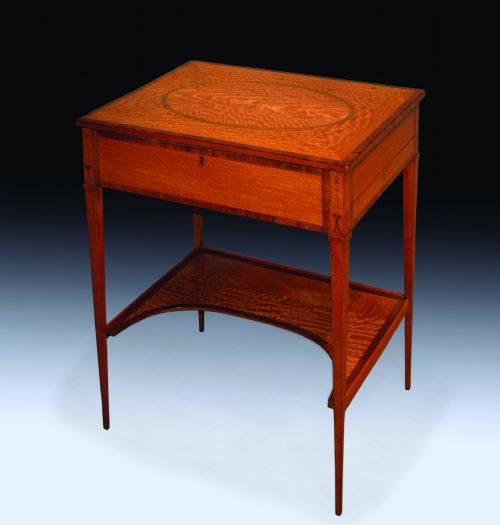
Origins range across English cabinet-making traditions, incorporating Georgian and Sheraton styles alongside Regency rosewood designs and occasional lacquer or traditional Japanese pieces. Buyers often find mahogany and satinwood constructions dominating the offerings, frequently paired with ingenious concertina actions or snap-top mechanisms.
Materials and Technique
Makers constructed these tables primarily in solid mahogany, rosewood, satinwood, and oak, often selecting timbers for prominent natural figuring on the top surface. Secondary woods like beech support internal framing, while boxwood, ebony, and brass inlay provide crisp geometric contrast along the edges and aprons.
Joinery methods rely on traditional cabinet-making techniques, including dovetailing for drawers and precise hinge placement for foldover leaves. Tilt-top and snap-top tables utilise clever pivoting mechanisms and wooden catches, while pedestal bases often feature carved scroll work or brass castors and sabots.
Period Tea Table Retail Price Guide 2026
Typical asking prices for period tea table among the pieces listed under this phrase on Sellingantiques today, from the lower quarter to the upper quarter. They describe what is for sale here now, not the wider market.
Some nineteenth-century tables feature carved wooden dolphin bases, proving that cabinet-makers occasionally enjoyed aquatic company.
Craftsmanship and Timber Selection
Quality separates ordinary utility pieces from exceptional examples through the choice of timber and the crispness of carved detail. Finer tables display richly figured Honduras mahogany or meticulously matched rosewood and satinwood veneers across the entire surface rather than just the primary show areas.
Structural integrity and the precision of mechanical actions define the upper tier of these pieces. Concertina frames that align perfectly when closed, stable tripod bases with undisturbed pivot mechanisms, and delicate brass inlay orOrmolu mounts executed without gaps demonstrate superior workshop standards.
Holland & Sons·Giles Grendey
The Period Tea Table Glossary
- Foldover top
- A hinged wooden surface that doubles the size of the table when opened for tea or card games. This clever design kept the furniture compact against a wall when not in use.
- Tripod table
- A small occasional table supported by a central pillar and three spreading legs. Many feature a tilt-top mechanism to store flat against the perimeter of a room.
- Concertina action
- An expanding frame mechanism used on card and tea tables that extends outwards on multiple hinged sections. It supports all four corners evenly when the top is unfolded.
- Snap top
- A spring-loaded or sliding wooden catch beneath the tabletop that locks a tilt-top surface securely into a horizontal position. It allows the table to pivot upright for storage.
- Brass sabot
- A decorative metal sleeve fitted over the foot of a table leg to protect the timber from wear and moisture. They appear frequently on Regency pedestal bases.
Period Tea Table: Frequently Asked Questions
What is a period tea table used for?
These tables served primarily for the formal ritual of serving tea in eighteenth and nineteenth-century parlours. Their foldover or tilt-top designs allowed them to sit flat against a wall when not in use.
In modern rooms, buyers utilise them as side tables, console surfaces, or display areas for decorative objects. Their compact footprints suit entrance halls and sitting rooms alike.
How do I tell a Georgian tea table from a Regency one?
Georgian tables, particularly from the George II and George III periods, frequently feature solid mahogany, carved tripod bases, or restrained fretwork in the Chippendale style. Their lines tend to be classic and architecturally proportioned.
Regency pieces often introduce exotic timbers like rosewood and amboyna, alongside brass inlay, sabots, and heavier scroll pedestals or carved dolphin bases. The aesthetic shifts toward bolder contrast and classical revival motifs.
Are these tables sturdy enough for daily use?
Period tables were built by skilled cabinet-makers using dense hardwoods like mahogany and oak, making them durable for everyday placement in a home. Careful timber selection ensures the joints remain stable over centuries.
Care should be taken with folding leaves and tilt-top mechanisms to avoid straining the original hinges and pivots. Using coasters protects fragile polished veneer surfaces from moisture.