

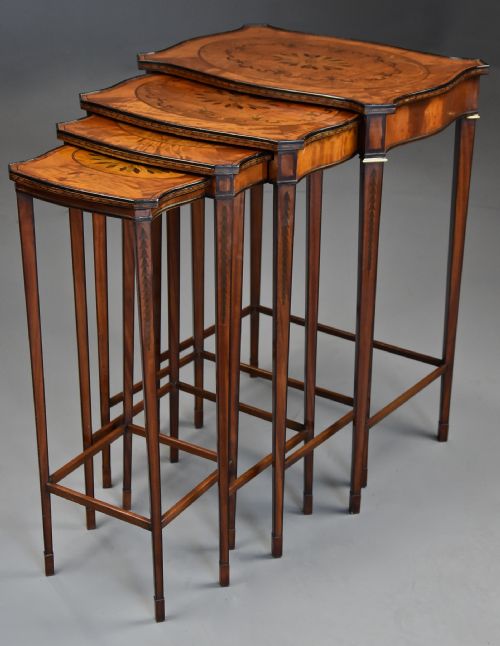
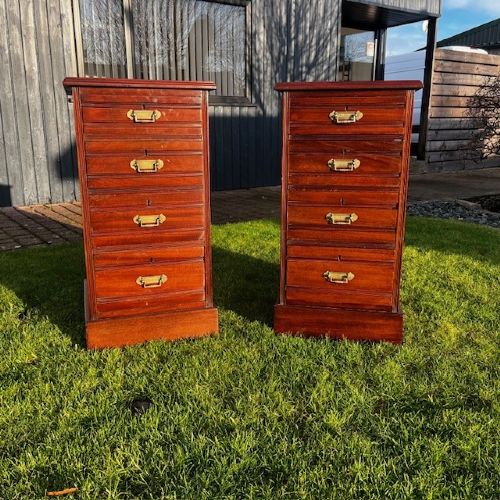


Period Style Side Tables
Period style side tables bring historical character to a room, offering compact surfaces rooted in eighteenth and nineteenth-century design.
Period Style Side Tables
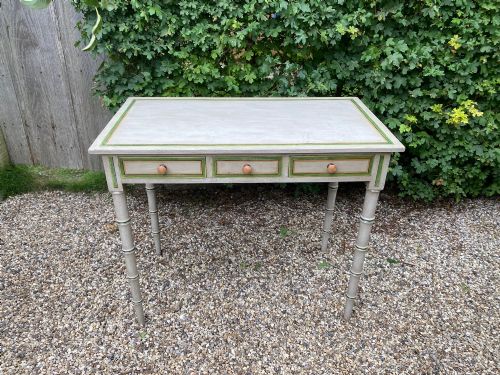
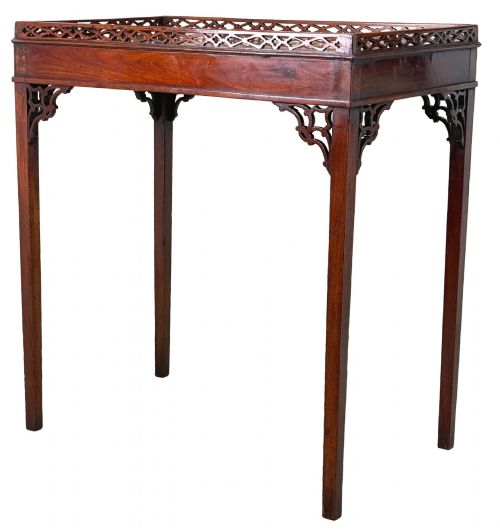
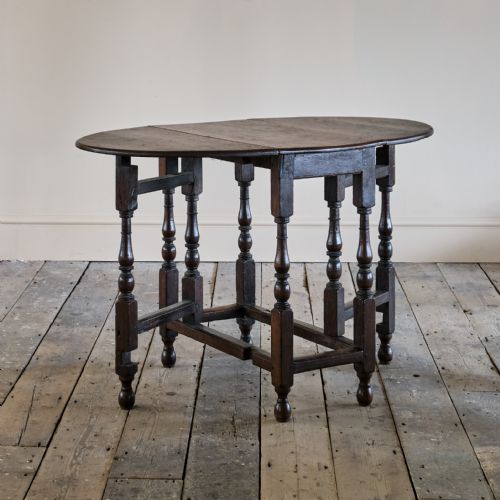
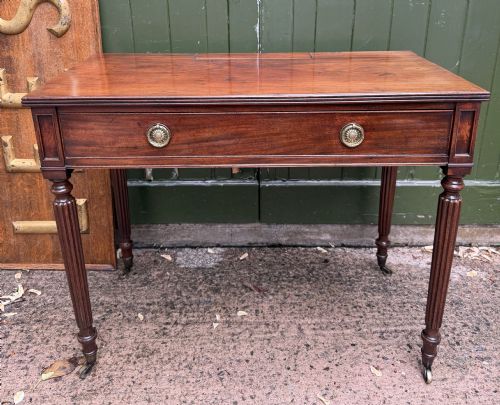
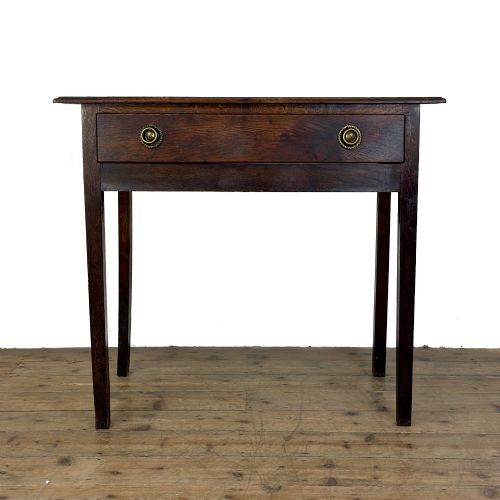
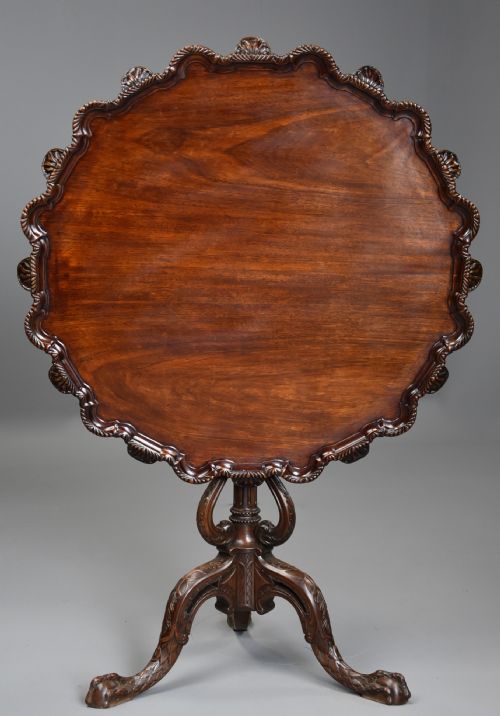
You are most likely to meet mahogany and oak examples from the eighteenth and nineteenth centuries, including tripod tables, pembroke tables, and lowboys. Makers of later revival pieces often drew heavily on these earlier forms, incorporating marquetry, painted finishes, and brass hardware. Occasional tables and bedside chests represent the most common formats available within this category.
How they were made
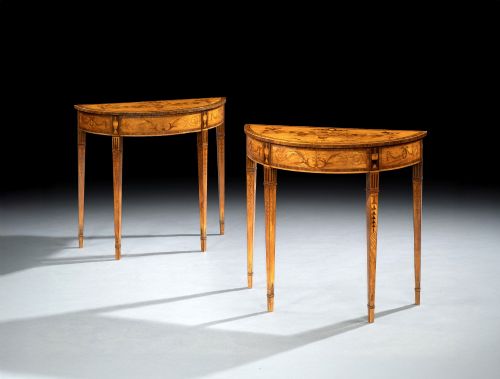
Cabinet makers utilised dense hardwoods such as mahogany, oak, rosewood, and walnut, often applying decorative veneers of satinwood, harewood, and olive. Marquetry and inlay required precise hand-cutting of contrasting timbers and shell motifs to adorn table tops and friezes. Secondary woods provided structural stability to drawers and internal frames.
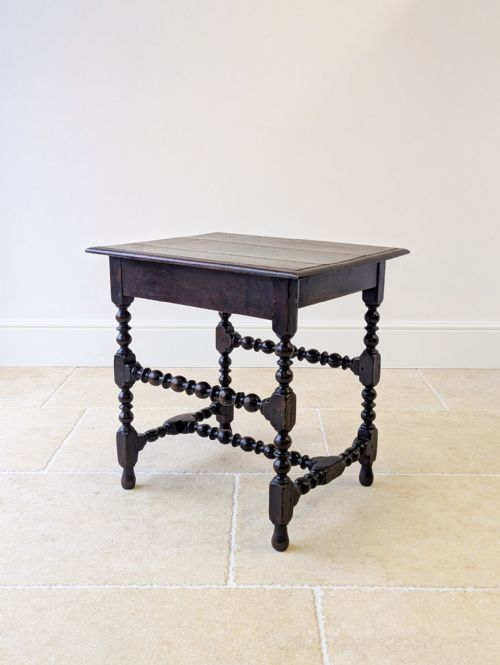
Construction techniques relied on traditional joinery like dovetails for drawers and mortise and tenon joints for frames. Turning lathes produced bobbin-turned and tapered legs, while brass castors and handles added both mobility and ornamentation. Surface finishes typically involved hand-applied French polish or wax to highlight the natural grain of the wood.
Some nineteenth-century sewing tables hide compartments designed specifically for spools, needles, and secret ribbon drawers.
What varies in quality
The distinction between standard and superior pieces rests on the choice of timber and the precision of the cabinet work. Finer examples display carefully matched veneer grains and intricate, cleanly executed marquetry rather than stamped or printed decoration. Hand-cut dovetailing and original brass fittings indicate a higher standard of manufacture.
Proportion and decorative restraint dictate the desirability of a piece. Tables retaining their original untreated surfaces, patination, and structural integrity command greater attention than those with heavy restoration or replaced components.
Gillows of Lancaster
The Period Style Side Tables Glossary
- Demi-lune
- Half-moon shape, commonly describing the flat-backed, curved-front profile of console and side tables designed to stand flush against a wall.
- Lowboy
- A small seventeenth or eighteenth-century dressing or side table featuring one or more rows of drawers beneath the flat top.
- Tripod table
- A small occasional table supported by a central pillar resting on three spreading legs, frequently incorporating a tilt-top mechanism.
- Marquetry
- The art of forming decorative patterns by fitting together thin veneers of various woods, metals, or shells onto a solid substrate.
- Gateleg table
- A drop-leaf table featuring hinged legs that swing outward to support the raised flaps on either side.
Period Style Side Tables: Frequently Asked Questions
Where should I place a side table?
These pieces suit living rooms, hallways, and bedrooms where surface space is needed without blocking walkways. They fit neatly beside seating or against empty wall spaces.
Console and pier tables work well in entryways beneath mirrors, while smaller tripod and pembroke tables function effectively next to armchairs or sofas.
How do I identify a Georgian table?
Georgian pieces, produced roughly between the early eighteenth and early nineteenth centuries, often feature mahogany or oak with restrained carving. Look for distinct regional styles associated with cabinet makers of that era.
Details such as hand-cut drawer dovetails, patinated timber surfaces, and classical motifs like ball and claw feet help distinguish authentic examples from later revivals.
What is the difference between a console and a side table?
Side tables typically stand independently on four legs and can be placed anywhere in a room. Console tables are generally designed to be fixed to or placed directly against a wall.
Console tables frequently include decorative brackets or legs concentrated at the front, whereas side tables offer all-round stability for freestanding use.
Can I use an antique table daily?
Most period tables were built for practical domestic use and handle normal daily activities well. Proper care ensures they remain functional household items.
Using coasters and avoiding direct heat or moisture protects the antique wood and polished finishes from water rings and surface damage.