




Period Style Bureau
Period style bureau options bring refined writing spaces and secret compartments into a room, offering genuine historic character.
Period Style Bureau
A period style bureau provides a dedicated writing surface alongside concealed drawers and pigeonholes, often paired with upper bookcases or designed as compact chamber tables. These pieces span Georgian, Regency, and Edwardian eras, reflecting changing domestic habits across the eighteenth and nineteenth centuries.
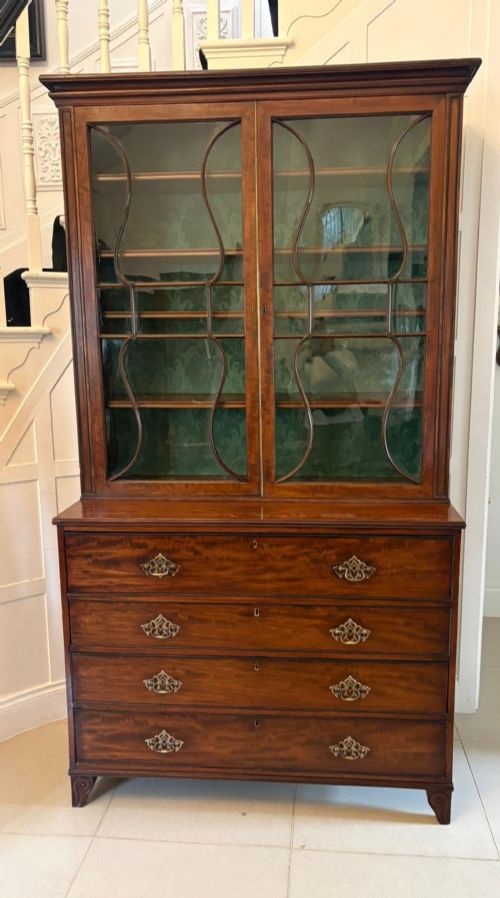
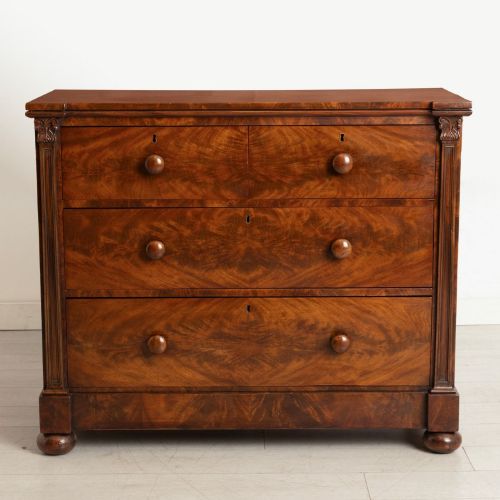
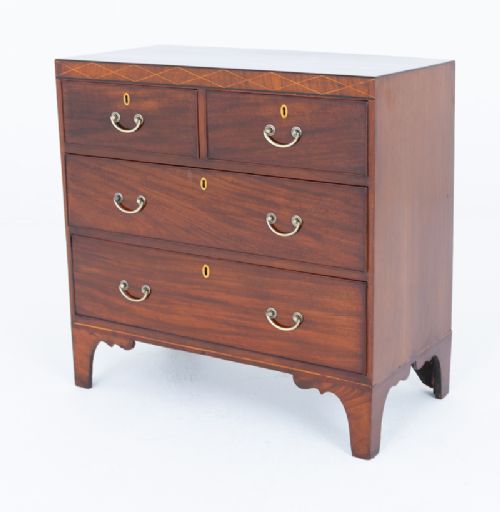
The selections encountered here range from compact mahogany cabinets attributed to Gillows to painted Swedish writing desks and larger Georgian secretaire bookcases. Oak and flame mahogany veneer provide the primary structural foundation for these historic forms.
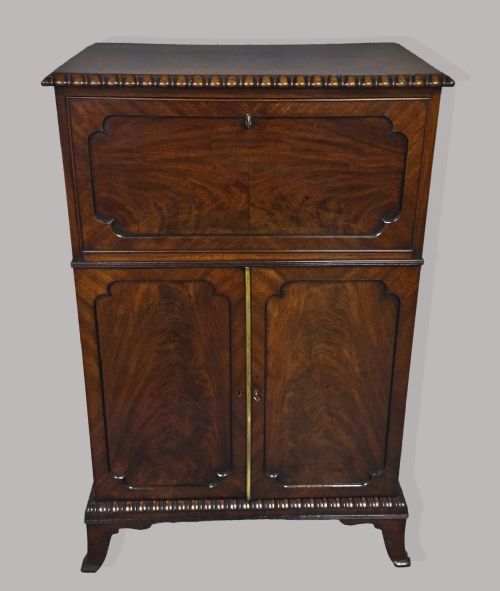
Buyers frequently encounter variants that combine a fold-down writing flap with functional drawers beneath, or tall library bookcases featuring glazed upper doors. Each configuration demonstrates distinct regional tastes, from British mahogany craftsmanship to continental painted finishes.
Construction and materials
Makers utilised solid timbers like oak and mahogany, often applying figured flame mahogany veneers to primary surfaces to create striking grain patterns. Brass handles, escutcheons, and glass panes complete the construction of upper bookcases and fitted interiors.
Cabinetmakers employed traditional joinery techniques to build durable carcases and fitted pigeonholes, ensuring internal writing compartments operated smoothly. Painted finishes on pine or mixed woods appear on continental pieces, showing alternative decorative traditions of the period.
Period Style Bureau Retail Price Guide 2026
Typical asking prices for period style bureau among the pieces listed under this phrase on Sellingantiques today, from the lower quarter to the upper quarter. They describe what is for sale here now, not the wider market.
Secret drawers hidden behind dummy pigeonholes remind us that past owners loved a private hiding place for love letters.
Evaluating craftsmanship and proportion
Quality rests in the precision of the internal fitted compartments, the selection of figured veneer timbers, and the harmony of overall proportions. Pieces showing refined secondary woods and careful attention to brass hardware sit at the upper end of the range.
The integrity of the original construction, including the stability of fold-down writing flaps and the clarity of glazed cabinet doors, distinguishes superior examples. Cabinetmakers who achieved balanced small proportions while maintaining full internal utility demonstrated high technical skill.
Gillows·Thomas Hope
The Period Style Bureau Glossary
- Secretaire
- A cabinet or desk featuring a concealed writing drawer or a drop-front desk flap that opens to reveal fitted drawers and pigeonholes. This form allows a piece of furniture to serve multiple domestic functions without sacrificing floor space.
- Flame mahogany veneer
- A thin slice of mahogany timber cut from the fork of the tree where branches join the trunk, producing a distinctive flickering flame pattern. Cabinetmakers applied this veneer to prominent drawer fronts and writing surfaces.
- Glazed doors
- Cabinet doors fitted with glass panes, allowing books or display items to remain visible while protected from dust. These doors often feature wooden tracery or muntins arranged in geometric patterns.
- Fitted interior
- The arrangement of small drawers, pigeonholes, and central compartments concealed behind a desk flap or secretaire drawer. This internal architecture provides specialised storage for correspondence and valuables.
Period Style Bureau: Frequently Asked Questions
How were these desks used?
Owners used these desks for private correspondence, managing household accounts, and storing important documents within secure internal drawers. The fold-down flap provided a stable leather-lined or wood writing surface.
When not in use, the writing flap closed to hide letters and writing implements, keeping the room tidy. Upper bookcase sections allowed owners to display valued libraries behind glass doors.
How do I identify a Georgian bureau?
Georgian pieces typically display robust mahogany construction, traditional bracket feet or ogee bracket feet, and solid brass hardware. The internal pigeonholes often feature curved partitions and secret compartments.
Proportions tend to be architectural and balanced, reflecting the classical design influences of the eighteenth century. Secondary woods inside the drawers usually include oak or pine rather than modern substitutes.
Where should I place a bureau?
These pieces suit studies, libraries, living rooms, and large hallways where their compact footprint provides useful surface area without dominating the floor. Ensure adequate clearance in front of the piece for the drop-front writing flap to open fully.
Keep wooden furniture away from direct heat sources and strong sunlight to protect mahogany finishes and flame veneers from drying out or fading over time.