



Period Storage Press
These period storage press examples span centuries of master woodworking, offering substantial capacity and genuine historical character for traditional interiors.
Period Storage Press
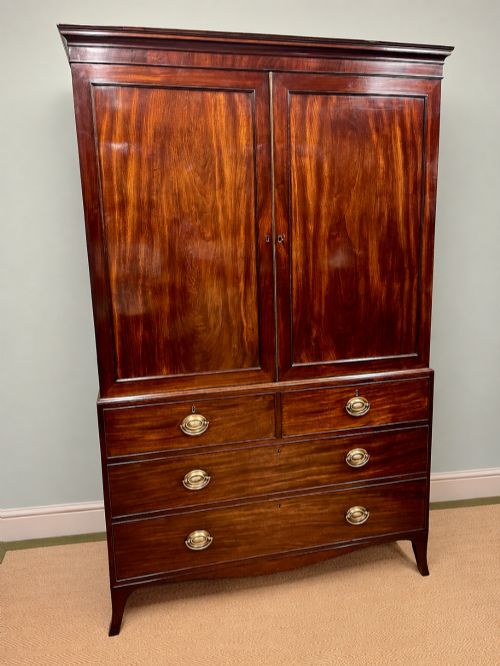
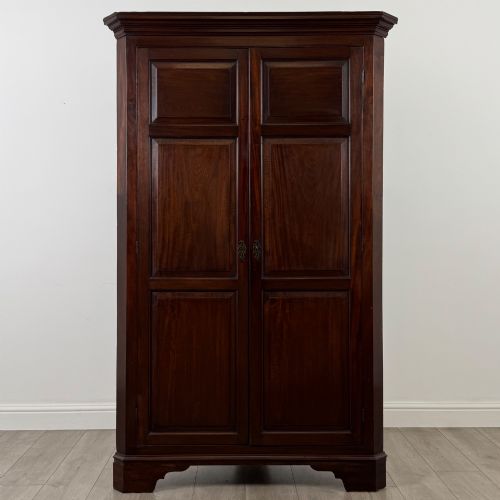
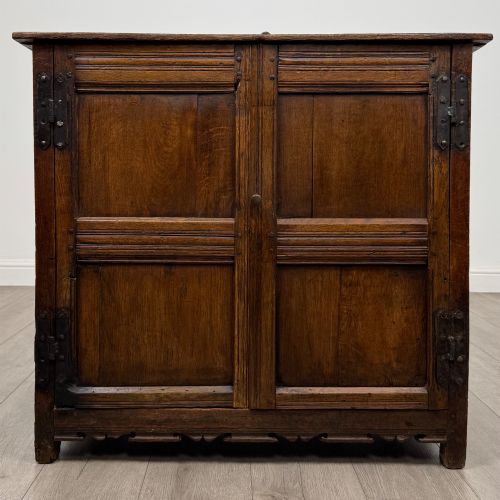
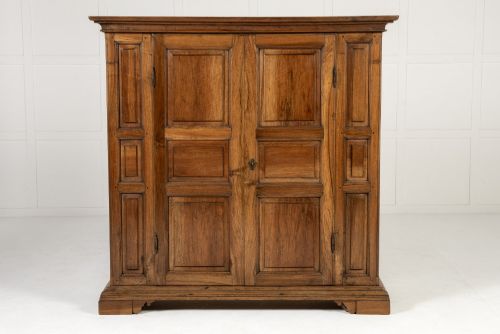
A period storage press unites utility with architectural presence, taking forms such as housekeeper cupboards, linen presses, court cupboards, and cabinets on stands. You will encounter robust oak constructions from earlier centuries alongside refined mahogany and walnut pieces from the Georgian and Regency eras.
Early iterations lean heavily on solid oak with carved detailing, whereas later Georgian and Regency designs utilise rich mahogany veneers and satinwood stringing. Each piece reflects the aesthetic priorities and woodworking capabilities of its specific decade of production.
Construction materials and techniques
Makers relied on native timbers like oak and walnut for early structural integrity, later transitioning to imported mahogany for sophisticated urban commissions. Surfaces frequently showcase oyster veneers, intricate boxwood inlay, or later painted finishes applied over original timber.
Cabinetmakers joined heavy timbers using traditional pegged mortise and tenon joints, ensuring structural stability for large wardrobes and linen presses. Brass and iron hardware, including hinges and escutcheons, completed the assembly, while wrought iron reinforced internal framework where necessary.
Period Storage Press Retail Price Guide 2026
Typical asking prices for period storage press among the pieces listed under this phrase on Sellingantiques today, from the lower quarter to the upper quarter. They describe what is for sale here now, not the wider market.
Some estate cupboards still bear the faint, phantom ghosts of old spice stains and dried lavender tucked behind their sturdy oak panels.
Distinguishing quality across examples
Superior execution shows in the careful selection of timber figures, such as plum pudding mahogany or patterned walnut oyster veneers, matched symmetrically across large surfaces. The crispness of hand-carved mouldings and the harmonious proportions of cornices and paneling separate exceptional commissions from utilitarian workshop output.
Internal configuration and drawer construction demonstrate the maker's dedication to utility and durability, utilising secondary woods and hand-cut joinery. Preservation of original brass hardware, surface patination, and structural integrity without excessive timber replacement maintain the historical value of the piece.
The Period Storage Press Glossary
- Linen press
- A large wardrobe-style cabinet specifically designed with upper sliding trays or shelves for storing household linens and garments. These pieces often feature a chest of drawers base beneath cupboard doors.
- Court cupboard
- An early style of enclosed storage furniture, typically constructed in oak and featuring recessed upper sections supported by carved columns. They originated to display plate and store provisions in great houses.
- Oyster veneer
- Circular pieces of wood cut transversely from small branches or roots, arranged in patterns resembling oyster shells. This technique creates decorative surface movement on walnut and other cabinet fronts.
- Housekeeper cupboard
- A large utilitarian storage unit used in large estates for organising provisions, china, and household stores. They usually combine upper shelving with deep lower drawers or cupboards.
- Pediment
- The architectural crown or decorative structure surmounting the top of a cabinet or press. Common variations include swan-neck and broken-pediment designs on late eighteenth-century furniture.
Period Storage Press: Frequently Asked Questions
What is a period storage press?
A period storage press is a large wooden cabinet or cupboard built before the twentieth century to store household linens, clothing, or provisions.
These pieces range from early carved oak court cupboards to refined mahogany linen presses from the Georgian and Regency eras.
How were linen presses used?
Linen presses were used in large households to keep freshly laundered textiles flat and protected from dust and pests.
The upper section typically contained sliding shelves or trays for folded linen, while the lower drawers held bulkier garments and accessories.
How do I fit a large press into a modern room?
Large storage presses require careful placement against a sturdy wall with adequate clearance for opening doors and pulling out internal drawers.
Their substantial presence makes them ideal focal points in bedrooms, hallways, or dining spaces where they provide both display surface and deep storage.