

Period Storage Cupboard
A period storage cupboard brings architectural gravity and practical depth to a room, offering timeless timber surfaces built for centuries of utility.
Period Storage Cupboard
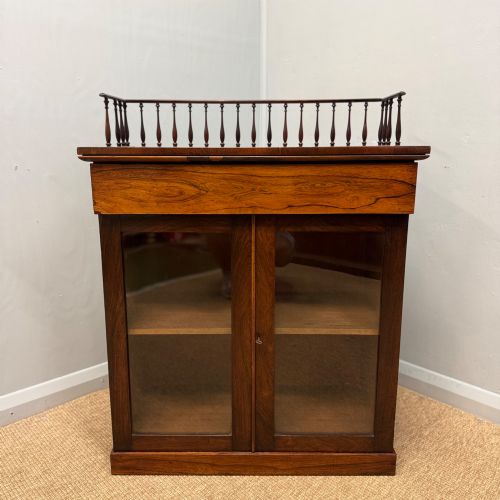
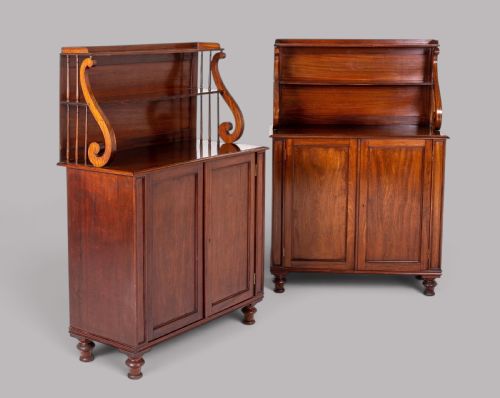
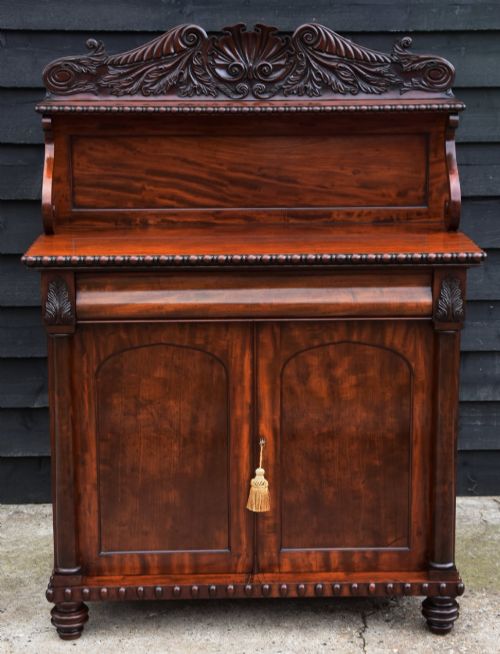
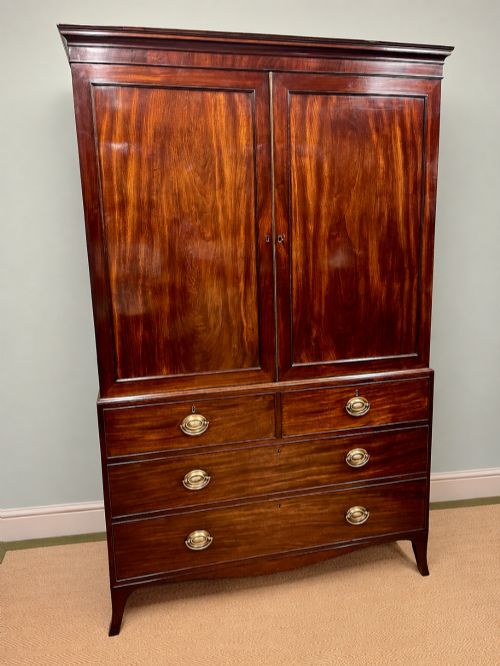
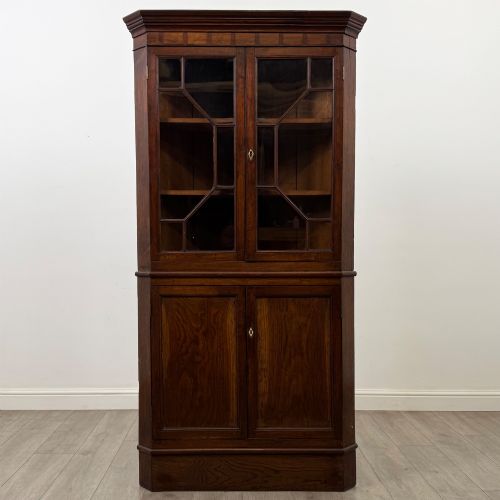
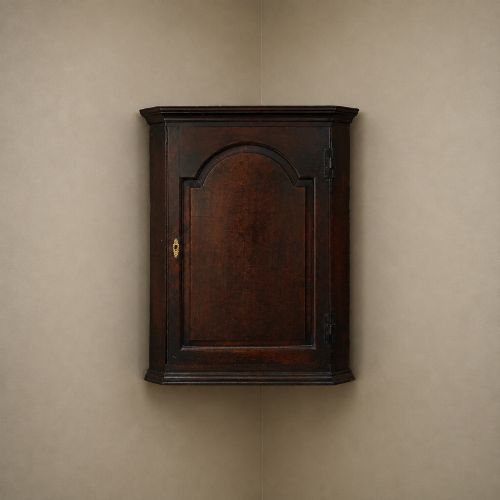
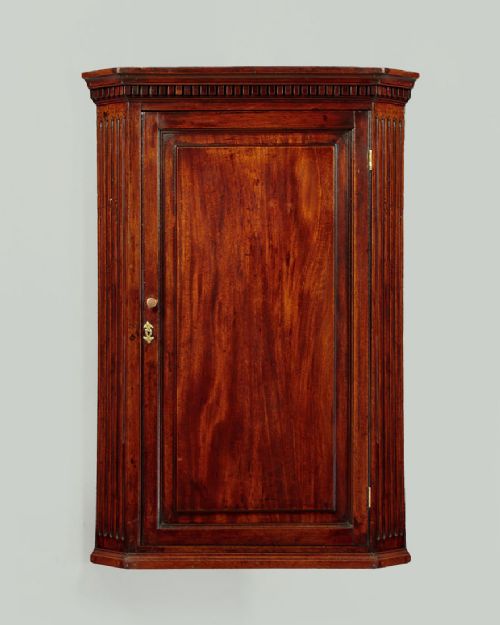
A period storage cupboard encompasses a diverse range of forms, from compact corner units and wall-hanging cabinets to substantial linen presses and chiffoniers. These pieces emerge across distinct historical eras, spanning Georgian domestic spaces, Regency parlours, and provincial French interiors.
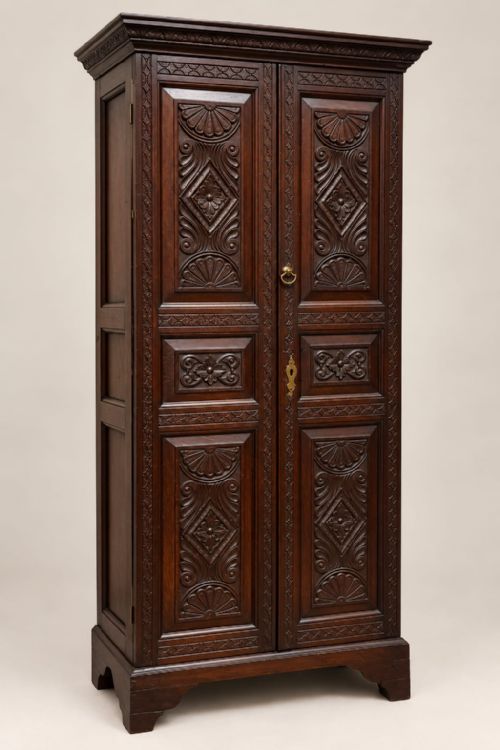
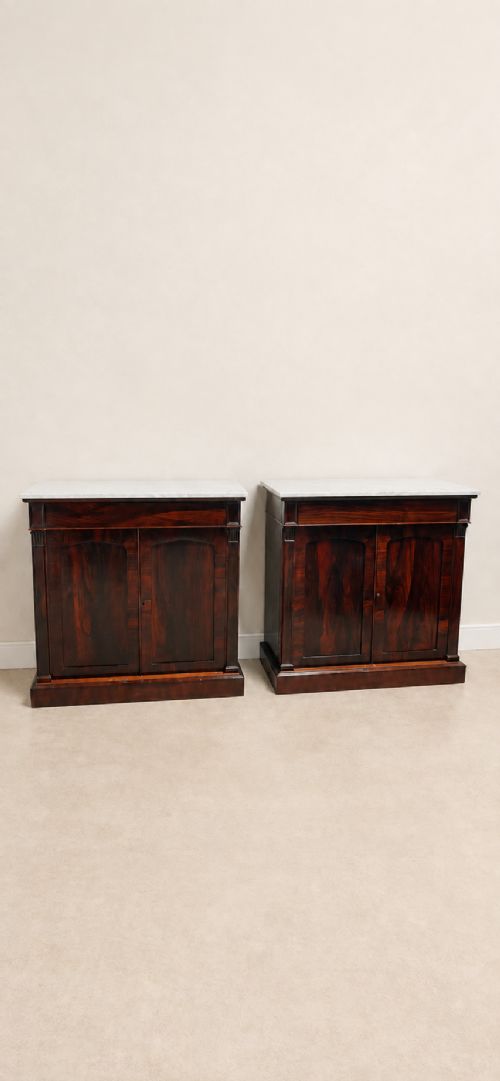
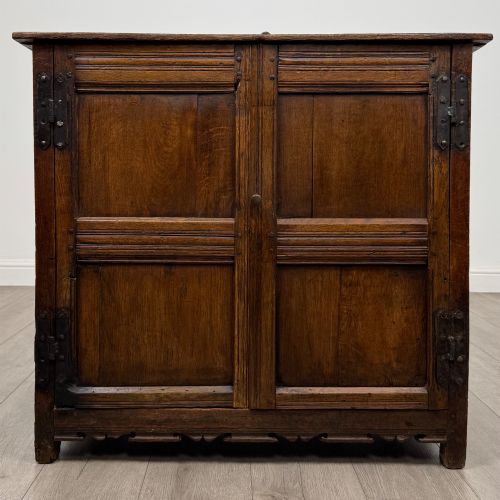
Buyers seeking a period storage cupboard will most frequently encounter sturdy oak examples from the eighteenth century alongside refined mahogany and rosewood pieces from the Regency epoch. Regional variations extend to Japanese elm and keyaki tansu chests, offering alternative architectural profiles in timber.
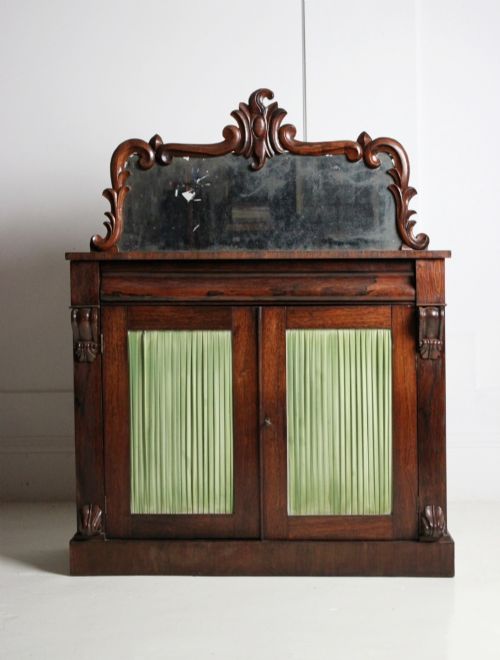
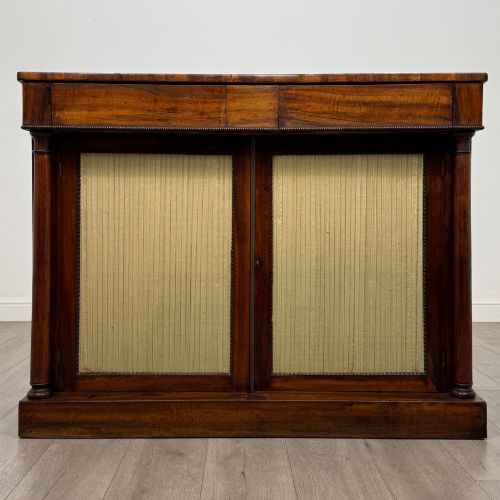
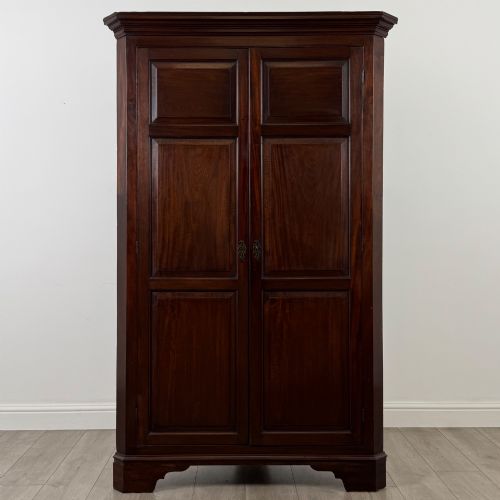
Floor-standing side cabinets and corner cupboards dominate the domestic utility role, designed originally to house linens, china, or provisions in country houses and town residences alike. The survival of interior shelving, brass hooks, and silk-panelled doors marks the distinction between original domestic function and later adaptation.
Materials and Construction
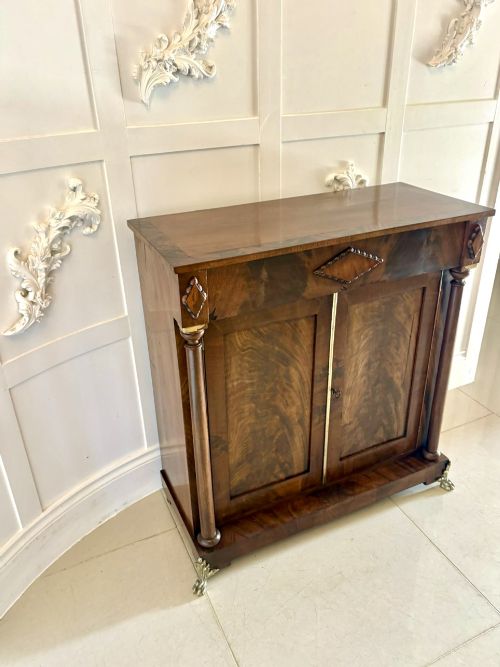
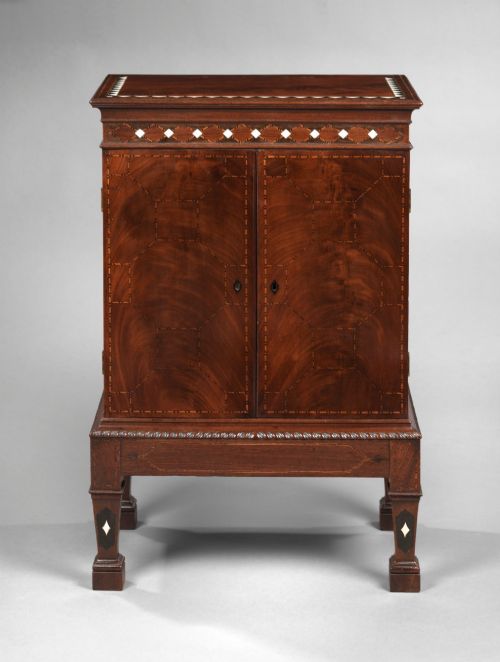
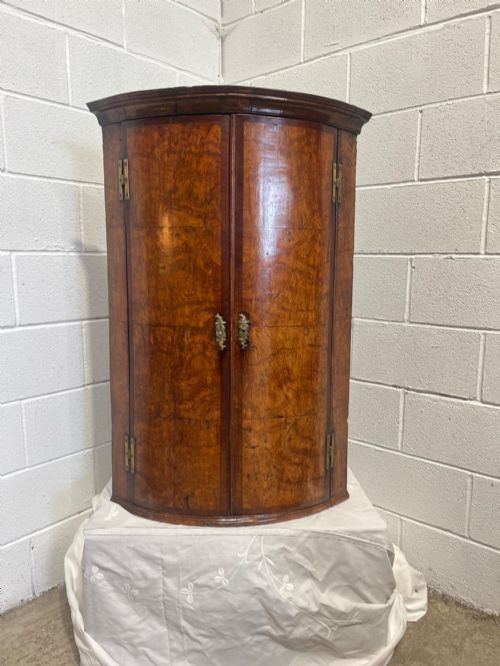
Timber selection dictates the structural integrity and visual weight of these cabinets, with native oak, dense mahogany, and exotic rosewood dominating the primary surfaces. Cabinet makers utilised figured veneers, flame mahogany, and burr oak to create dramatic grain patterns on principal doors and drawer fronts.
Joinery methods rely on traditional pegged mortise and tenon frames for early oak carcasses, transitioning to finely dovetailed drawer construction in later Georgian and Regency workshops. Secondary timbers such as pine and deal commonly form internal shelving and backboards, remaining hidden beneath primary hardwood facades.
Decorative embellishments integrate functional hardware, incorporating cast brass drop handles, escutcheons, and occasional gilt decoration to accent dark rosewood or simulated surfaces. Specialised additions include pleated silk panels and brass inlay, reflecting the interior tastes of the Regency period.
Period Storage Cupboard Retail Price Guide 2026
Typical asking prices for period storage cupboard among the pieces listed under this phrase on Sellingantiques today, from the lower quarter to the upper quarter. They describe what is for sale here now, not the wider market.
Some nineteenth-century cabinets hide secret compartments behind dummy drawer fronts, designed for storing family silver away from prying housemaids.
Gradations of Excellence
The sophistication of the timber figure and the precision of the veneer matching separate utilitarian storage from exceptional cabinet work. Flame mahogany and burr oak selections demonstrate superior material grade through uninterrupted grain flow across multiple doors or drawers.
Structural integrity depends on the original state of the carcass, the retention of period backboards, and the minimal replacement of internal fittings. Cabinets retaining original brass locks, hinges, and working keys hold greater integrity than those altered with modern substitutes.
Subtlety of carving and proportion governs the aesthetic rank of a piece, distinguishing provincial work from metropolitan London production. Crisp mouldings and well-balanced door panels indicate the disciplined hand of a skilled workshop.
The Period Storage Cupboard Glossary
- Chiffonier
- A low cabinet featuring shelves or enclosed storage, developing in the early nineteenth century for drawing room utility. These pieces often incorporate glazed or fabric-panelled doors.
- Linen Press
- A tall piece of furniture designed for storing folded textiles, combining upper cupboard doors with lower drawer storage. They frequently utilise sliding trays internally.
- Tansu
- A traditional Japanese mobile storage chest constructed from keyaki or elm, featuring iron hardware and locking mechanisms. These cabinets served merchant and domestic functions.
- Figured Mahogany
- Timber cut to reveal distinct grain patterns such as flame, fiddleback, or feather formations. Cabinet makers prized these boards for principal display surfaces.
- Corner Cupboard
- A space-saving cabinet built with an angled footprint to fit room intersections, produced in both wall-hanging and floor-standing formats.
Period Storage Cupboard: Frequently Asked Questions
How do I date a wooden storage cupboard?
Dating relies upon examining construction techniques, timber species, and stylistic hardware conventions visible across different eras. Eighteenth-century examples frequently show pegged oak joinery, while nineteenth-century pieces utilise machine-sawn backing boards and rosewood veneers.
Secondary woods inside drawers also offer clues, as oak and ash give way to deal and pine in later periods. Original locks and brass handles provide further benchmarks for establishing the manufacturing decade.
Where should I place a corner cupboard?
These cabinets suit empty room junctions where standard rectangular furniture creates awkward gaps. Wall-hanging versions anchor well above side tables, whilst floor-standing units utilise dead vertical space efficiently.
Ensure the wall angles match the cabinet carcass precisely before hanging wall-mounted examples. Positioning them away from direct sunlight protects vulnerable rosewood and mahogany finishes from fading.
What is a linen press used for today?
Modern interiors utilise linen presses for wardrobe overflow, storing folded jumpers, bedding, or towels within the interior sliding trays. The lower drawer chest functions identically to a standard chest of drawers for garments.
Removing internal trays occasionally allows owners to convert the upper cabinet into a wardrobe space. However, preserving the original configuration maintains the historical integrity of the piece.
How do I maintain antique timber cabinets?
Protect antique wood by maintaining stable room humidity and avoiding placement near heat sources that cause timber to split. Regular dusting with a dry, soft cloth prevents particulate accumulation without introducing moisture.
Occasional application of traditional beeswax feeds the polish and protects the grain without sealing the surface permanently. Avoid modern silicone sprays, which penetrate open pores and damage historical French polish.