


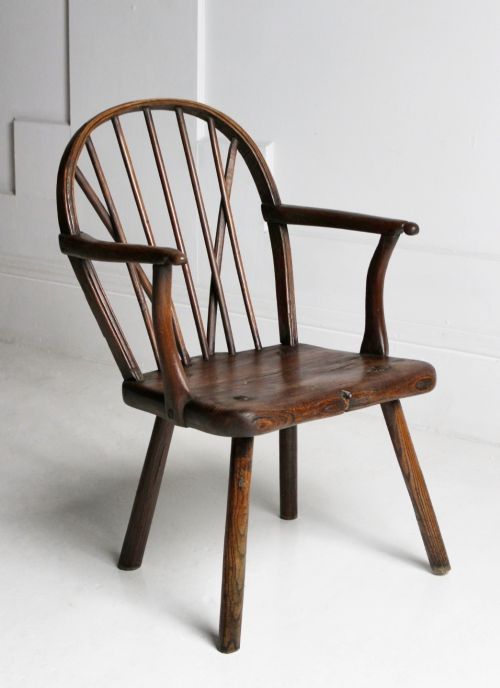


Period Spindle Chair
A period spindle chair offers traditional seating through turned uprights, bringing regional vernacular craftsmanship and historic woods into modern rooms.
Period Spindle Chair
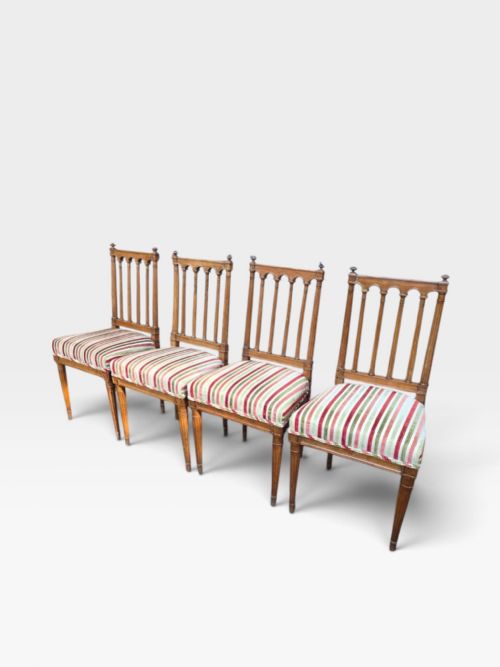
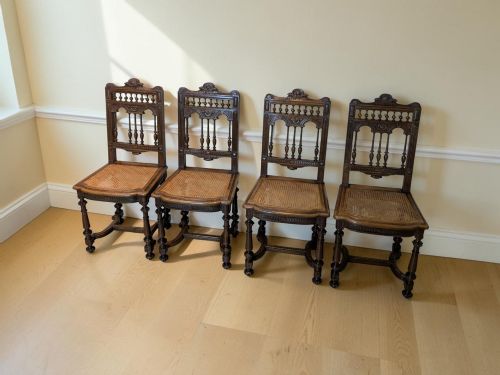
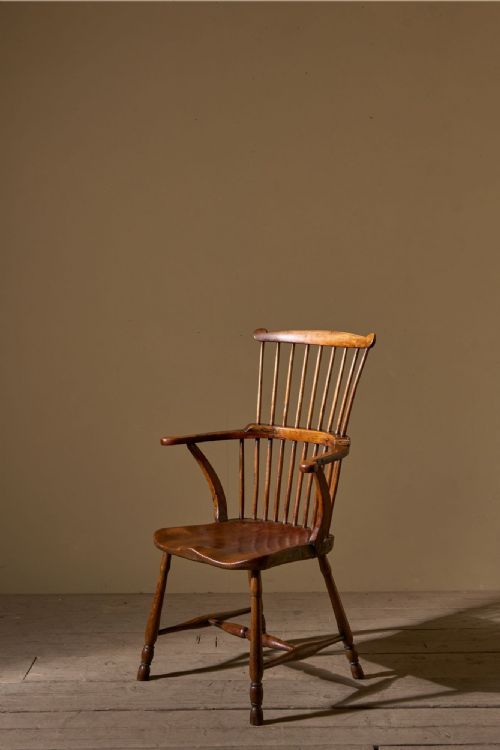
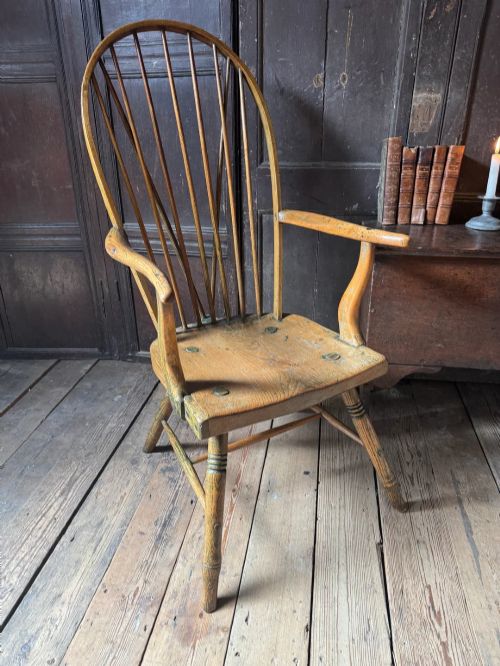
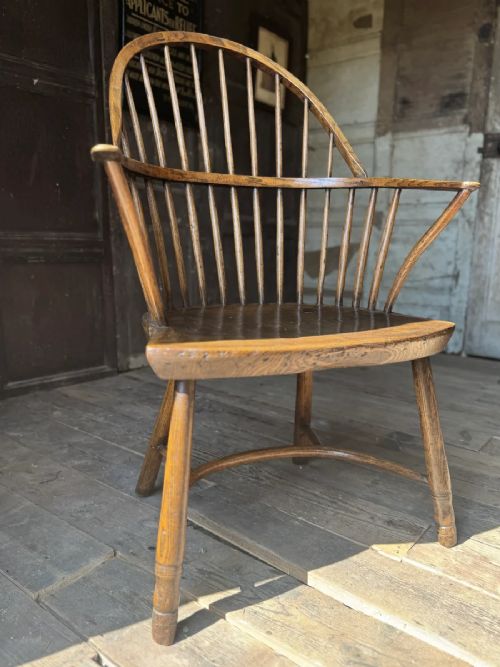
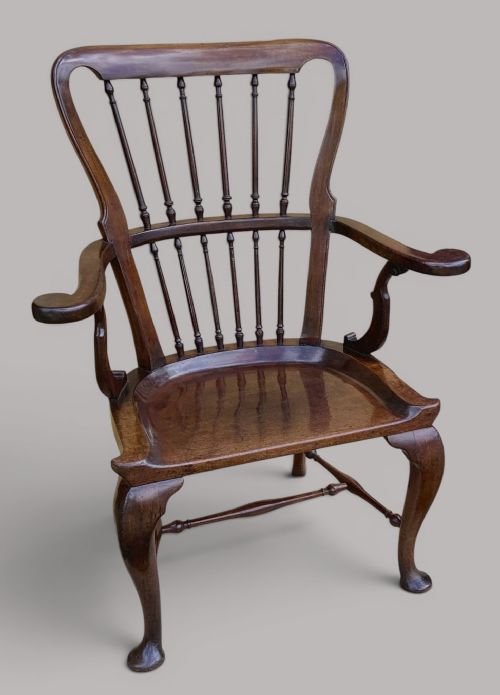
A period spindle chair encompasses various seating forms built with turned uprights, ranging from robust country windsor armchairs to refined dining sets. Buyers searching for a period spindle chair will encounter vernacular pieces from the eighteenth century alongside nineteenth century walnut and mahogany examples.
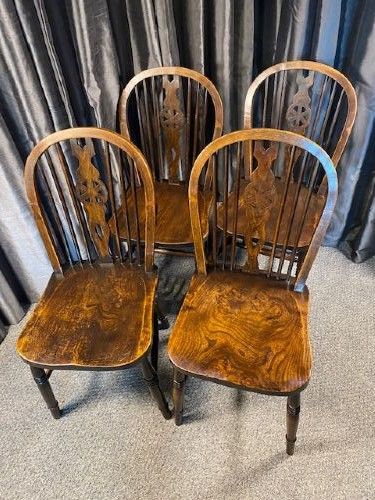
The selection includes specific regional variations such as West Country windsor armchairs, Welsh farmhouse chairs, and child chairs. These forms utilise traditional regional construction methods passed down through generations of rural cabinet makers.
Materials and construction methods
Makers utilised contrasting native timbers, frequently pairing elm seats with ash or yew for bentwood hoops and turned spindles. Hardwoods like mahogany, walnut, and oak also appear across dining and salon armchairs from the Victorian and Edwardian eras.
Turned components were shaped on pole lathes to create uniform spindles, while seats were often saddled from single planks of elm. Joints relied on traditional pegged mortise and tenon construction to ensure structural rigidity under daily use.
Period Spindle Chair Retail Price Guide 2026
Typical asking prices for period spindle chair among the pieces listed under this phrase on Sellingantiques today, from the lower quarter to the upper quarter. They describe what is for sale here now, not the wider market.
Distinguishing quality in construction
Superior examples display balanced proportions in the turning of the spindles and legs, maintaining original timber patination without excessive surface cleaning. The retention of original components, such as crinoline stretchers or deep comb backs, separates exceptional vernacular pieces from heavily restored items.
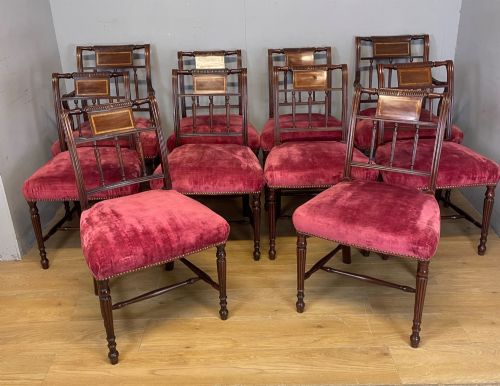
Finer dining and salon chairs reveal sophisticated timber selection, particularly in matched mahogany sets and inlaid details. Structural integrity relies on tight joints and minimal replacement of turned members.
The Period Spindle Chair Glossary
- Windsor chair
- A wooden chair built with a heavy solid timber seat into which the legs and back spindles are separately bored. This form often incorporates a bentwood bow or comb back.
- Comb back
- A Windsor chair variation where the central vertical spindles extend upward to support a horizontal top rail resembling a traditional hair comb.
- Crinoline stretcher
- A curved metal or wooden brace linking the legs of a chair below the seat to provide extra stability. It frequently curves outward toward the rear legs.
- Vernacular furniture
- Items made by local craftsmen using regional traditions and readily available materials rather than following metropolitan academic design styles.
Period Spindle Chair: Frequently Asked Questions
How do I date an old spindle chair?
Dating relies on examining the timber species, tool marks left by turning, and construction methods like pegged joinery. Regional design traits also help narrow down the decade of production.
Later Victorian and Edwardian examples often feature factory-turned components and standardised woods, whereas eighteenth century pieces display hand-carved nuances and greater wear patination.
Are windsor chairs comfortable for daily use?
Most windsor chairs feature ergonomically saddled wooden seats shaped to fit the body comfortably over long periods. Their sturdy braced construction provides reliable support.
Adding a loose cushion can enhance comfort for dining or desk use without altering the historic character of the seat.
What woods were used for country chairs?
Country chair makers selected timber for specific structural properties, combining tough elm for comfortable carved seats with flexible ash for bent hoops and turned spindles. Oak and fruitwoods also appear frequently in regional vernacular pieces.
Later urban dining and salon chairs transitioned toward imported hardwoods like mahogany and native walnut.
How should I care for antique wood chairs?
Protect antique wood chairs by keeping them away from direct heat sources and rapid humidity shifts that can cause timber to split. Regular dusting with a soft dry cloth maintains the surface.
Applying a traditional beeswax polish occasionally will nourish the wood and preserve the natural historic patina without building up heavy chemical residues.