

Period Small Table
A period small table offers useful surface area and distinct historical character, ranging from oak gatelegs to mahogany wine tables.
Period Small Table
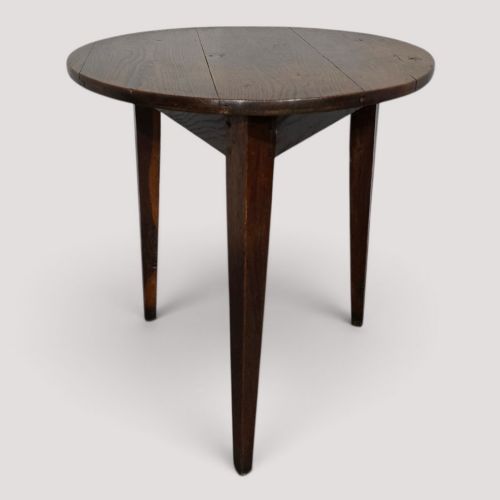
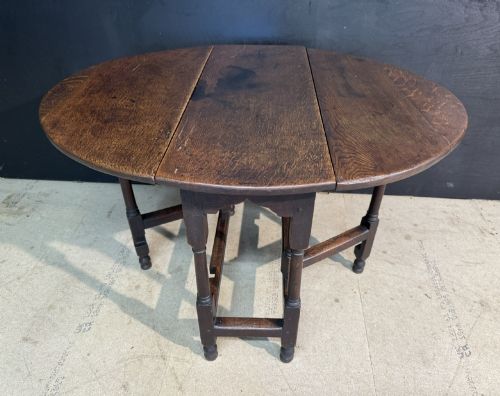
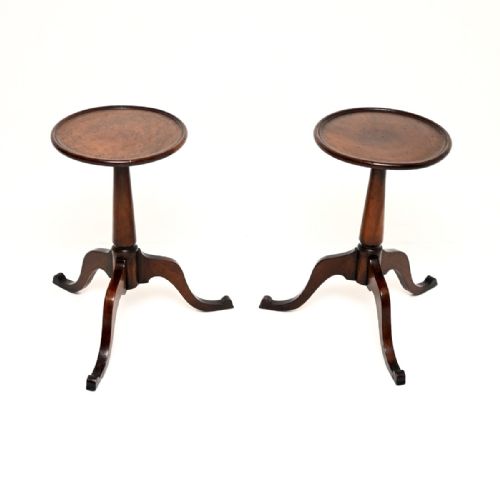
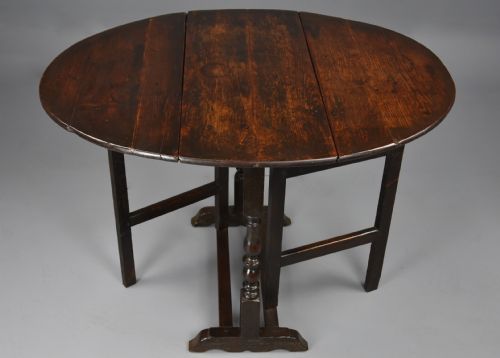
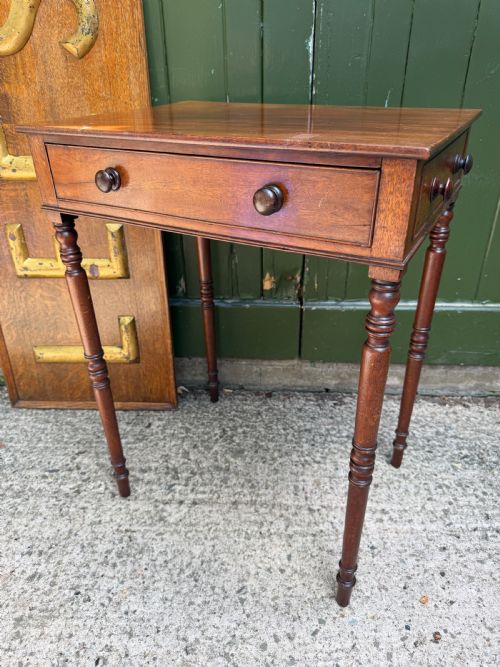
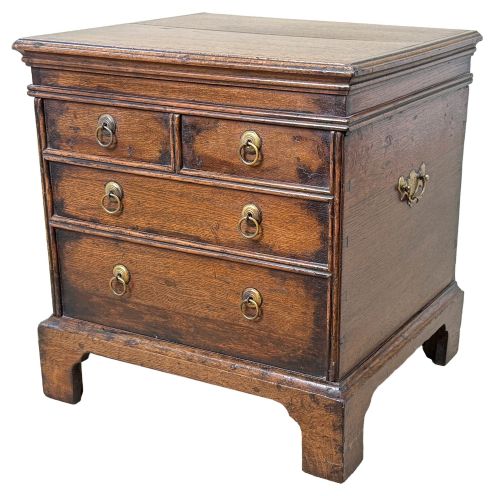
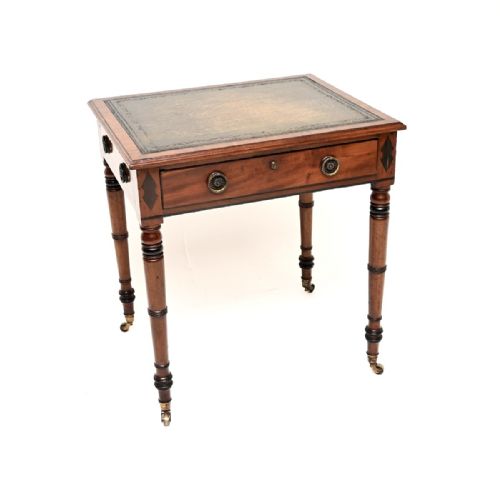
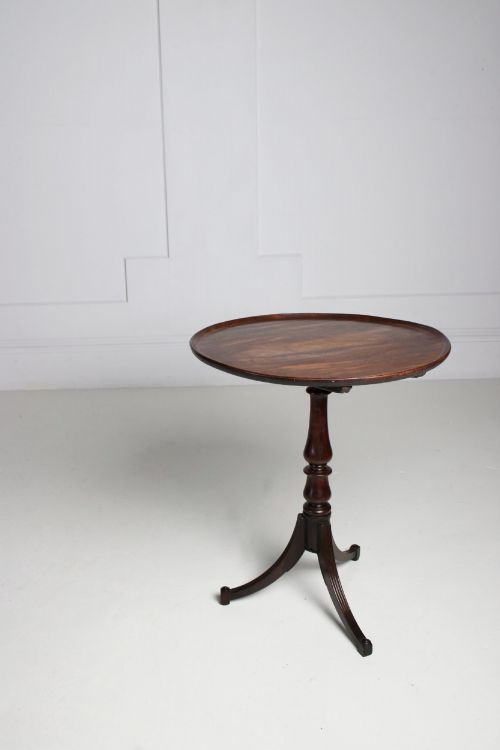
The selection includes specialised forms such as gateleg tables, lowboys, and tripod tables alongside writing desks and bedside chests. These pieces originate from distinct design movements including Georgian, Regency, and Jacobean styles.
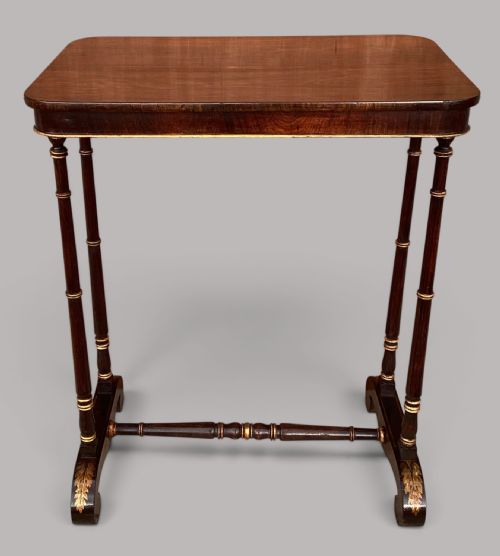
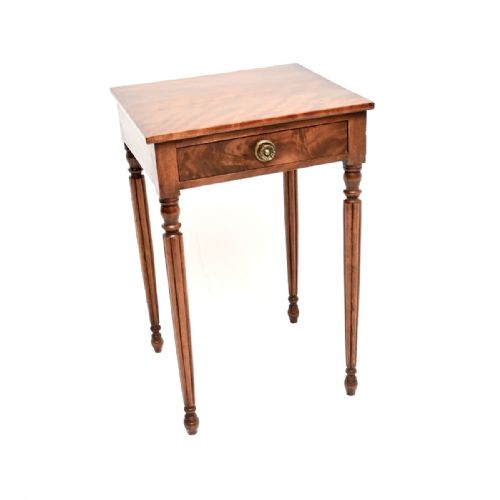
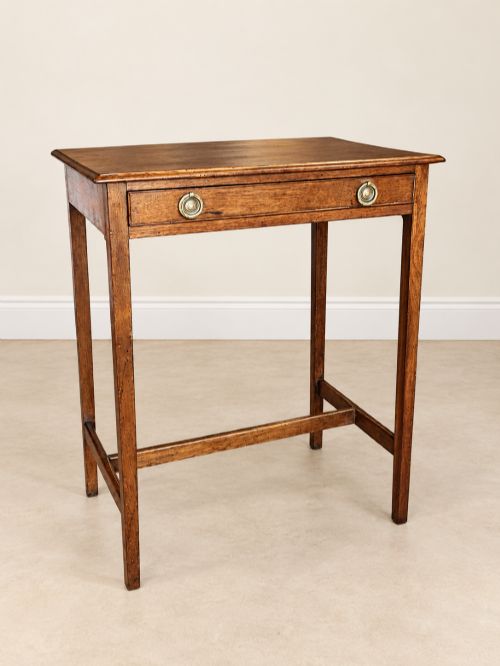
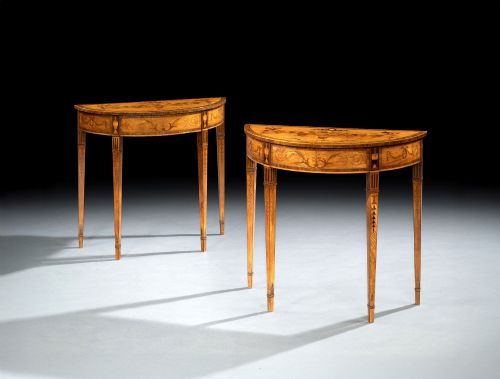
Proportions remain modest, designed to fit beside seating or within smaller rooms without dominating the floor space. Functional variations span from simple single-drawer side pieces to drop-leaf folding designs and intricate marquetry demi-lune tables.
Materials and construction
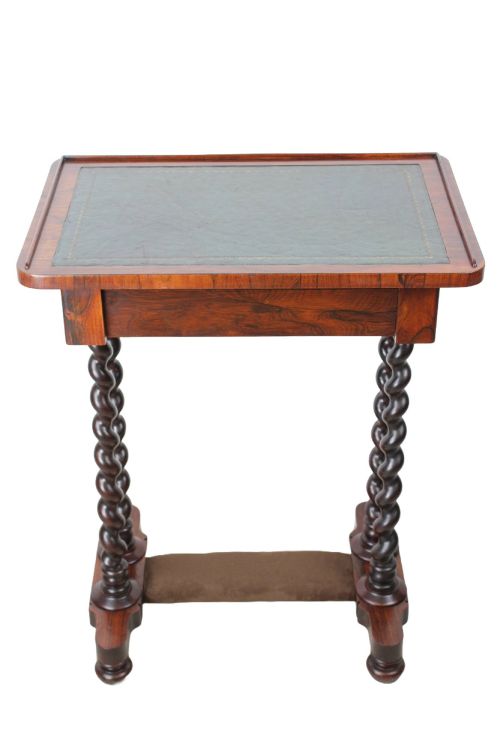
Cabinetmakers relied heavily on solid hardwoods, primarily utilising oak for earlier seventeenth and eighteenth-century pieces, and shifting toward dense mahogany, rosewood, and satinwood during the Georgian and Regency eras. Brass hardware, leather inserts, and iron fixings provided functional and decorative accents.
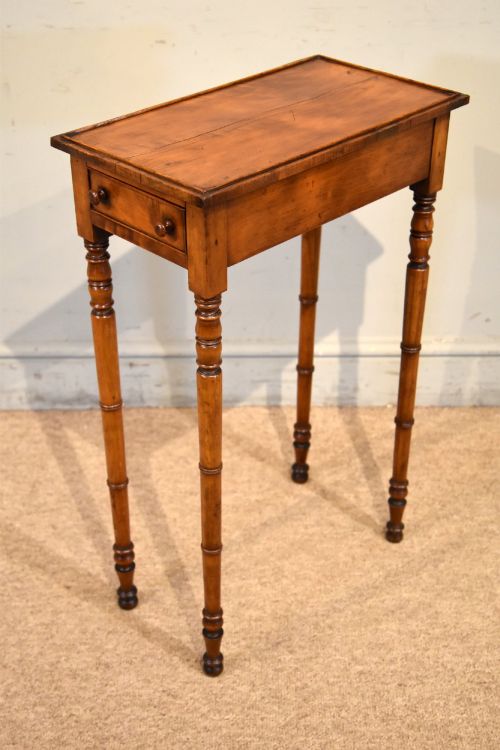
Construction techniques involved traditional joinery such as mortise and tenon joints for sturdy oak frames, alongside fine veneering and inlay work for later decorative tables. Turned legs, tripod bases, and drop-leaf mechanisms required precise manual carpentry to ensure stability and movement.
Period Small Table Retail Price Guide 2026
Typical asking prices for period small table among the pieces listed under this phrase on Sellingantiques today, from the lower quarter to the upper quarter. They describe what is for sale here now, not the wider market.
Early cabinetmakers occasionally hid secret compartments inside small writing tables to keep love letters safe from prying eyes.
Assessing quality and execution
Quality separates through the integrity of the timber selection and the precision of the joinery. Superior examples maintain original surfaces, uncompromised patination, and balanced proportions without clumsy alterations.
Refined details such as finely-drawn turned columns, crisp carving, and matching wood grain distinguish exceptional pieces from simpler utilitarian items. The retention of original hardware and untouched timber condition significantly elevates the standing of a table.
The Period Small Table Glossary
- Gateleg table
- A table with hinged drop leaves supported by legs that swing outward like gates. This clever design allows the table to expand for use and fold flat for storage.
- Lowboy
- A small dressing or side table featuring one or more rows of drawers beneath a flat top, typically set on slender legs. They gained popularity during the Georgian period.
- Tripod table
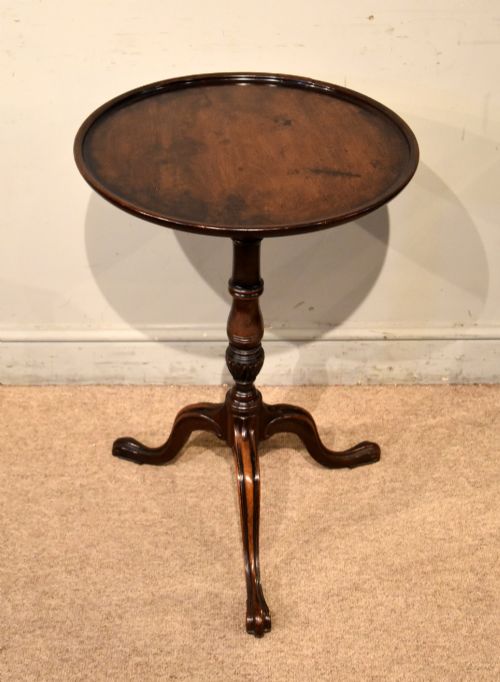
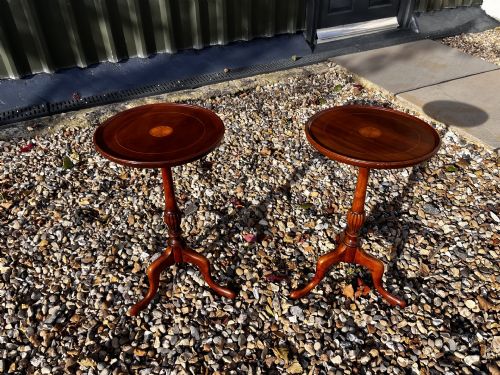
- A small freestanding table supported by a central pillar resting on three spreading feet. These versatile tables often served as wine or candle stands.
- Marquetry
- Decorative veneer work created by fitting together small pieces of coloured wood, ivory, or other materials to form geometric or floral patterns on a surface.
- Patina
- The surface sheen and mellowing developed by wood and other materials through age, light exposure, and handling. This distinct finish indicates authentic historical use.
Period Small Table: Frequently Asked Questions
Where did people use small tables?
These tables served various domestic functions in parlours, bedrooms, and dining rooms. Owners placed them beside seating for drinks, writing, or holding lighting.
Compact designs allowed them to move easily around the home as daily needs changed.
How do I identify a Georgian table?
Georgian pieces typically utilise mahogany, walnut, or oak, showing restrained classical proportions. Look for architectural details like bracket feet, turned columns, and fine dovetailing in the drawers.
Styles within this era evolved from heavier walnut forms to lighter, more elegant mahogany and satinwood designs.
What is a gateleg table used for?
Gateleg tables provided flexible surface space in historical homes where rooms served multiple purposes. The drop leaves folded down when not in use to save valuable floor space.
They functioned as dining tables, side tables, or serving surfaces depending on their size.
How should I care for antique wood?
Keep wooden tables away from direct sunlight and heat sources to prevent the timber from drying out and cracking. Dust regularly with a dry cloth and apply occasional appropriate wax to nourish the finish.
Avoid placing damp items directly on antique surfaces to protect the historical patina.