





Period Silver Plate
Period silver plate brings heavy, gleaming presence to the table, offering the substantial weight of old metal without the bullion cost.
Period Silver Plate
When you search for period silver plate, you encounter functional dining wares, lighting, and decorative objects spanning the nineteenth and early twentieth centuries. These pieces were manufactured to mimic solid silver using base metals fused or coated with a thin layer of genuine silver.
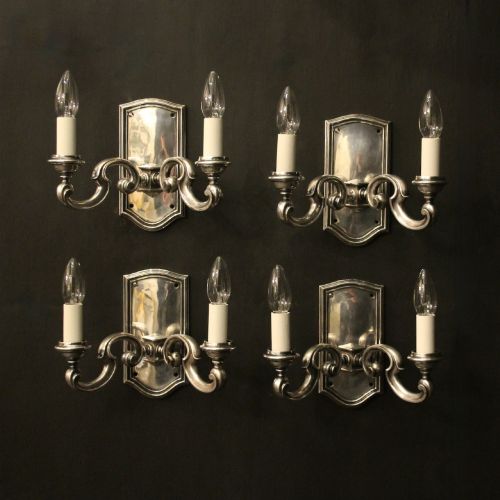
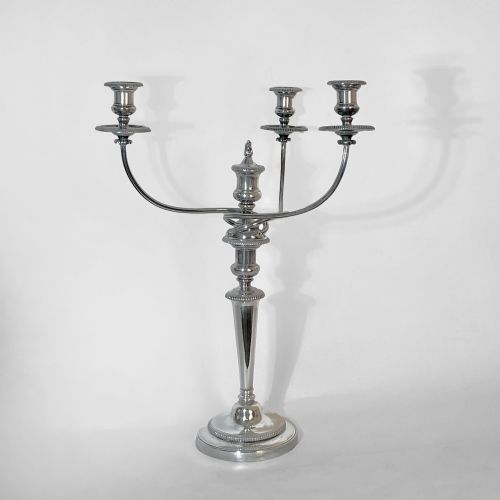
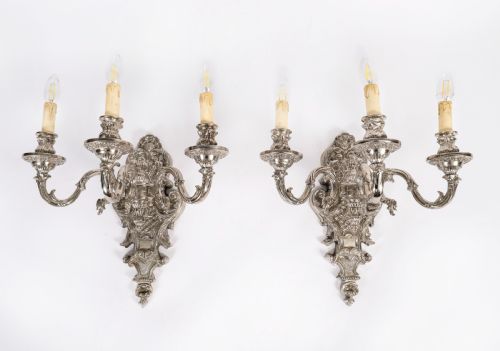
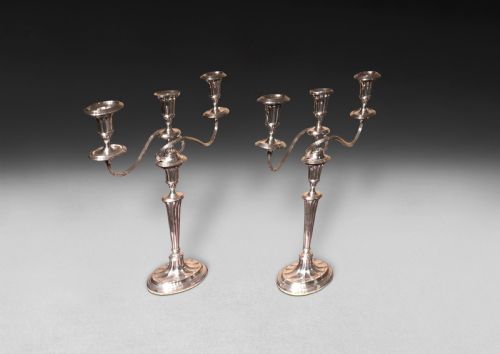
The selections on this page concentrate heavily on Regency Old Sheffield plate alongside Edwardian and Art Deco tableware, candelabra, and wine coolers. You find items ranging from early nineteenth-century campana wine coolers to twentieth-century cocktail shakers and wall lights.
The assortment includes domestic lighting, heavy meat-covers, and dining accessories originating from British workshops, French makers, and continental European houses. Each piece reflects the social rituals of its respective decade, from formal Georgian dining to twentieth-century entertaining.
Materials and Manufacture
Old Sheffield plate relies on a fusion technique where a sheet of silver is bound to a thicker ingot of copper through heat and pressure before being rolled into sheets. This process leaves characteristic copper edges visible where the silver layer wears thin over generations of polishing.
Later nineteenth-century and twentieth-century items utilise electroplating, a method where an electrical current deposits a layer of silver directly onto a base metal such as nickel silver, copper, or white metal. This technique allowed for sharper stamped details and uniform coverage across complex decorative forms.
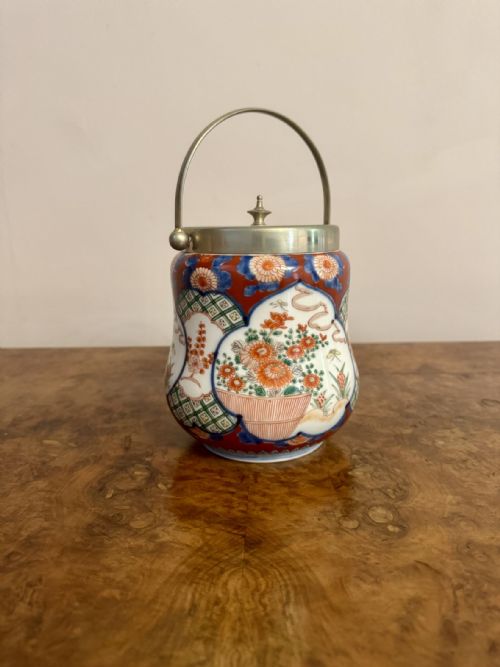
Accompanying materials include iron, glass, and ceramic accents integrated into structural components like door handles, biscuit barrels, and pendant lights. Makers often reinforced handles and rims with heavier base metals to withstand the rigours of daily service.
Period Silver Plate Retail Price Guide 2026
Typical asking prices for period silver plate among the pieces listed under this phrase on Sellingantiques today, from the lower quarter to the upper quarter. They describe what is for sale here now, not the wider market.
Even heavy meat-covers occasionally need a gentle polish after centuries of guarding invisible roasts.
Distinctions in Quality
Quality rests significantly upon the thickness of the original silver coating and the degree of base metal telegraphing through the surface. Heavier gauge copper foundations in Old Sheffield plate indicate superior structural integrity and longevity.
The crispness of chased or applied mounts separates masterwork production from standard commercial output. Superior items retain deep, sharp detailing on borders and handles without softening from excessive historical cleaning.
Maker attribution elevates certain pieces, particularly those bearing the marks of renowned workshops like Matthew Boulton or Christofle. The precision of assembly and the stability of soldered joints further distinguish workshop standards.
Matthew Boulton and Co·Christofle Paris·Asprey
The Period Silver Plate Glossary
- Old Sheffield plate
- A material produced by fusing silver and copper together before rolling into sheets, common in the eighteenth and early nineteenth centuries. It often shows subtle lines of copper along high-wear edges.
- Campana
- A bell-shaped vessel profile frequently utilised for wine coolers and urns during the Regency period. This classical silhouette provides stability and aesthetic balance.
- Electroplate
- A technique introduced in the nineteenth century for depositing a layer of silver onto a base metal via an electrical bath. It largely superseded the older fusion method for mass production.
- Candelabra
- Branched lighting fixtures designed to hold multiple candles, often executed in heavy plated metal for dining tables. These items anchor formal table settings.
- Nickel silver
- A copper alloy containing nickel and zinc, possessing a silvery appearance without containing actual silver. It served as a durable base metal for later plated wares.
Period Silver Plate: Frequently Asked Questions
What is Old Sheffield plate?
Old Sheffield plate is an early form of silver plating created by fusing a sheet of silver onto a copper ingot before rolling them together into working sheets. This technique predates modern electroplating.
Items made this way often reveal thin lines of warm copper underneath where the silver has worn away through decades of careful polishing.
How do I clean period plated items?
Clean these surfaces using a gentle, non-abrasive silver cream applied with a soft cloth, rinsing with warm water and drying immediately. Avoid harsh dips that strip remaining plate.
Take special care around soldered joints and engraved lines where excessive rubbing can expose the underlying copper or white metal base.
Can I use these items daily?
Many of these pieces, such as wine coolers, shakers, and dishes, remain entirely functional for modern dining and entertaining. Their sturdy construction suits regular use.
Hand washing is essential to preserve the finish, as dishwashers use harsh detergents and heat that damage fragile plated surfaces and soldered mounts.
How do I date period silver plate?
Dating relies on stylistic markers, manufacturing techniques, and occasional maker marks stamped into the base metal. Regency pieces display classical motifs, while Art Deco items feature geometric lines.
The transition from fused Old Sheffield plate to nineteenth-century electroplating provides a clear technical boundary for dating items accurately.