






Period Silver Cutlery
Period silver cutlery brings tangible centuries of dining history to the table, offering tactile connections through solid silver and intricate handle designs.
Period Silver Cutlery
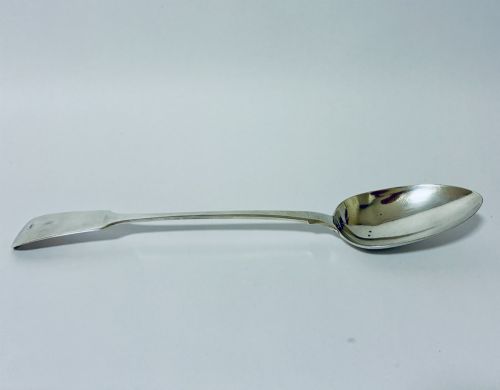
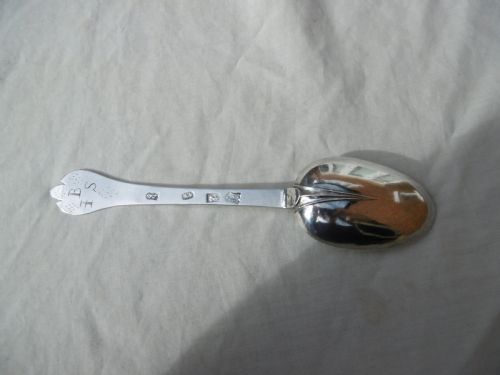
When you search for period silver cutlery, you encounter implements spanning from the seventeenth century through to the nineteenth century, encompassing forms such as trefid spoons, slip top spoons, and serving pieces. The pieces available reflect distinct eras including the reigns of Charles II, William III, and George II, alongside Georgian and Victorian developments.
You are most likely to meet seventeenth-century trefid spoons and eighteenth-century tablespoons, accompanied by rarer regional examples like York soup ladles and French sifter spoons. The selection also includes related items such as satinwood boxes with silver mounts and cased bridge spoons combining silver with bakelite.
The materials utilised range from standard sterling silver to Britannia silver and solid silver, occasionally paired with secondary elements like wood and satinwood. Each object displays the manufacturing traits and hallmarks of its specific period, whether produced in London, Sheffield, or by provincial makers.
Evaluating Quality
Quality in these items rests upon the crispness of the hallmarks, the legibility of maker stamps, and the preservation of the original bowl shape against centuries of wear and polishing. Early spoons with strong, deep marks and intact terminal details represent the higher end of craftsmanship.
The refinement of engraving, such as detailed lace patterns or crisp armorial crests, separates standard utilitarian pieces from exceptional examples. Furthermore, surviving original cases or matched sets indicate a higher tier of historical preservation.
Period Silver Cutlery Retail Price Guide 2026
Typical asking prices for period silver cutlery among the pieces listed under this phrase on Sellingantiques today, from the lower quarter to the upper quarter. They describe what is for sale here now, not the wider market.
Listings feature silver objects spanning the seventeenth century through to the Art Deco period, utilising sterling silver, Britannia silver, and satinwood.
NG·William Penstone·Isaac Davenport·Benjamin Prosser·Stephen Coleman·John King·JOHN ROUND
The Period Silver Cutlery Glossary
- Trefid spoon
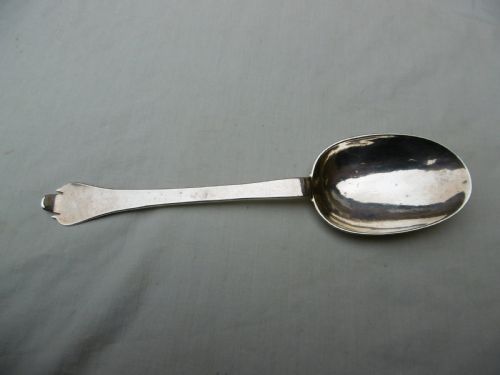
- An early form of spoon featuring a flat, three-lobed terminal and a broad stem, popular in the late seventeenth century.
- Slip top spoon
- An early style of spoon where the stem is cut off at an oblique angle rather than finishing with a knop.
- Dognose tablespoon
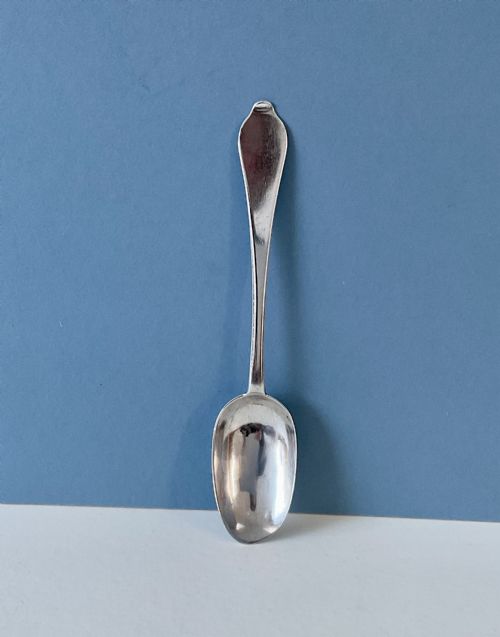
- A transitional spoon shape evolving from the trefid, possessing a rounded tongue-like projection down the centre of the stem top.
- Britannia silver
- A higher standard of silver alloy introduced by statute, containing ninety-five point eight percent pure silver.
- Marrow scoop
- A narrow, trough-like utensil used for extracting marrow from bones during formal dining.
Period Silver Cutlery: Frequently Asked Questions
What is a trefid spoon?
A trefid spoon is an early form of eating utensil characterised by a flat, three-lobed handle end and rat-tail reinforcement on the reverse of the bowl. These pieces date predominantly to the late seventeenth century.
They represent some of the earliest standard table silver collected today, often displaying maker marks and town hallmarks from the reigns of Charles II and William III.
How do I identify silver periods?
Silver periods are identified through a combination of handle shape, manufacturing techniques, and official hallmarks stamped directly onto the metal. Styles like the slip top belong to the sixteenth and seventeenth centuries, while fiddle patterns point firmly to the nineteenth century.
Examining the shape of the bowl and the presence of town marks or monarch profiles provides a reliable guide to dating each individual piece.
Were these items used daily?
Many of these items served practical functions at elite dining tables for eating, serving, and food preparation over hundreds of years. Spoons, ladles, and marrow scoops were handled regularly during meals before being preserved as antiques.
Over centuries of use and cleaning, the metal develops a soft patina that reflects its long history of domestic service.
What is Britannia standard silver?
Britannia standard silver is a specific alloy containing ninety-five point eight percent pure silver, which is purer than standard sterling silver. Parliament mandated this higher standard for a period starting in the late seventeenth century to prevent coin melting.
Items bearing Britannia marks, such as specific Queen Anne period spoons, carry distinct hallmarks including a figure representing Britannia and the lion's head erased.