



Period Secretary Bookcase
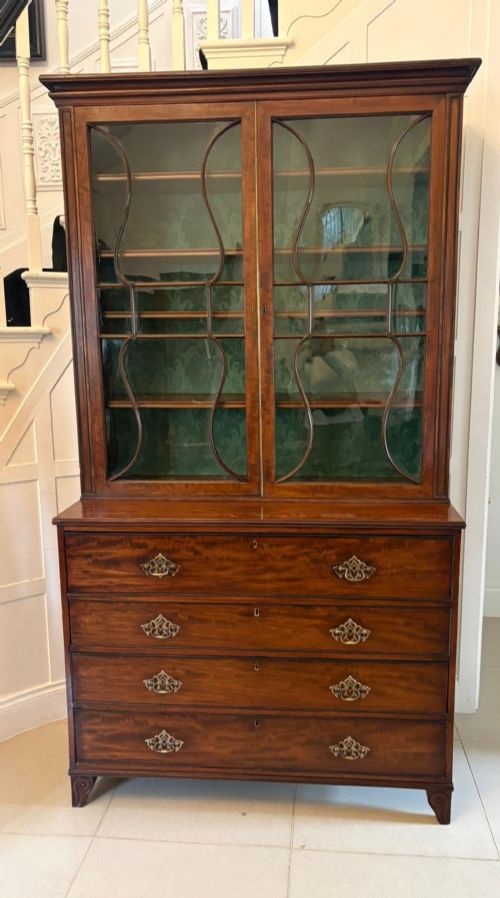
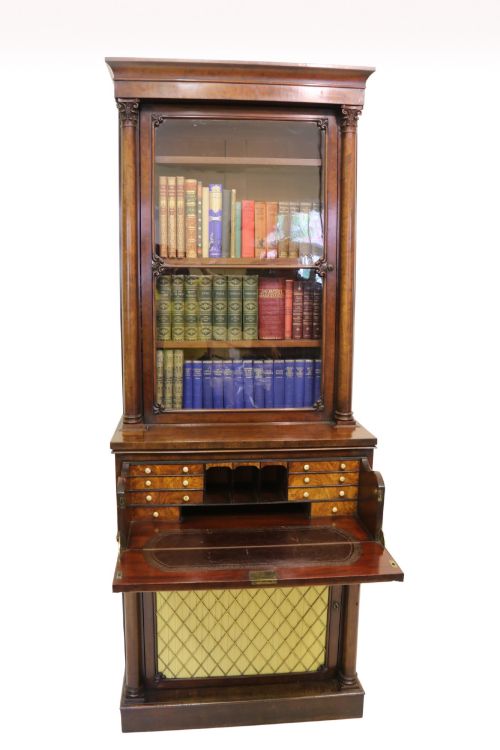
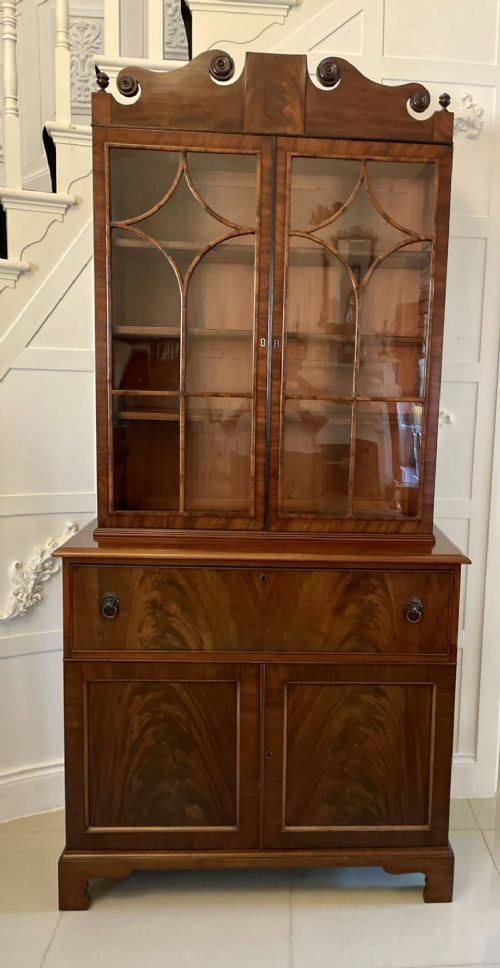
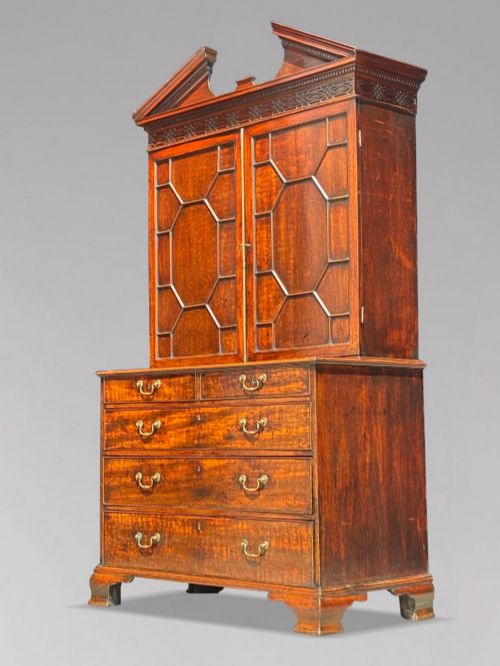
A period secretary bookcase is a dual-purpose writing cabinet and shelved upper case, combining concealed drawers with glazed or panelled doors.
Period Secretary Bookcase
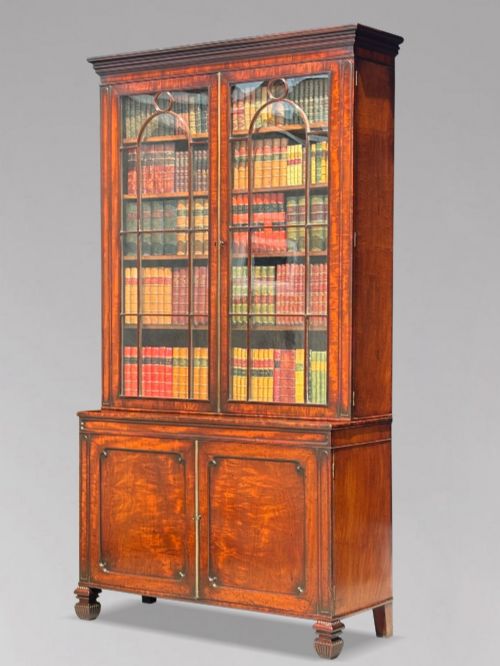
When you search for a period secretary bookcase, you encounter tall combination furniture designed to house books above and provide a writing surface below. These items span the late seventeenth, eighteenth, and nineteenth centuries, emerging from eras like William and Mary, Queen Anne, Georgian, and Regency.
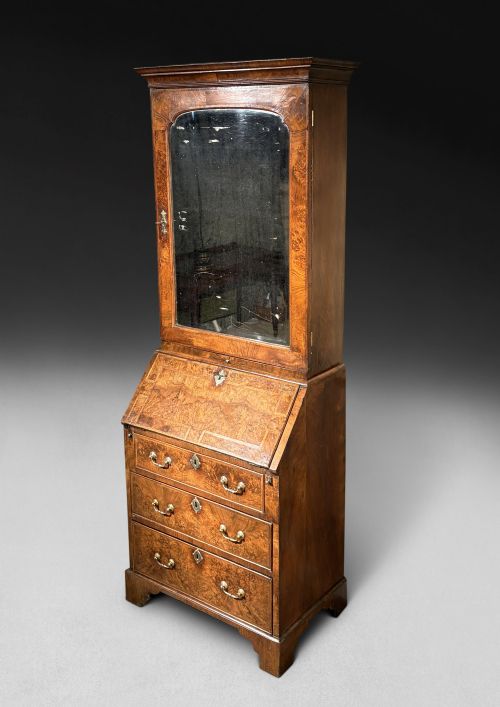
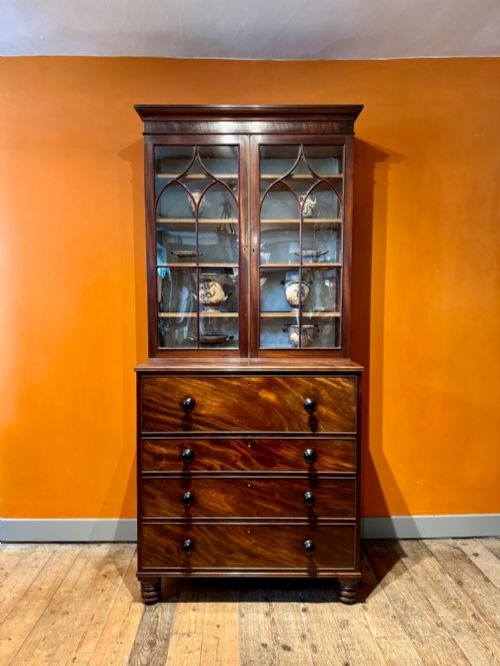
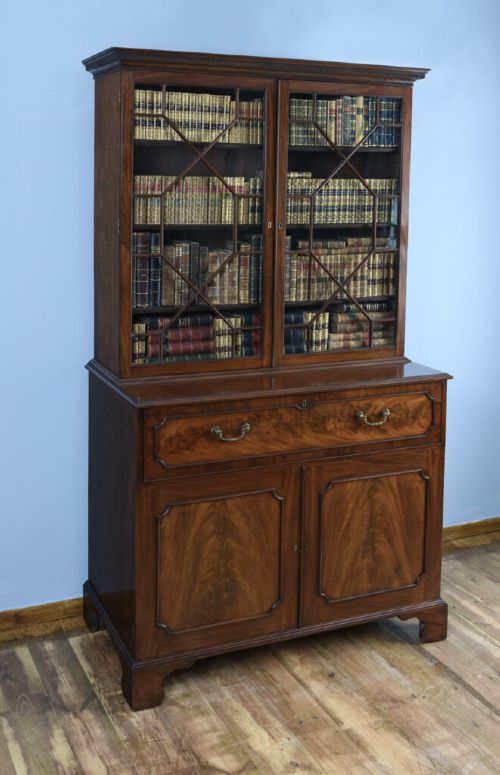
The most common formats on this page include bureau bookcases with sloping fall-front desks alongside formal secretaire bookcases incorporating a pull-out drawer fitted with writing drawers and pigeonholes. Lower sections typically feature cupboard doors or multiple drawer tiers, while upper compartments present glazed or solid doors.
Origins stretch across designated historical styles such as George III, Sheraton, and George I, with maker attribution occasionally pointing to workshops like Gillows of Lancaster. Proportions vary from compact small bureau bookcases to taller architectural pieces built to command a room.
Quality variations
Quality differentiates through the selection of timber veneers, such as richly figured mahogany or burr walnut, matched across primary facades. Finer examples display meticulous cabinetmaking in the interior fittings of the writing compartment, including secret drawers and pigeonhole configurations.
Construction standards reveal themselves in the execution of dovetail joints on drawers, the retention of original brass hardware, and the clarity of glass within the upper doors. Early pieces demonstrate higher degrees of hand-worked joinery and patination developed over centuries.
Period Secretary Bookcase Retail Price Guide 2026
Typical asking prices for period secretary bookcase among the pieces listed under this phrase on Sellingantiques today, from the lower quarter to the upper quarter. They describe what is for sale here now, not the wider market.
Periods represented across the inventory include William and Mary, Queen Anne, George I, George III, and Regency.
Gillows of Lancaster
The Period Secretary Bookcase Glossary
- Secretaire
- A desk drawer that pulls out and drops down to reveal a fitted writing interior with small drawers and pigeonholes. This mechanism conceals the workspace behind a standard drawer facade.
- Bureau bookcase
- A combination piece comprising a sloping fall-front desk base beneath a shelving bookcase upper section. The fall-front opens to form a horizontal writing surface.
- Burr walnut
- A specialised timber veneer harvested from walnut tree growths, producing swirling, highly decorative grain patterns. It appeared frequently on high-status pieces from the Queen Anne and George I periods.
- Glazed doors
- Glass-fronted upper cabinet doors designed to display books while protecting them from dust. They are constructed using timber glazing bars holding individual panes.
- Patina
- The surface sheen and mellowing of colour accumulated on timber over centuries of handling and exposure. Original finishes contribute to this characteristic depth.
Period Secretary Bookcase: Frequently Asked Questions
How do I use a secretary bookcase?
The drop-front or pull-out drawer opens to create a writing desk surface with built-in compartments for stationery and letters. Upper shelves store books or display collections behind protective doors.
Lower drawers or cupboards provide concealed storage space for household items, keeping living areas organised while maintaining traditional aesthetics.
Where should I place it?
These tall pieces require a stable wall with adequate vertical clearance and sufficient floor depth to allow fall-fronts or pull-out drawers to open fully. Position them away from direct heat sources and strong sunlight to protect aged timber veneers.
Libraries, studies, and principal reception rooms suit their grand scale and historical presence best.
How do I tell periods apart?
William and Mary and Queen Anne pieces show rounded walnut grains and simpler proportions, often featuring mirrored or panelled upper doors. Georgian and George III items frequently utilise figured mahogany with classical architectural pediments.
Regency examples introduce crisper brass details and satinwood veneers, reflecting changing nineteenth-century tastes in cabinet design.