

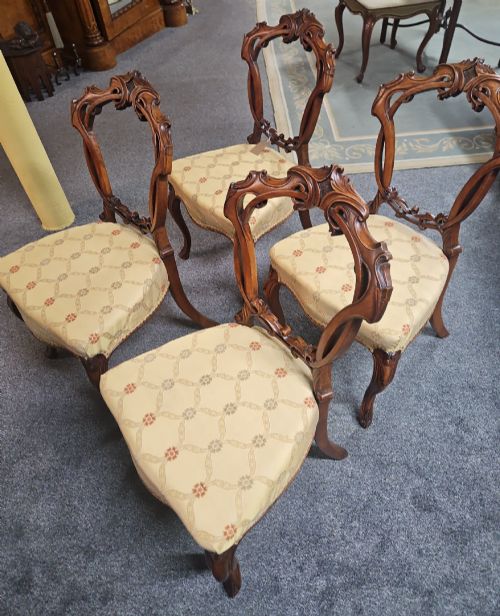


Period Salon Furniture
Period salon furniture comprises seating and suites built to furnish formal reception rooms across the nineteenth century.
Period Salon Furniture
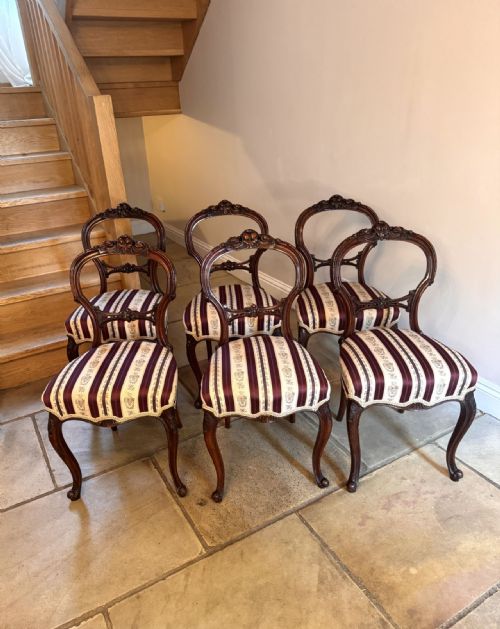
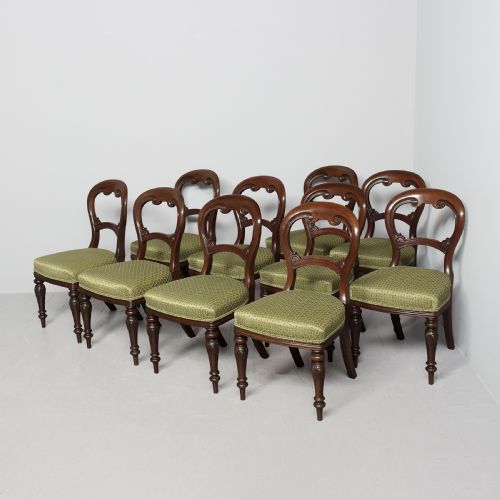
When buyers search for period salon furniture, they encounter seating designed for the formal reception rooms of the nineteenth century. These pieces range from individual dining chairs and armchairs to matching salon suites comprising sofas and several chairs.
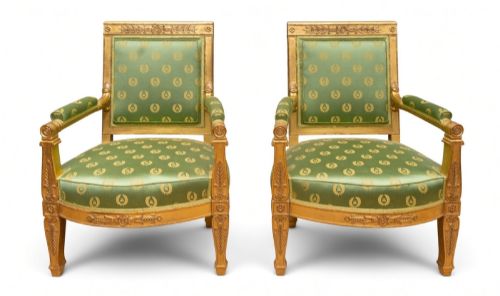
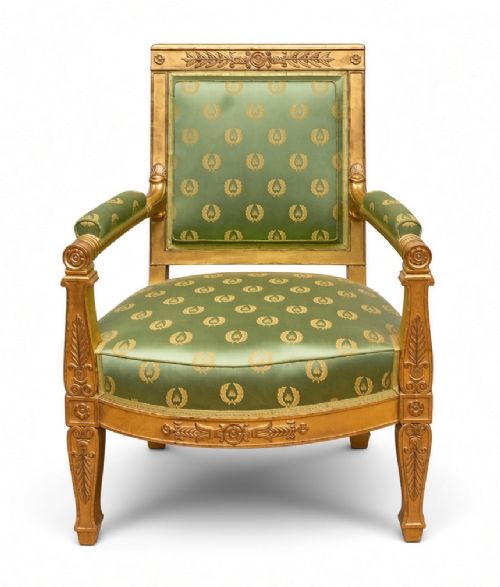
The most common examples on this page date from the Victorian era and the Louis Philippe period, alongside French Restauration and Aesthetic Movement designs. Forms span balloon-back dining chairs, giltwood fauteuils, and multi-piece upholstered salon suites.
Origins reflect British and continental workshops, including Scottish makers and Parisian ateliers associated with royal residences. Pieces bridge domestic comfort with formal display, utilising distinct regional styles from the 1800s to the early twentieth century.
How they were made
Workshops constructed these forms using solid timbers such as mahogany, walnut, and rosewood, alongside ebonised finishes. Carved elements frequently incorporated giltwood and gesso to achieve ornate surface decoration.
Upholstery methods defined the comfort and appearance of salon seating, employing traditional stuffing beneath outer coverings of silk, velvet, fabric, tapestry, and brass detailing. Frames utilised robust joinery suited to supporting frequent use in formal interiors.
Period Salon Furniture Retail Price Guide 2026
Typical asking prices for period salon furniture among the pieces listed under this phrase on Sellingantiques today, from the lower quarter to the upper quarter. They describe what is for sale here now, not the wider market.
Listings span the Victorian era, the Edwardian period, and continental styles including Louis Philippe and French Restauration.
What varies in quality
Quality rests upon the crispness of timber carving, the integrity of structural joinery, and the preservation of original or period-appropriate upholstery materials. Pieces retaining maker attribution or provenance to notable suites command greater recognition.
The sophistication of surface finishes, from fire-gilt gesso to polished mahogany and ebonised wood, distinguishes standard production from exceptional examples. Matching sets of multiple chairs or complete suites demonstrate higher design ambition than isolated items.
Jacob Desmalter·Jas James Shoolbred
The Period Salon Furniture Glossary
- Fauteuil
- An open-armed upholstered armchair originating in France, typically featuring exposed wooden framing and carved detailing. These chairs were designed for formal reception rooms.
- Giltwood
- Timber treated with gold leaf or a gold-coloured finish over a prepared gesso ground. This technique created brilliant reflective surfaces on formal nineteenth-century frames.
- Balloon-back
- A chair design characterised by an oval or rounded backrest shaped like a balloon. This form gained immense popularity during the Victorian era.
- Aesthetic Movement
- A late nineteenth-century design style emphasising visual beauty and artistic reform over heavy historical revivals. Furniture from this period often utilised ebonised surfaces.
- Salon suite
- A matched set of seating furniture, usually comprising a sofa and several matching chairs intended for a drawing room. These suites provided unified seating for guests.
Period Salon Furniture: Frequently Asked Questions
What defines period salon furniture?
These pieces comprise formal seating and matched suites manufactured during the nineteenth and early twentieth centuries. They were built to furnish drawing rooms and reception spaces for entertaining.
Designs reflect changing tastes across the Victorian, Louis Philippe, Restauration, and Aesthetic periods. They utilise quality hardwoods and decorative upholstery appropriate for formal domestic display.
How are salon suites used today?
Complete salon suites and individual chairs serve as striking focal points in modern living rooms and traditional reception spaces. They provide functional seating while introducing historical character to an interior.
Mixing individual period chairs with contemporary furnishings adds architectural contrast to a room. Larger suites work well in spacious period properties where matching groupings maintain historical scale.
How can I tell the period apart?
Dating relies upon identifying stylistic markers associated with specific decades and reigns across the nineteenth century. Victorian pieces often feature balloon backs and walnut framing, while earlier French pieces display giltwood and Restauration proportions.
Materials and upholstery techniques also indicate age, with ebonised surfaces and aesthetic detailing pointing to the later decades of the century. Maker stamps and documented provenance provide definitive chronological anchors.
Are these pieces suitable for daily use?
Nineteenth-century salon seating was constructed from durable hardwoods like mahogany and walnut to withstand regular use. Many pieces remain robust and functional for daily seating.
Depending on the age of the upholstery, some pieces may benefit from careful conservation or reupholstery to support modern standards of comfort. Frames require standard furniture care to protect polished wood and carved details.