




Period Plant Stand
A period plant stand brings architectural height to botanical displays, offering timeless timber and metal frames designed to elevate greenery.
Period Plant Stand
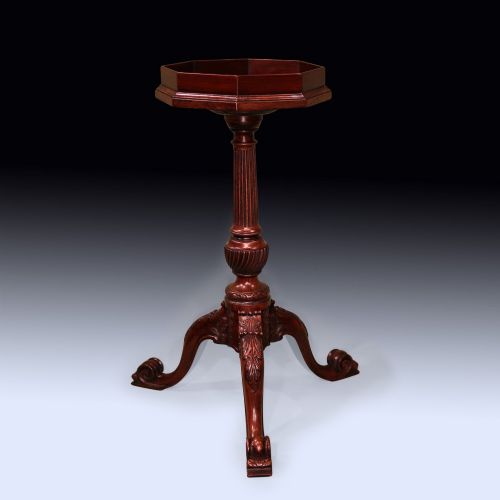
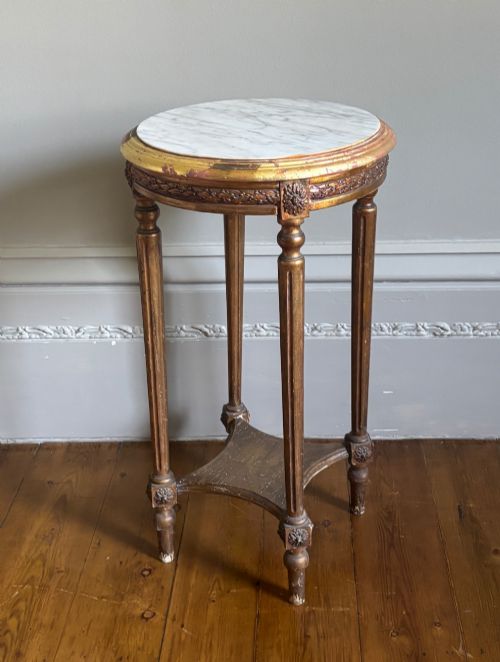
A period plant stand serves to elevate jardiniere pots, urns, and decorative ceramics above floor level using sturdy timber or wirework frames. Collectors searching this phrase encounter diverse forms ranging from George III mahogany urn stands to Victorian ebonised display tables and Japanese Meiji hardwood stands.
The selections span centuries, incorporating 18th-century candle stands alongside Edwardian oak tripod tables and Regency giltwood pieces. Buyers most frequently meet versatile occasional tables, stools, and specialised jardiniere stands designed for domestic display.
Materials and construction
Craftsmen utilised solid hardwoods such as mahogany, oak, and elm, often joining structural elements with traditional methods to support heavy ceramic planters and marble tops. Finer examples integrate decorative elements like brass fittings, gold leaf, and intricate hand-carved details.
Alternative aesthetics emerge through Japanese ebonised finishes, black lacquer decoration, and delicate wirework frames. Stoneware plinths and giltwood structures further demonstrate the varied technical approaches employed across different periods.
Period Plant Stand Retail Price Guide 2026
Typical asking prices for period plant stand among the pieces listed under this phrase on Sellingantiques today, from the lower quarter to the upper quarter. They describe what is for sale here now, not the wider market.
Object forms span corner washstands, dumb waiters, tripod tables, and corner cabinets alongside traditional plant supports.
Distinctions in quality
Excellence in a period plant stand rests upon the crispness of carved ornamentation and the integrity of joint construction. Superior pieces maintain structural rigidity under heavy weight whilst exhibiting refined proportions and select timber grains.
The distinction between ordinary utility items and exceptional furnishings lies in the harmony of materials, such as the seamless integration of inset marble tops or meticulous lacquer work. Authenticity of period surface finishes significantly elevates the standing of any piece.
The Period Plant Stand Glossary
- Jardiniere stand
- A tall piece of furniture specifically designed to hold a plant container or flower pot. These stands protect interior flooring from moisture while displaying botanical specimens at eye level.
- Torchere
- A tall ornamental stand intended to support a lamp, candle, or decorative vessel. Originating in earlier centuries, these slender supports emphasise verticality.
- Tripod table
- A small table or stand supported by three legs radiating from a central pillar. This configuration provides stability on uneven historic flooring.
- Wirework
- Metal strands twisted and formed into structural or decorative frames. This technique appeared in lightweight stands designed for botanical use.
- Hongmu
- A traditional Chinese term for dense red hardwoods used in fine cabinetmaking. These heavy timbers yield durable surfaces with rich natural colouration.
Period Plant Stand: Frequently Asked Questions
How were plant stands used historically?
Historic households utilised these stands to display prized botanical specimens, exotic flowers, and heavy ceramic planters within principal living spaces. Elevating plants protected delicate flooring from water damage while improving visibility.
Wealthy interiors incorporated specialised tables near windows to ensure adequate sunlight for indoor greenery. They functioned simultaneously as decorative furniture and practical botanical supports.
How do I style a plant stand at home?
Selecting a stand involves considering the weight and diameter of the pot it will support alongside the surrounding room proportions. Tall slender stands suit corners or empty wall spaces requiring vertical emphasis.
Pairing historic timber stands with modern foliage creates an effective visual contrast. Ensure the top surface matches the base of your chosen planter for secure placement.
How do I identify a Georgian stand?
Georgian pieces frequently display mahogany construction, restrained classical carving, and tripod bases with pad or claw feet. Proportions remain balanced and functional, adhering to 18th-century design canons.
Examination of the underside often reveals period joinery techniques and timber ageing consistent with 18th-century manufacture. Brass hardware and candle slide mechanisms provide further chronological indicators.
What is a jardiniere stand?
A jardiniere stand is a dedicated furniture form built to accommodate large plant containers, often featuring waterproof liners or inset marble tops. These surfaces resisted damage from damp soil and frequent watering.
Victorian and Edwardian versions frequently incorporate ebonised wood, bamboo, or giltwood frames. Their decorative ornamentation matched the elaborate indoor gardening trends of the period.