



Period Panelled Wardrobe
A period panelled wardrobe and its close relatives are substantial timber storage pieces built to hold linens and garments with architectural presence.
Period Panelled Wardrobe
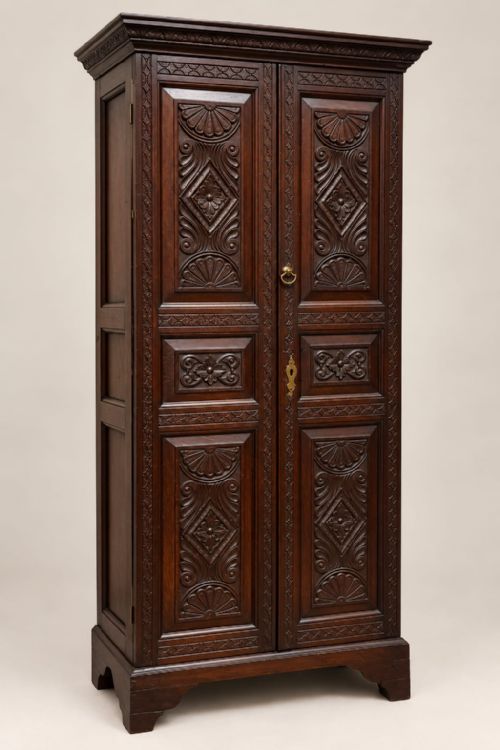
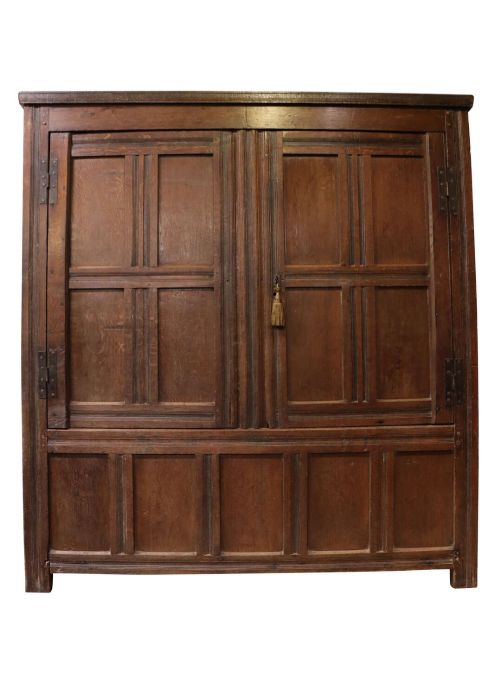
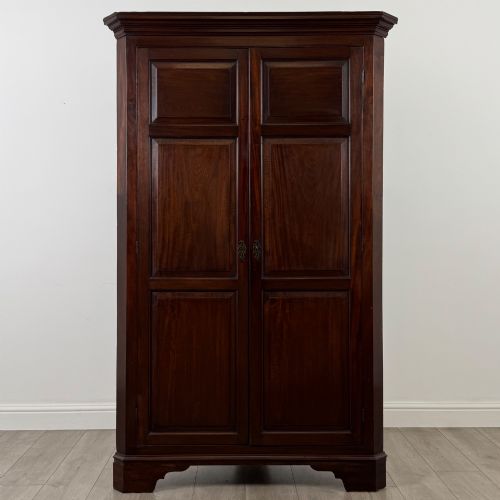
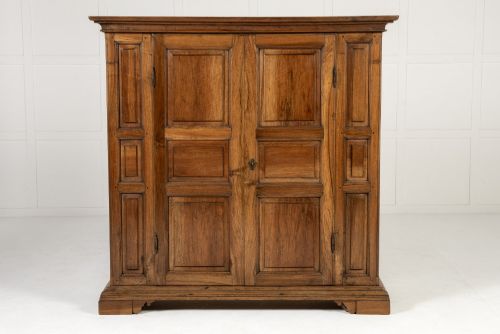
When you search for a period panelled wardrobe, you encounter substantial timber storage furniture spanning the seventeenth, eighteenth, and early nineteenth centuries. The selection encompasses traditional oak vestment cupboards, mahogany gentleman's cabinets, and satinwood-detailed linen presses alongside corner cupboards.
The version you are most likely to meet on this page is an oak or mahogany cupboard representing Georgian, George III, or seventeenth-century craftsmanship. These pieces bridge the gap between architectural woodwork and domestic utility, utilising sturdy timber panels to house garments and household textiles.
How they were made
Cabinet makers constructed these pieces primarily from solid oak and rich mahogany, supplemented by walnut and satinwood for decorative contrast. Timber boards were joined using traditional panel construction methods to accommodate seasonal wood movement without splitting.
Metal hardware such as brass handles and iron hinges were integral to the construction, providing both structural reinforcement and functional operation. Details like swan-neck pediments and carved mouldings reflect the prevailing Georgian and seventeenth-century design vocabularies.
Period Panelled Wardrobe Retail Price Guide 2026
Typical asking prices for period panelled wardrobe among the pieces listed under this phrase on Sellingantiques today, from the lower quarter to the upper quarter. They describe what is for sale here now, not the wider market.
Early cabinet makers occasionally concealed secret compartments behind heavy panels to safeguard household silver and private correspondence.
What varies in quality
The distinction between standard examples and the finest pieces lies in the selection of timber and the ambition of the joinery. Superior items display carefully matched grain patterns in mahogany and satinwood, alongside crisp, deliberate carving on the timber panels.
Proportion and architectural harmony separate exceptional cabinets from utilitarian storage. Refined cornices, well-executed pediments, and harmonious door proportions elevate a piece from simple utility to high cabinet making.
The Period Panelled Wardrobe Glossary
- Pediment
- The decorative architectural structure crowning the top of a cabinet. A swan-neck version uses two opposing curved mouldings ending in scrolls.
- Panel
- A distinct section of timber set within a surrounding frame to prevent warping. Panelled construction defines much of the seventeenth and eighteenth-century cabinet making seen here.
- Linen press
- A tall cupboard traditionally used for storing folded linen and garments on sliding trays or shelves. These often feature upper cabinet doors above a base of drawers.
- Vestment cupboard
- An early form of religious or domestic storage cabinet. These seventeenth-century pieces rely heavily on robust oak panels and iron hardware.
Period Panelled Wardrobe: Frequently Asked Questions
What is a period panelled wardrobe?
A period panelled wardrobe or related storage cabinet is a substantial wooden piece built before the twentieth century to store garments and textiles.
These items rely on solid timber panels framed together, utilising materials like oak, mahogany, and walnut across Georgian and seventeenth-century eras.
How do I date a panelled cupboard?
Dating relies on observing timber choices, construction techniques, and stylistic details such as carved ornamentation or hardware. Oak and iron fittings often point to the seventeenth century, while mahogany and satinwood suggest Georgian periods.
Examining the joinery inside the panels and the form of the cornice helps place the piece within the 1700s or 1800s.
Where were these cabinets used?
These storage pieces served primary rooms, bedrooms, and specialised storage spaces in large houses and modest homes alike. They held household linens, garments, and vestments.
Corner cabinets were designed to utilise awkward angles in rooms, while larger presses stood against primary walls.
How do I live with antique wardrobes?
Living with these timber cabinets requires maintaining stable room humidity to protect old oak and mahogany from cracking. Placing them away from direct heat sources preserves the wood and historic finishes.
Their substantial presence anchors a room, offering functional storage with deep historical character.