





Period Painted Settee
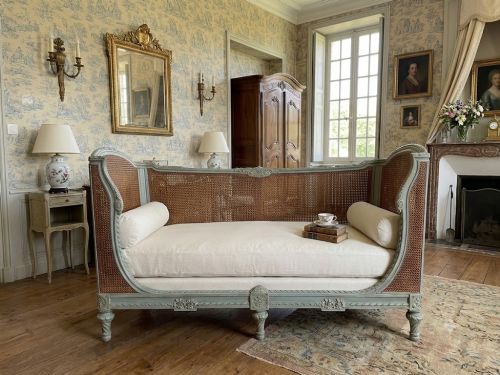
A period painted settee brings lightness to a room, offering seating in wood, iron, and fabric shaped by Gustavian, Regency, and Louis styles.
Period Painted Settee
A period painted settee spans sofas, garden benches, daybeds, and settles, appearing in forms from the eighteenth century through the early twentieth century. You meet Swedish and French pieces most frequently, often bearing Gustavian, Louis XVI, or Regency characteristics.
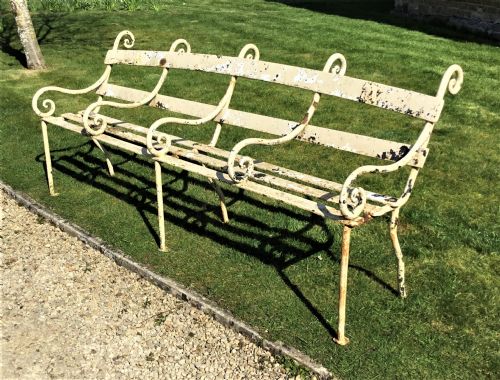
The selection ranges from indoor caned love seats and gilt sofas to outdoor wrought iron garden benches and pine settle benches. These seating options combine decorative painted surfaces with utilitarian function, reflecting the taste of their respective eras.
How they were made
Wood construction relies on materials like beech, pine, and satinwood, shaped into frames and finished with paint and sometimes gilt. Caning and fabric upholstery provide the seating surfaces on indoor daybeds and canapés.
Outdoor garden benches utilise wrought iron, shaped and riveted to create durable four-seater frames. Painted finishes protect the underlying wood and iron while defining the decorative style of each piece.
Period Painted Settee Retail Price Guide 2026
Typical asking prices for period painted settee among the pieces listed under this phrase on Sellingantiques today, from the lower quarter to the upper quarter. They describe what is for sale here now, not the wider market.
Some garden benches arrived with iron so stubborn that four adults barely budged them off the grass.
What varies in quality
Quality rests in the precision of the carved wooden details, the crispness of the painted or gilt surface, and the integrity of the caning or upholstery. Pieces displaying original paint layers carry greater authenticity than later overpainting.
The sophistication of the stylistic execution distinguishes standard workshop production from finer pieces reflecting Gustavian, French Empire, or Louis XV design principles.
The Period Painted Settee Glossary
- Canapé
- An upholstered sofa or settee, commonly associated with French seating design from various historical periods. These pieces often feature exposed wooden frames with paint or gilt.
- Gustavian
- A Swedish neoclassical style originating in the late eighteenth century, known for restrained ornamentation and light painted finishes. It provides a bright aesthetic distinct from heavier court styles.
- Regency
- A British design period spanning the early nineteenth century, drawing inspiration from classical Greek, Roman, and French Empire forms. Pieces from this era often incorporate striking lines and painted or metal elements.
- Settle
- A wooden bench featuring high backs and solid sides designed to block drafts in domestic interiors. These functional forms frequently appear in pine or other domestic timbers.
Period Painted Settee: Frequently Asked Questions
Where did people place these settees?
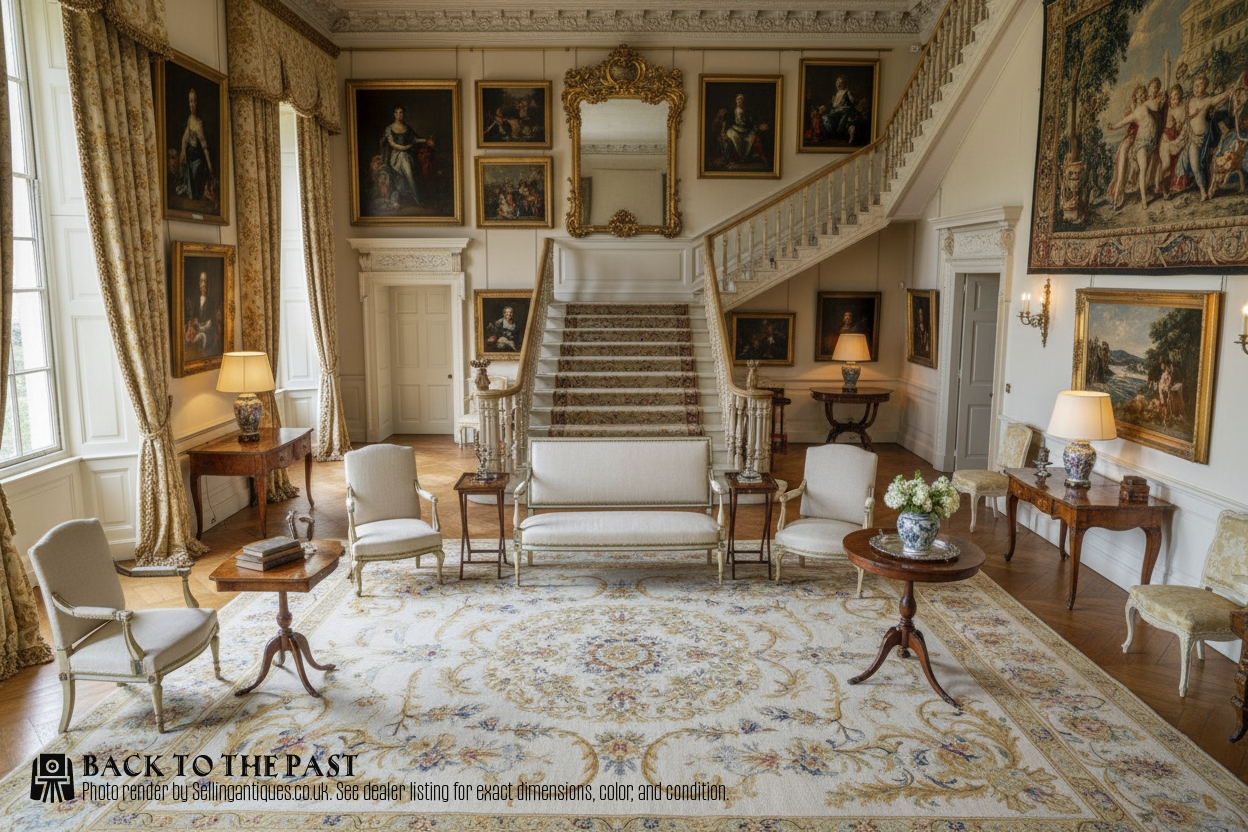
Owners positioned these pieces in formal drawing rooms, parlours, or bedchambers depending on their style and upholstery. Lighter painted daybeds and canapés suited indoor reception spaces.
Wrought iron and robust timber variants served in conservatories or outdoor garden settings. Each placement matched the material durability of the specific seating form.
How do I identify French versus Swedish pieces?
French examples often lean towards Louis XV, Louis XVI, or Empire styles with carved ornamentation and gilt accents. They emphasise courtly elegance and rich decorative framing.
Swedish pieces typically follow Gustavian aesthetics, favouring pale monochrome paintwork and simpler neoclassical lines. Their charm lies in understated elegance and functional restraint.
Are these settees comfortable for daily use?
Comfort varies significantly depending on whether the piece relies on a wooden plank, woven cane, or upholstered cushions. Caned seats and daybeds offer firm support suited to lounging rather than deep sinking.
Upholstered versions provide softer seating akin to modern sofas, though period springs and stuffing differ from contemporary builds. Many owners add loose cushions to soften firmer bench surfaces.
How should I clean a painted wooden frame?
Dusting with a dry, soft cloth prevents particulate buildup without risking the historical paint surface. Avoid harsh chemical cleaners or excess moisture that might lift fragile paint layers.
Preserving the original finish requires gentle handling and stable indoor humidity levels. Professional conservation advice helps address any flaking pigment.