





Period Outdoor Furniture
Period outdoor furniture brings enduring form to the terrace and lawn through substantial cast iron, wrought iron, and timber garden seating.
Period Outdoor Furniture
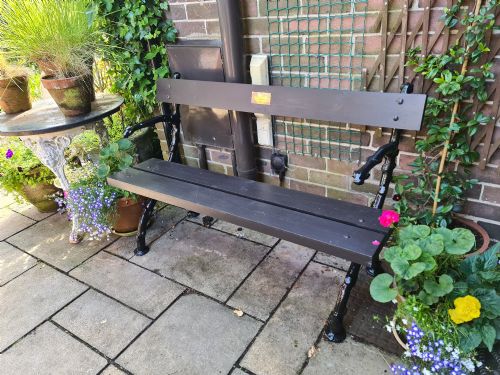
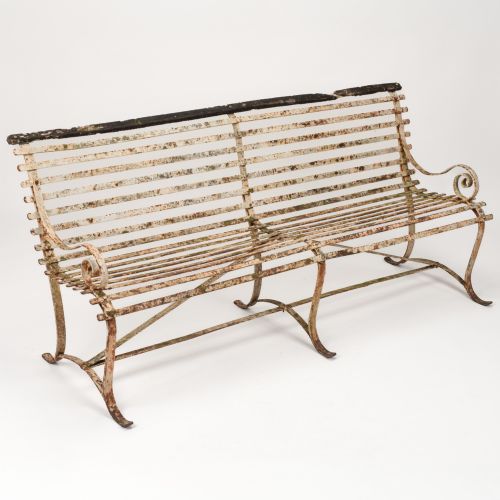
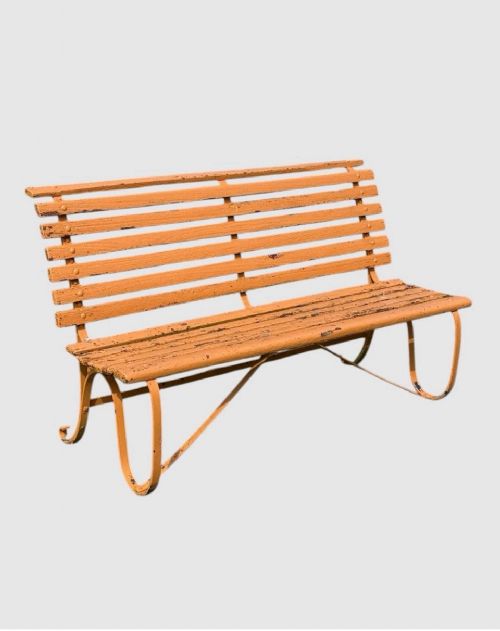
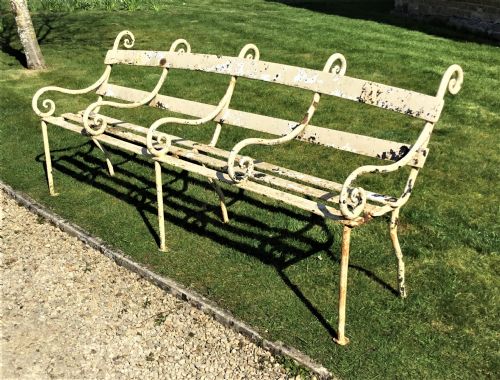
Period outdoor furniture comprises garden benches, garden chairs, and garden seats designed for nineteenth-century and early twentieth-century grounds. When you search for period outdoor furniture, you encounter sturdy patio and park benches built to endure the elements while offering decorative seating.
The versions most frequently met on this page date from the nineteenth century, including Victorian and Regency pieces. These forms range from single garden seats to sets of four garden chairs and four-seater garden benches.
Originating largely from British workshops and estates, these survivors include specific regional pieces such as those associated with the Calcutta Polo Club. Their persistence outdoors relies on robust metal frames paired with timber laths.
How they were made
Makers utilised cast iron for structural bench ends and ornate backs, allowing intricate patterns and foundry marks to emerge from the mould. Wrought iron provided the tensile strength needed for strapwork designs on seats and frames.
Timber and wood were integrated into the design for slats and seating surfaces, secured to metal frames with bolts or rivets. Paint finishes were applied to protect the underlying metal and wood from corrosion and weathering in outdoor settings.
Period Outdoor Furniture Retail Price Guide 2026
Typical asking prices for period outdoor furniture among the pieces listed under this phrase on Sellingantiques today, from the lower quarter to the upper quarter. They describe what is for sale here now, not the wider market.
Several chairs on this page survived a stint at the Calcutta Polo Club before finding their way back to British gardens.
What varies in quality
Quality rests in the crispness of the cast iron moulding and the complexity of the ironwork, such as detailed Regency strapwork versus simpler utilitarian forms. Heavier, more substantial castings indicate a higher grade of manufacture intended for prominent estate use.
The integrity of the surviving materials dictates the standing of a piece, balancing the original patination of the painted surfaces against structural soundness. Complete sets of matching chairs or benches demonstrate greater consistency than assembled groupings.
The Period Outdoor Furniture Glossary
- Cast iron
- A hard, brittle alloy poured into moulds to create decorative bench ends and ornate structural supports. This material forms the rigid backbone of many nineteenth-century garden seats.
- Wrought iron
- A tough, malleable iron worked by hand or machine into strapwork and linear supports. It bends without snapping, suiting the open scrollwork seen on Regency benches.
- Strapwork
- A decorative pattern formed of flat, interlaced metal bands resembling leather straps. This technique defines the airy backrests and seats of Regency-style garden furniture.
- Patina
- The surface sheen and weathering acquired by paint, metal, and timber over decades of outdoor exposure. Collectors value this natural record of age above newly applied finishes.
Period Outdoor Furniture: Frequently Asked Questions
What defines period outdoor furniture?
Period outdoor furniture consists of genuine nineteenth-century and early twentieth-century garden seating made from durable materials like cast iron and wrought iron.
These pieces reflect the design movements of their respective eras, incorporating decorative Victorian casting or Regency strapwork into functional park and patio benches.
How do I care for antique garden metal?
Historic metal benefits from gentle cleaning and the maintenance of protective paint layers to prevent oxidation. Keeping the iron dry during damp winter months helps preserve the underlying structure.
Timber components attached to the iron frames require appropriate oils or treatments compatible with historic wood to prevent splitting.
Can I leave these benches outside?
These pieces were built specifically for outdoor use on lawns, terraces, and parklands. Their heavy iron frames and weather-resistant timber are designed to withstand exposure to the elements.
Many owners choose to store them under cover or in sheltered spots during harsh winter weather to protect the painted surfaces and wooden slats.