

Period Oak Storage
Period oak storage pieces bring centuries of rugged utility and rich grain into modern interiors.
Period Oak Storage
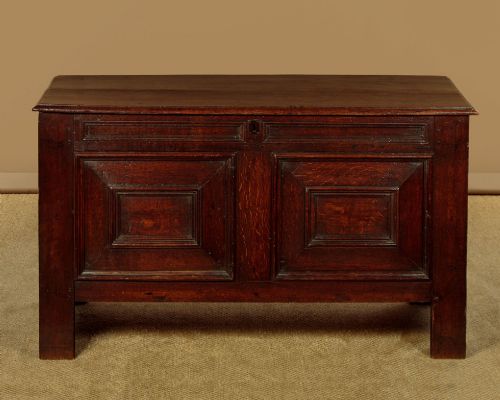
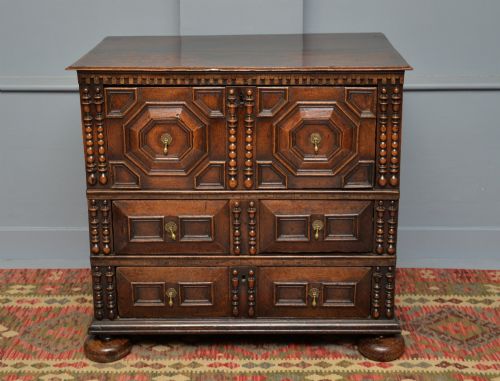
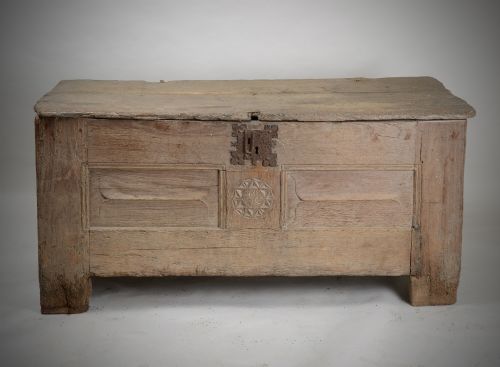
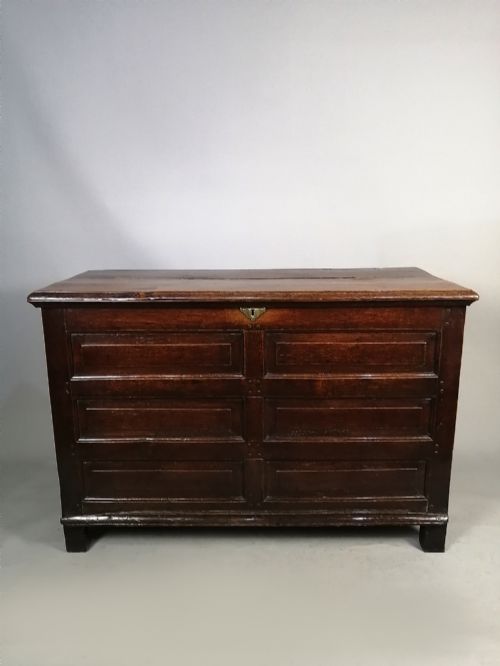
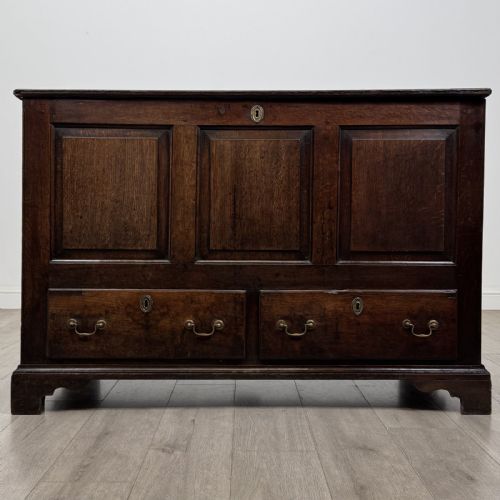
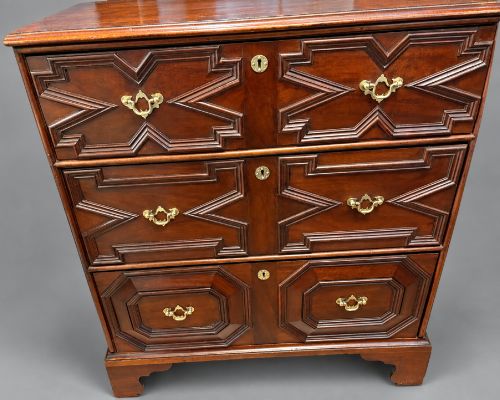
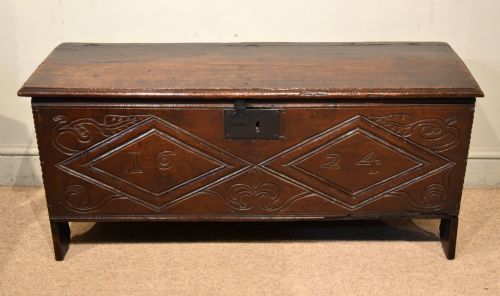
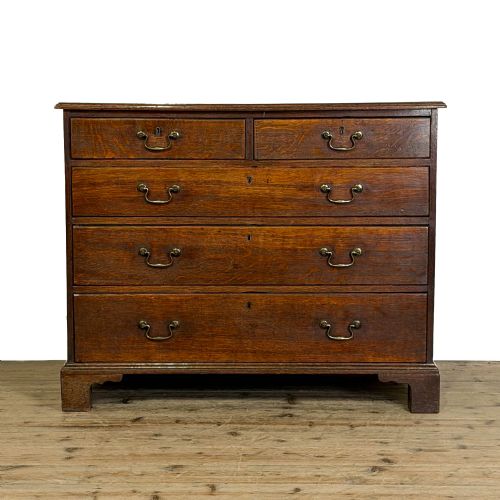
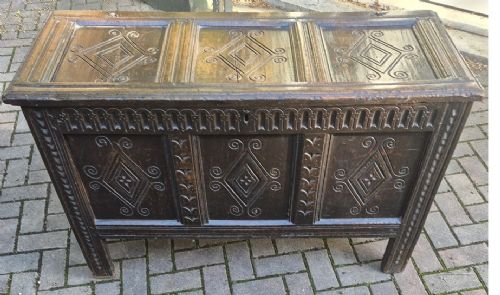
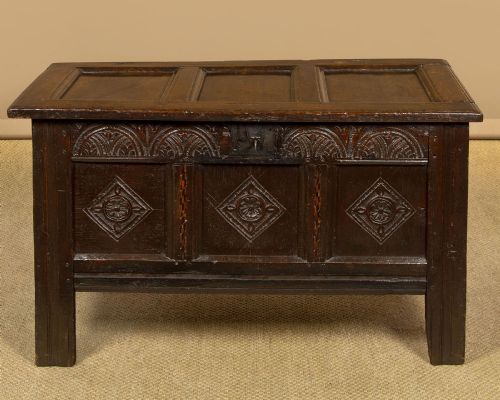
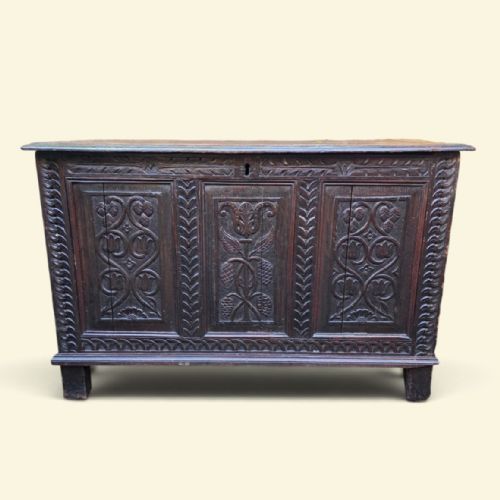
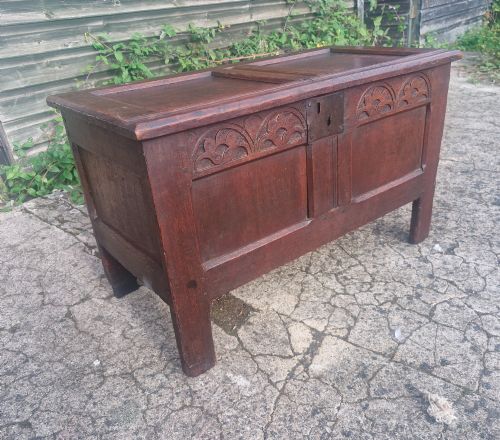
When you search for period oak storage, you encounter heavy timber vessels built for domestic security and utility. These functional items primarily comprise coffers, storage chests, mule chests, document boxes, and chests of drawers.
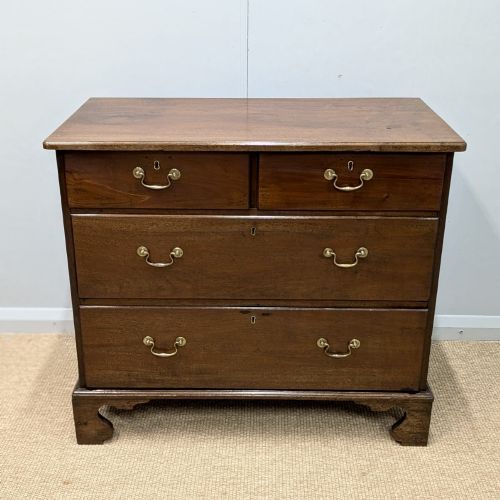
The pieces span several centuries of British and European craftsmanship. Examples range from Elizabethan boarded chests and Jacobean panelled coffers to Georgian chests of drawers and cupboards.
Coffers and chests dominate the selection, often featuring hinged lids and deep interior spaces designed for textiles and valuables. Smaller forms such as Bible boxes and document boxes also appear frequently.
How they were made
Joiners and carpenters constructed these items using English oak, frequently supplemented by iron and brass hardware for hinges, locks, and handles. Frame and panel construction allowed timber to expand and contract naturally without splitting.
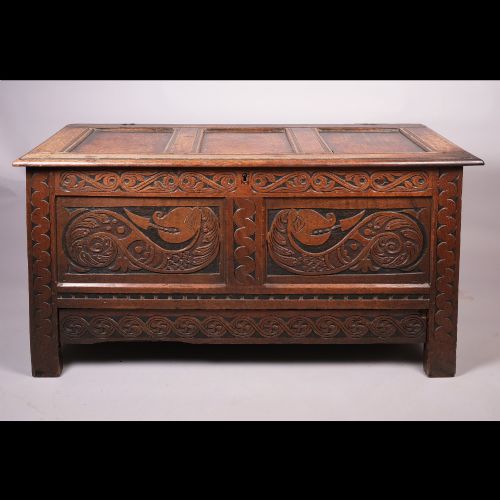
Surface decoration involved carving, geometric moulding, and occasionally marquetry inlay using contrasting woods. Iron and wrought iron provided structural reinforcement and durable fastening mechanisms for daily use.
Period Oak Storage Retail Price Guide 2026
Typical asking prices for period oak storage among the pieces listed under this phrase on Sellingantiques today, from the lower quarter to the upper quarter. They describe what is for sale here now, not the wider market.
The listings span multiple centuries, incorporating oak, iron, brass, glass, and marquetry inlay across styles from Elizabethan to Georgian.
What varies in quality
The sophistication of the joinery and the depth of the carving determine the standing of an individual item. Crisp geometric mouldings, well-balanced proportions, and untouched original surfaces elevate a coffer or chest above simpler utilitarian boxes.
The integrity of the timber and the retention of original hardware play a major role in establishing the character of each piece. Surviving patination built up over centuries indicates minimal intervention and careful preservation by past owners.
The Period Oak Storage Glossary
- Coffer
- A large wooden chest with a hinged lid, traditionally used for storing household valuables, linens, and documents. These sturdy containers formed a primary item of furniture in early domestic interiors.
- Mule chest
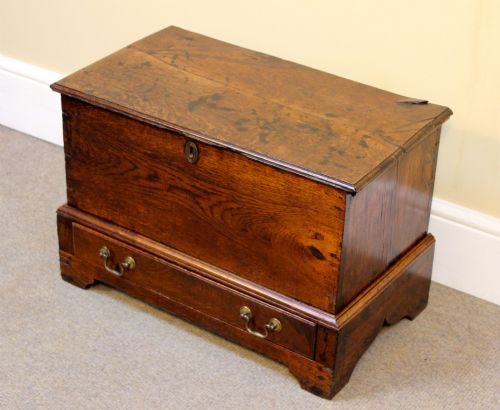
- A storage chest featuring one or more drawers built into the base beneath the main compartment. This hybrid form bridges the traditional coffer and the modern chest of drawers.
- Joined oak
- Furniture constructed using mortise and tenon joints secured with wooden pegs rather than relying solely on nails or glue. This technique provides exceptional structural strength.
- Bible box
- A small tabletop or desk box designed originally to hold a family Bible and writing materials. They often feature sloping lids and fitted interior compartments.
- Marquetry inlay
- The art of applying small pieces of veneer to a structural surface to form decorative patterns. Craftsmen utilised this technique to adorn panels on mid-seventeenth-century chests.
Period Oak Storage: Frequently Asked Questions
How do I care for period oak furniture?
Keep wooden storage pieces away from direct heat sources and rapid humidity changes to prevent the timber from splitting. Apply a suitable wax polish occasionally to nourish the grain and protect the surface.
Avoid excessive liquid cleaners and harsh chemical polishes. Gentle dusting with a soft cloth preserves the historic patination accumulated over the centuries.
What is the difference between a coffer and a chest?
A coffer traditionally refers to a heavy wooden box with a lid, often constructed with joined panels and utilised for secure storage. The term chest is frequently used interchangeably but can also describe stacked drawer units.
Early examples on this page are predominantly boarded or panelled coffers designed for household goods. Later Georgian variations transition firmly into multi-drawer storage configurations.
How do I date an antique oak chest?
Examine the construction methods, tool marks, and overall joinery style to estimate the period of manufacture. Hand-riven timber, pegged mortise and tenon joints, and wrought iron hinges point toward earlier centuries like the sixteenth and seventeenth.
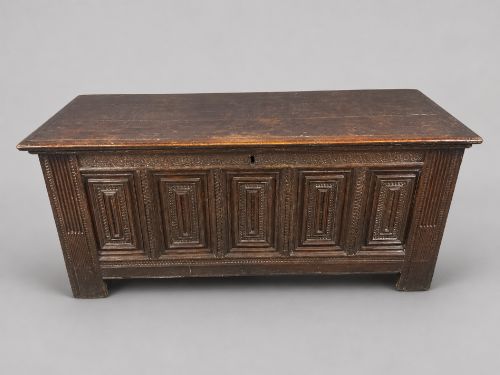
Stylistic cues such as Elizabethan carved winged beasts, Jacobean geometric mouldings, or later Georgian bracket feet help narrow down the decade. Comparing the wood shrinkage and fastener types also clarifies the age.
Where were these storage pieces originally used?
These robust wooden containers served functional roles in domestic dwellings, churches, and public buildings throughout Britain and Europe. They housed heavy woollens, table linen, legal documents, and church plate securely.
Bedchambers and great halls accommodated large coffers and mule chests for daily storage needs. Smaller boxes rested on tables or desks to safeguard precious books and personal effects.