


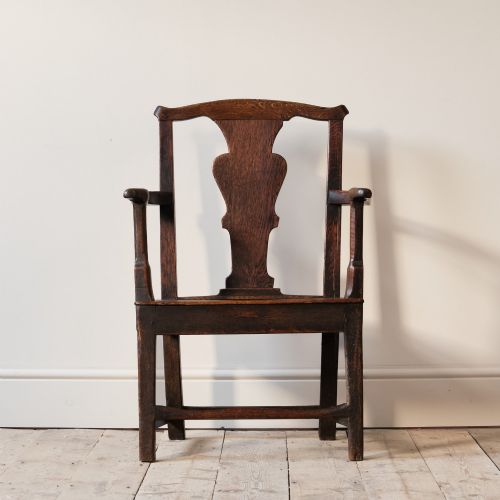
Period Oak Carver Chairs
These period oak carver chairs bring substantial presence to a room, offering sturdy construction and distinct historic character.
Period Oak Carver Chairs
When you search for period oak carver chairs, you encounter substantial armchairs designed primarily for dining or fireside use. These examples span several centuries, with particular representation from the seventeenth and eighteenth centuries.
The forms range from vernacular country armchairs and ladderback designs to elaborate Gothic Revival and Arts and Crafts interpretations. Many pieces combine oak frames with secondary woods such as elm or ash.
You will find single armchairs alongside larger sets of dining chairs that include carvers among side chairs. Their origins stretch from local vernacular workshops to grand country houses.
How they were made
Master craftsmen built these chairs predominantly using solid oak, often incorporating elm, ash, and mahogany for specific components. Joinery relied heavily on traditional mortise and tenon construction secured with wooden pegs.
Surface decoration involved hand carving, twist turning on legs and stretchers, and panel construction. Seats range from solid timber planks to drop-in pads upholstered in fabric, velvet, or brass-tacked leather.
Period Oak Carver Chairs Retail Price Guide 2026
Typical asking prices for period oak carver chairs among the pieces listed under this phrase on Sellingantiques today, from the lower quarter to the upper quarter. They describe what is for sale here now, not the wider market.
Master's armchairs from the seventeenth century provide an imposing seat that easily commands the corner of any modern room.
What varies in quality
The distinction between ordinary and superior pieces rests on the integrity of the timber and the crispness of the hand carving. Early seventeenth-century examples display robust joinery and deep patination accumulated over generations.
Proportion and comfort also differentiate the range, with vernacular country pieces offering rustic charm while formal Georgian and Regency designs demonstrate refined architectural balance.
Charles Bevan
The Period Oak Carver Chairs Glossary
- Carver chair
- An armchair, typically designed as part of a dining set to sit at the head of a table. These pieces feature structural armrests integrated into the framework.
- Vernacular
- Objects made by local craftsmen following regional traditions rather than high-style metropolitan patterns. This approach often results in charmingly idiosyncratic construction.
- Turned leg
- A wooden support shaped on a lathe, ranging from simple bobbin turns to complex spiral twist designs. This technique adds decorative movement to structural elements.
- Stretcher
- A horizontal support connecting the legs of a chair to provide rigidity and strength. Seventeenth and eighteenth-century examples frequently employ multiple stretchers for stability.
- Patina
- The surface sheen and colour developed by wood over centuries through handling, light exposure, and polishing. This quality serves as a key indicator of genuine age.
Period Oak Carver Chairs: Frequently Asked Questions
How do I date an oak carver chair?
Dating relies on examining construction methods, timber choice, and decorative motifs. Early pieces from the seventeenth century often feature peg joinery and heavy panel backs.
Later eighteenth-century examples show lighter proportions, refined turnings, and regional vernacular styles characteristic of specific periods like the Georgian era.
Are these chairs comfortable for daily use?
Many period carver chairs provide sturdy seating, though nineteenth-century and Edwardian interpretations often feature upholstered drop-in seats for added comfort.
Early seventeenth-century solid timber seats encourage upright posture rather than relaxed lounging.
What is the difference between a carver and a side chair?
A carver chair includes structural armrests designed to accommodate a person sitting with greater formality or ease. Side chairs lack arms and are built narrower to fit multiple seats around a dining table.
In historic dining sets, carvers typically sat at the head and foot of the table.
How should I care for antique oak furniture?
Maintain oak carvers by keeping them away from direct heat sources and dramatic humidity fluctuations, which can cause timber to split. Regular dusting with a dry cloth preserves the natural surface.
Applying occasional natural wax helps nourish the wood and maintain its historic finish without building up heavy residues.