




Period Metal Lamp
A period metal lamp brings weight and steady illumination to a room, spanning brass, bronze, and gilt bronze across Victorian, Edwardian, and earlier eras.
Period Metal Lamp
A period metal lamp encompasses lighting fixtures formed in bronze, brass, and gilt bronze, ranging from oil lamps and table lights to grand chandeliers and wall sconces. When searching for a period metal lamp, buyers encounter pieces fashioned in Victorian, Edwardian, and earlier nineteenth-century workshops.
The selection includes table lamps, oil lamps, and chandeliers shaped through classical revival, chinoiserie, and Japanese Meiji designs. Italian cast brass and bronze lucerna oil lamps sit alongside French gilded bronze wall sconces and heavy cast bronze chandeliers.
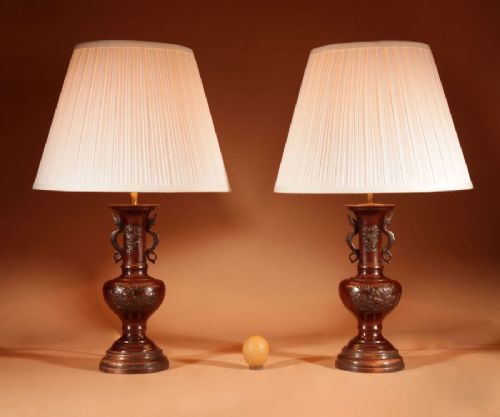
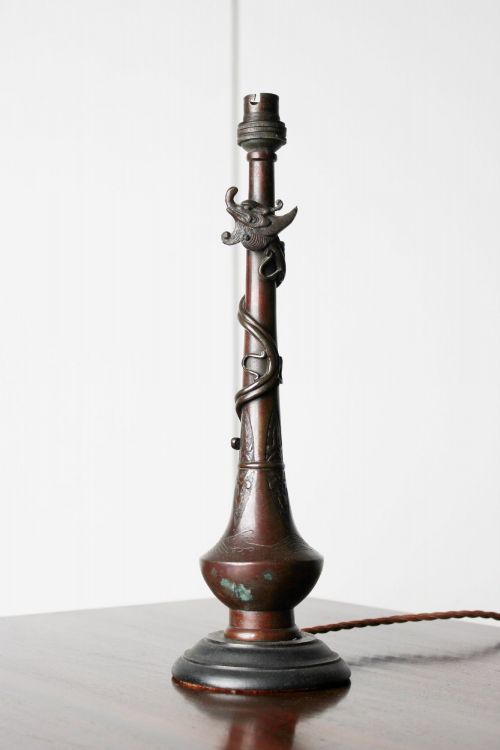
Meiji period Japanese bronze lamps and Edwardian bronzed chandeliers dominate the forms, offering distinct cultural motifs and heavy metal construction. Buyers meet pieces adapted from earlier oil-burning formats alongside dedicated electrical fixtures from the early twentieth century.
Assessing quality and craftsmanship
The integration of decorative elements like cloisonne enamel or classical revival motifs separates standard production from exceptional examples. Superior items retain their original surface treatments and structural integrity without excessive wear to the patination.
Period Metal Lamp Retail Price Guide 2026
Typical asking prices for period metal lamp among the pieces listed under this phrase on Sellingantiques today, from the lower quarter to the upper quarter. They describe what is for sale here now, not the wider market.
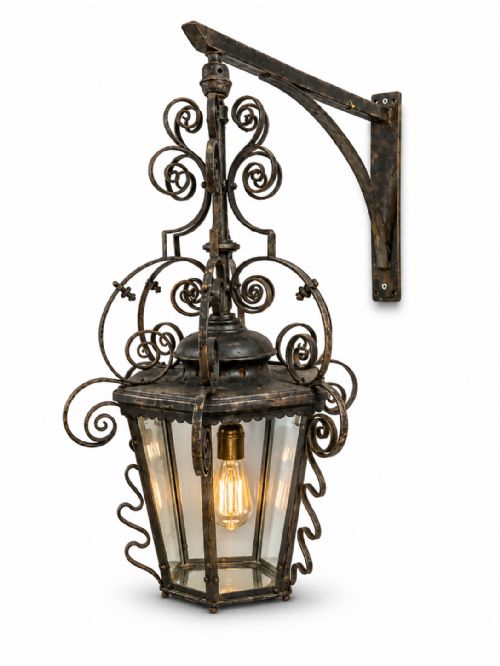
The object forms span table lamps, oil lamps, multi-armed chandeliers, wall lanterns, and hanging brackets of Italian, French, and Japanese origin.
G E C
The Period Metal Lamp Glossary
- Lucerna
- An Italian oil lamp design featuring multiple spouts and a central stem, often cast in brass or bronze during the eighteenth and nineteenth centuries. These traditional Italian lamps frequently incorporate pickers and snuffers suspended from chains.
- Gilt bronze
- Metalwork coated with a thin layer of gold, providing a rich, reflective surface seen on French wall sconces and decorative brackets. This technique enhances the sculptural details of classical revival pieces.
- Cloisonne
- An enamelwork technique where metal wire creates compartments on a bronze or brass body, filled with coloured paste and fired. Japanese Meiji period examples utilise this method to produce vibrant decorative lamps and vases.
- Chandelier
- A branched, suspended lighting fixture designed to hold multiple candles or light bulbs. The evidence shows large cast bronze examples with multiple arms.
- Patinated bronze
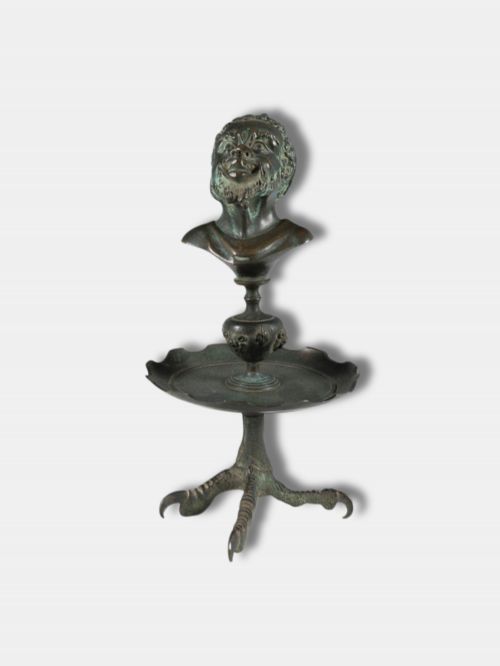
- Bronze that has developed a darkened or aged surface coating through chemical treatment or natural oxidation. This finish highlights the underlying sculptural contours of figures and mounts.
Period Metal Lamp: Frequently Asked Questions
How do I date a metal lamp?
Dating relies on examining the casting methods, material composition, and stylistic motifs associated with Victorian, Edwardian, or Meiji periods. Heavy cast bronze and specific revival styles often point to nineteenth or early twentieth-century production.
Changes in manufacturing techniques, such as the transition from oil-burning lucerna lamps to electrified brackets, also help establish the approximate decade of creation.
Were these lamps originally electric?
Many pieces began as oil lamps, such as Japanese Meiji bronze lamps and Italian brass lucerna designs, before undergoing conversion for electricity later. Other items, including Edwardian chandeliers and French wall sconces, were constructed as electrical fixtures during the early twentieth century.
Buyers should inspect the internal wiring and mounting points to understand how a specific lamp was adapted over time.
What is the difference between brass and bronze?
Bronze is an alloy primarily composed of copper and tin, offering a heavier weight and a darker natural patination that accepts gilding well. Brass is an alloy of copper and zinc, generally displaying a brighter golden hue when unpolished.
Both metals were cast into intricate shapes for period lighting, with bronze often favoured for sculptural figures and fine chasing.
How do I clean an antique metal lamp?
Maintenance requires gentle dusting with a soft, dry cloth to protect the aged patination and delicate surface finishes like gilt bronze or cloisonne. Aggressive metal polishes should be avoided on patinated surfaces as they strip away historical character.
Specialist care is recommended for gilded or enamelled sections to preserve the integrity of the original craftsmanship.