




Period Mahogany Caddy
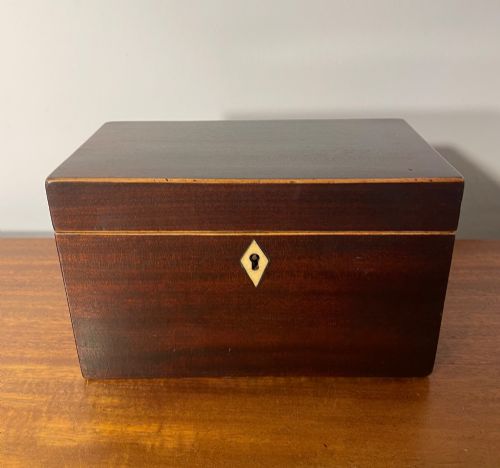
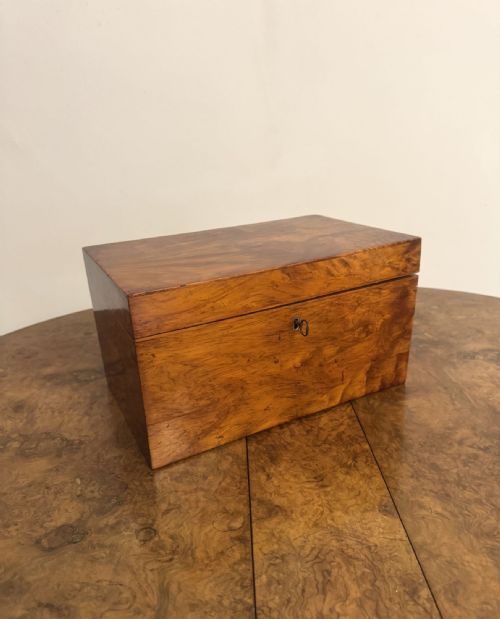
These period mahogany caddy examples are fine timber boxes built to hold leaf tea securely, prized for rich grain and period craftsmanship.
Period Mahogany Caddy
When you search for a period mahogany caddy, you enter a field dominated by Georgian and Regency examples fashioned from solid timber and rich veneers. These small storage chests served a valuable household commodity when tea was kept under lock and key.
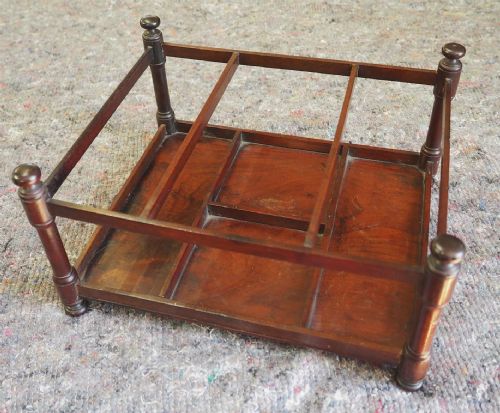
The pieces on this page span several decades, moving from Georgian tea caddy forms into Regency boxes and related cellarettes or canterburys. Most variations utilise mahogany as the primary ground, often enhanced with contrasting stringing or interior compartments.
How they were made
Cabinet makers constructed each period mahogany caddy using dense tropical hardwoods, frequently selecting flame mahogany veneer for figured surfaces. Skilled joinery joined the box sides securely while allowing for timber movement over time.
Interior fitments often incorporate removable canisters, mixing bowls, and bone escutcheons around the keyholes. Delicate inlay work in ebony and brass fittings completed the construction of finer boxes.
Period Mahogany Caddy Retail Price Guide 2026
Typical asking prices for period mahogany caddy among the pieces listed under this phrase on Sellingantiques today, from the lower quarter to the upper quarter. They describe what is for sale here now, not the wider market.
Listings feature Georgian and Regency eras, utilising mahogany, brass, inlay, bone, walnut, ebony, lead, and flame mahogany veneer.
What varies in quality
Quality in a period mahogany caddy rests on the selection of timber veneers and the crispness of any inlay work. Finer boxes display symmetrical grain patterns across the lid and sides rather than plain, unfigured boards.
The survival of internal compartments and original locking mechanisms elevates the standing of a piece. Subtly shaped sarcophagus profiles and refined brass handles distinguish superior examples from plain utilitarian boxes.
Gillows
The Period Mahogany Caddy Glossary
- Flame mahogany
- A veneer cut to produce a distinctive flickering, flame-like pattern across the timber surface. This decorative figure was favoured by Georgian cabinet makers for principal display faces.
- Stringing
- Narrow lines of contrasting wood or light material inlaid into the surface of the timber. It outlines the edges and geometric panels of many Regency boxes.
- Escutcheon
- A small protective plate surrounding a keyhole, frequently fashioned from bone, brass, or ivory. It protected the surrounding mahogany from wear caused by the key.
- Sarcophagus
- A box shape featuring a domed or sloping lid above a tapered body, resembling classical monumental forms. This silhouette became popular during the Regency period for larger caddies and cellarettes.
Period Mahogany Caddy: Frequently Asked Questions
What was a tea caddy used for?
A period mahogany caddy stored precious dry tea leaves under lock and key in the parlour or dining room. Wealthy households kept tea tightly controlled due to its high cost.
Inside the box, compartmentalised canisters kept different tea varieties separate and fresh. Mixing bowls let the host blend leaf types before serving.
How do I date a mahogany caddy?
Dating relies on observing the overall silhouette, wood choice, and construction details of the box. Georgian examples often feature simpler rectangular or octagonal forms with delicate inlay.
Regency pieces tend toward bolder sarcophagus shapes with heavy brass paw feet or ring handles. Secondary timbers inside the box also help pinpoint the era of manufacture.
Where were tea caddies kept?
These boxes sat on sideboards, tea tables, or dedicated pedestals in the principal reception rooms of the house. They remained visible as status objects when not actively dispensing tea.
Servants retrieved the key when tea was to be served to guests by the master or mistress of the house.
Did all caddies have mixing bowls?
Many fine caddies included a central glass or ceramic bowl for blending black and green teas before brewing. Not every box retained this feature, as smaller models focused purely on leaf storage.
Replacement bowls are common since fragile glassware frequently broke over centuries of domestic use.