


Period Low Table
A period low table brings low-slung utility to a room, drawing on centuries of craftsmanship in oak, walnut, and lacquer.
Period Low Table
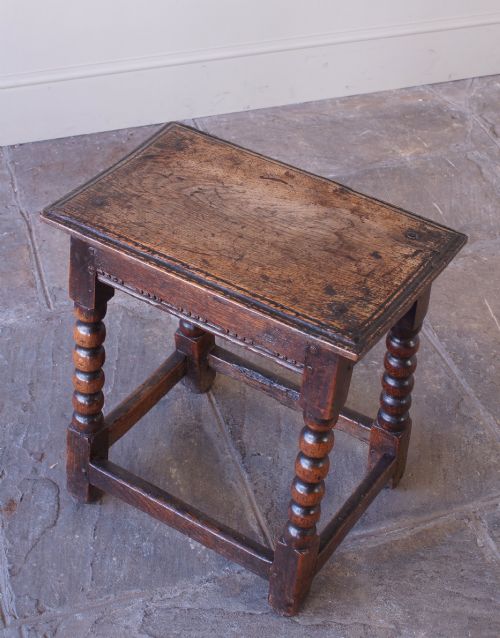
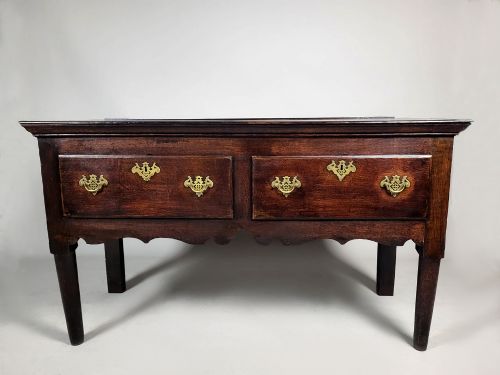
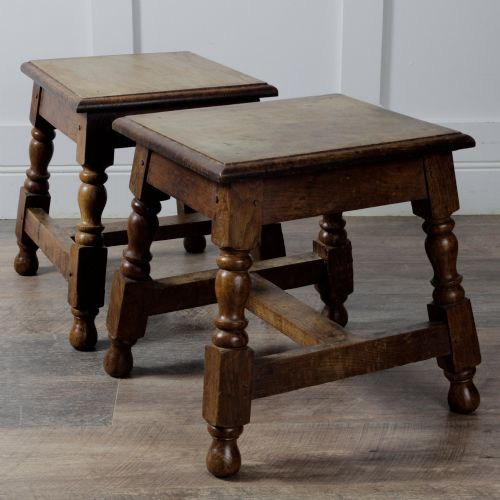
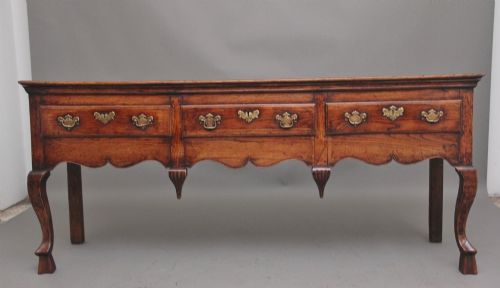
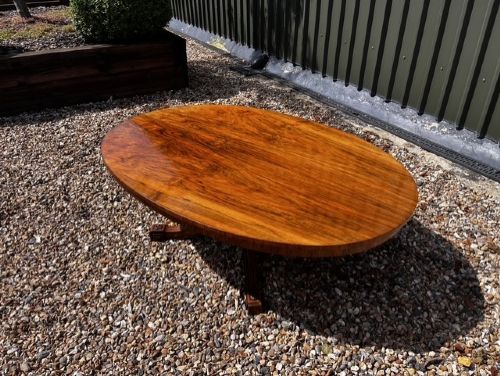
The search for a period low table encompasses various low-profile forms including joint stools, lowboys, dresser bases, and coffee tables. These pieces sit lower than standard tables, designed originally for specific domestic tasks or kneeling use.
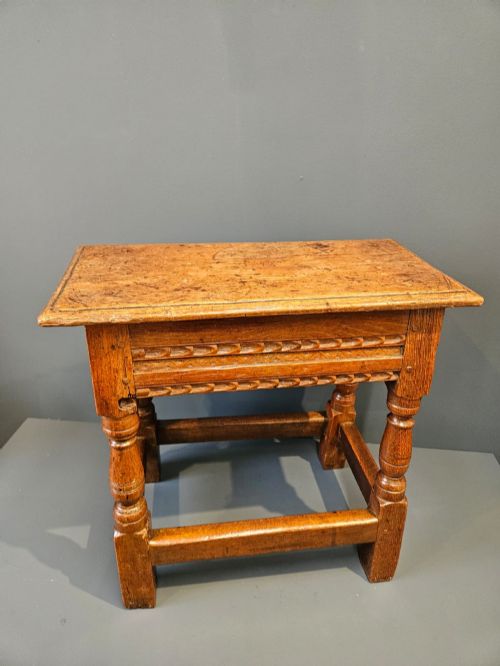
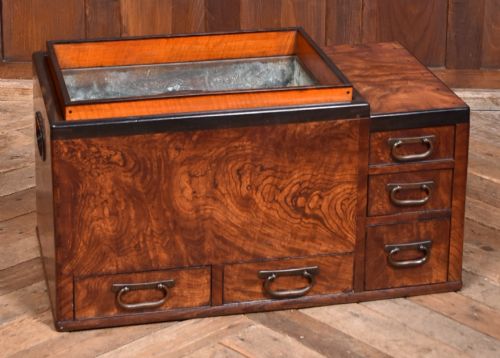
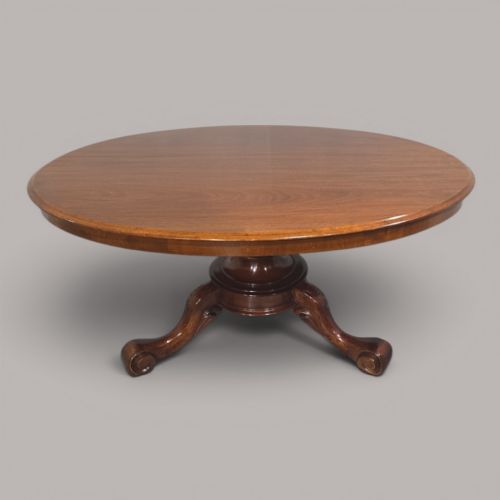
The version most commonly met on this page is the sturdy oak joint stool or lowboy originating from the seventeenth and eighteenth centuries. Alongside these British country pieces, the selection includes Japanese hibachi and chabudai tables, Chinese padouk and lacquered pieces, and Victorian coffee tables.
Originating from diverse traditions, these low surfaces cross stylistic boundaries from Jacobean and Queen Anne to Regency and Traditional Japanese. Buyers encounter everything from rough elm tea tables to finely polished walnut serving pieces.
Evaluating the Craft
Quality depends upon the integrity of the timber and the retention of original surface patination. Pieces that retain their early brasses, unblemished lacquer, or authentic tool marks command greater respect from collectors.
Proportion and structural honesty separate superior examples from lesser alternatives. The best items display crisp geometric mouldings, well-balanced legs, and minimal timber replacement over their centuries of use.
Listings span multiple centuries, incorporating seventeenth-century joint stools, eighteenth-century dressers, and twentieth-century Asian lacquerwork.
Holland & Sons Of London
The Period Low Table Glossary
- Joint Stool
- A sturdy wooden stool built with mortise and tenon joints, commonly used for seating or as a low platform in early centuries. These pieces often serve as compact low tables in modern interiors.
- Low Boy
- A small eighteenth-century dressing or side table featuring drawers beneath a flat top, typically raised on slender cabriole or straight legs. They are prized for their elegant proportions and versatility.
- Dresser Base
- The lower portion of a traditional kitchen or dining room dresser, equipped with drawers and occasionally a potboard shelf below. They offer substantial surface area and deep storage drawers.
- Chabudai
- A traditional short-legged table used in Japan for partaking in meals or tea while kneeling on tatami mats. Elm and other local timbers feature prominently in their simple construction.
- Padouk
- A dense tropical hardwood known for its rich reddish colour, utilised in fine Asian furniture production. It provides exceptional durability and takes a smooth polish.
Period Low Table: Frequently Asked Questions
What is a joint stool used for?
Originally built for seating at dining tables during the sixteenth and seventeenth centuries, joint stools gained their name from the intricate joinery required to assemble them securely. Today, their sturdy flat tops and manageable height make them popular as compact side tables or plant stands.
Their robust construction allows them to endure heavy daily use, functioning well beside a sofa or in an entryway.
How do I date an oak lowboy?
Dating an oak lowboy involves examining the construction methods of the drawers, the tooling marks on the timber, and the style of the legs. Hand-cut dovetails and pegged joints usually point towards the seventeenth or eighteenth century.
Secondary woods and the wear pattern around the drawer pulls also provide valuable clues to determine whether a piece originates from the Georgian period or later.
Can I use a dresser base as a coffee table?
Dresser bases are generally taller than standard coffee tables, but certain low examples fit well in spacious living rooms with generous seating. Their deep drawers and open potboards provide useful storage for books and media.
Checking the exact height and clearance dimensions ensures the piece matches the scale of existing sofas and armchairs.