




Period Low Stool
These period low stool examples offer timeless utility and seating, bringing centuries of craftsmanship directly into your home.
Period Low Stool
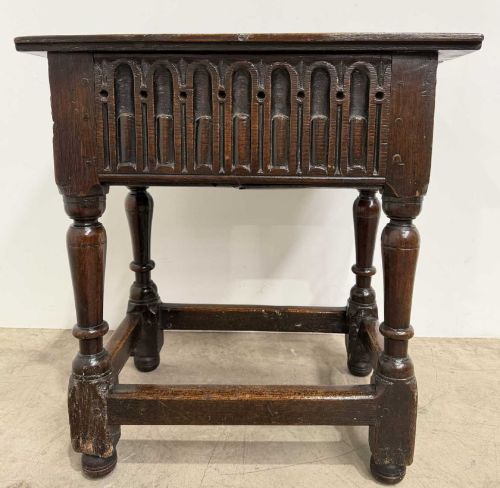
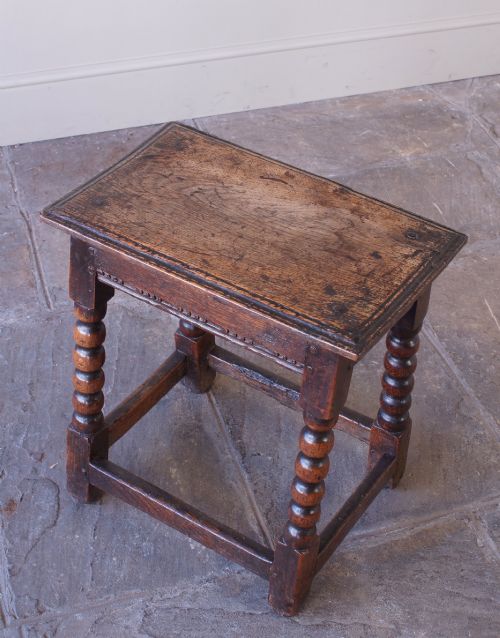
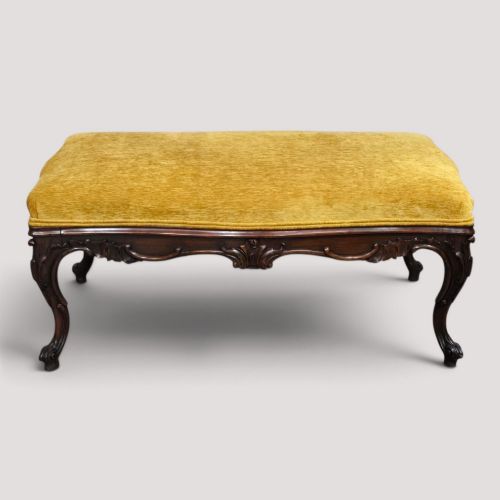
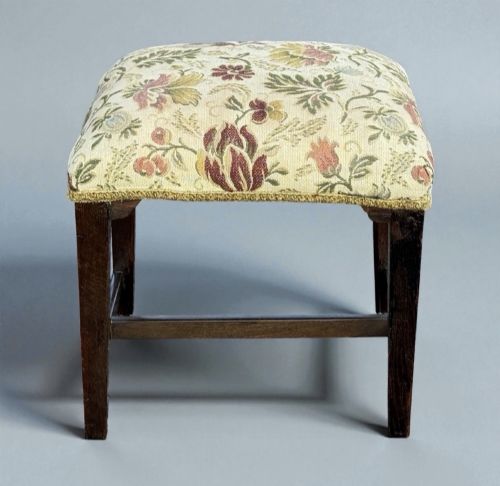
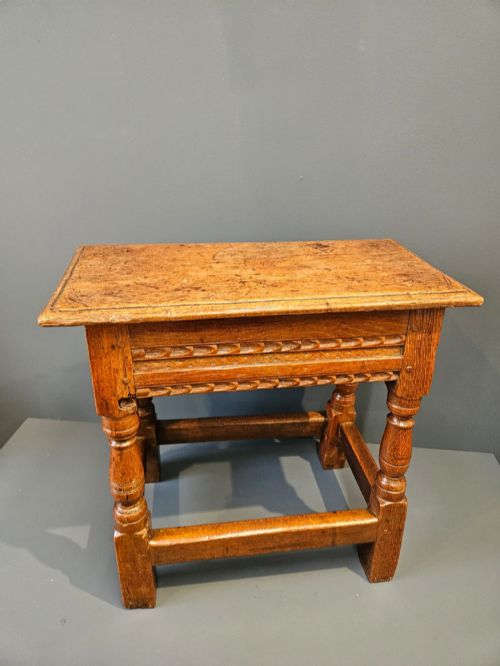
A period low stool provides compact seating and functional support, appearing across various historical eras including the seventeenth century, Georgian period, and Regency era. Buyers searching for a period low stool will encounter robust joint stools, upholstered footstools, and carved box forms.
The materials and styles span from heavy oak joint construction to refined rosewood and walnut designs. Many pieces reflect traditional craftsmanship, ranging from Jacobean heaviness to the cleaner lines of later decades.
How they were made
These stools rely heavily on solid timbers such as oak, walnut, rosewood, and mahogany, shaped with traditional joinery methods. Wooden pegs frequently secure the joints in earlier examples, ensuring structural stability without modern fasteners.
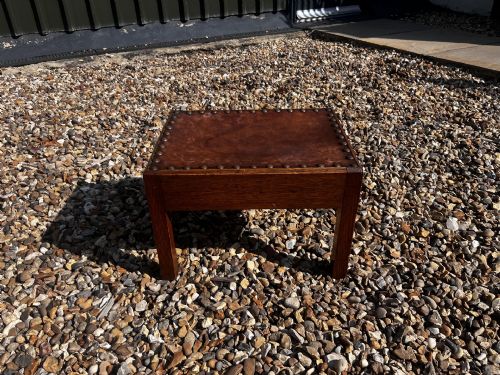
Upholstered versions incorporate textiles, leather, and fabric surfaces, while brass details occasionally appear on more elaborate pieces. Carved ornamentation marks specific styles, from Gothic trestle forms to Regency scroll tops.
Period Low Stool Retail Price Guide 2026
Typical asking prices for period low stool among the pieces listed under this phrase on Sellingantiques today, from the lower quarter to the upper quarter. They describe what is for sale here now, not the wider market.
The listings feature oak, walnut, rosewood, and mahogany materials spanning from the seventeenth century through the early twentieth century.
What varies in quality
Quality rests on the integrity of the timber and the retention of original construction methods, such as pegged joints and period-appropriate hardware. Pieces featuring intricate hand-carved details or specific stylistic attribution distinguish themselves from simpler utilitarian items.
The preservation of original surface finishes and early upholstery materials elevates a piece above those that have undergone extensive modern replacement or alteration.
Arthur Simpson Of Kendal·Mathew Gregson
The Period Low Stool Glossary
- Joint stool
- A sturdy wooden stool constructed with mortise and tenon joints, traditionally pegged together.
- Box stool
- A low seating form incorporating an internal compartment accessed via the top surface.
- Scroll top
- A decorative terminal shaped in a sweeping curve, often found on Regency footstools.
- Trestle form
- A structural support consisting of uprights fixed to a horizontal base.
Period Low Stool: Frequently Asked Questions
What is a joint stool?
A joint stool is an early wooden seating form built with tight mortise and tenon joints, often secured by wooden pegs rather than metal nails.
These sturdy pieces originally served multiple domestic purposes around the home, including sitting, reaching high shelves, or serving as small side tables.
How do I date a wooden stool?
Dating relies on identifying the timber species, construction techniques, and stylistic ornamentations characteristic of specific historical eras.
Examining the wear patterns, tool marks, and fastening methods helps distinguish seventeenth-century oak examples from later nineteenth-century revivals.
Where were low stools placed?
Low stools found placement beside hearths, adjacent to dressing tables, or near larger chairs to support tired feet.
Their compact height made them easily movable to wherever additional temporary seating or foot elevation was required.
Are all low stools upholstered?
Many low stools feature solid wooden tops, particularly earlier joint and boarded forms made entirely of oak.
Upholstered versions with fabric, leather, or textile coverings emerge more prominently in later periods such as the Georgian and Regency eras.