





Period Lounge Seating
Period lounge seating brings together centuries of comfortable armchairs, settees, and daybeds designed for relaxation.
Period Lounge Seating
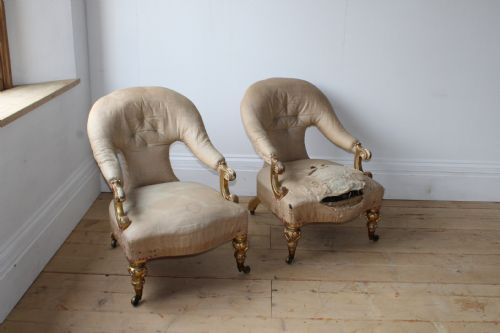
Period lounge seating encompasses historical armchairs, settees, and chaise longues designed for comfort and reception rooms. When searching for period lounge seating, buyers encounter diverse forms ranging from Regency library chairs to Victorian walnut armchairs.
Origins vary between English and French workshops, utilising traditional framing techniques and classic upholstery configurations. These items provide both functional seating and historical character for modern interiors.
Materials and Construction
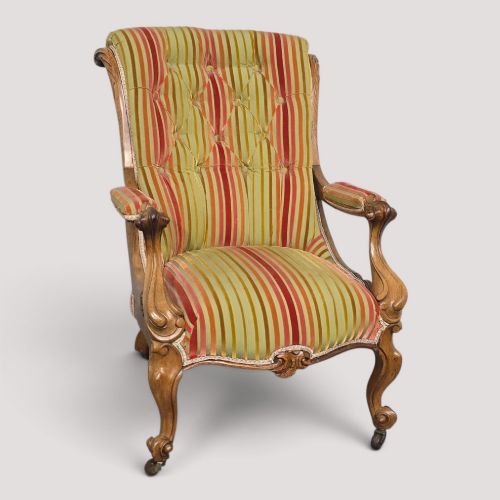
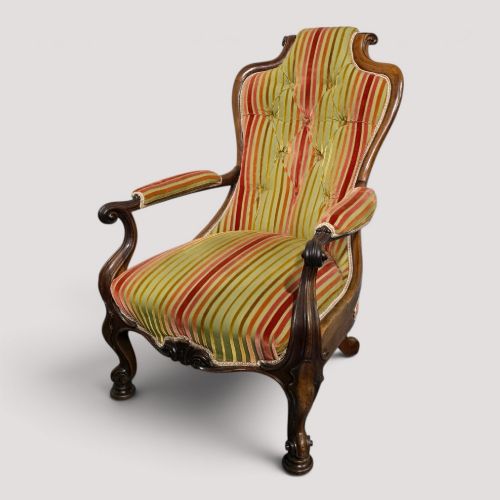
Frames are constructed from solid timbers such as mahogany, walnut, rosewood, and gilt-wood. These hardwoods provide structural integrity and allow for detailed hand-carved ornamentation along the show frames.
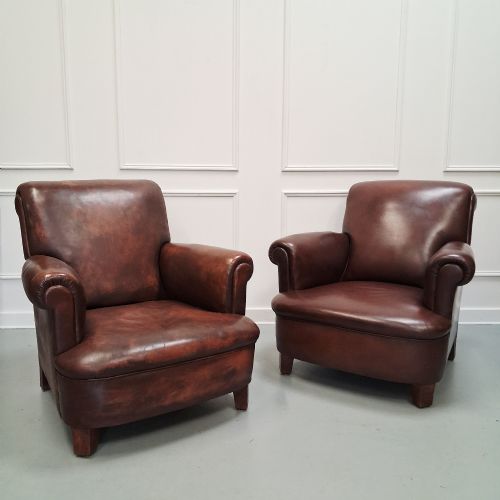
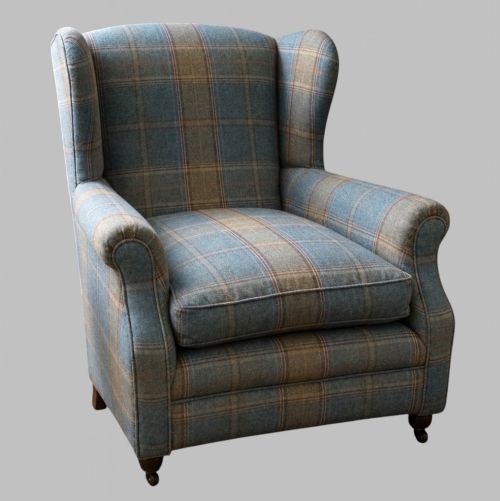
Upholstery incorporates traditional textiles, including velvet, fabric, leather, and patterned wool like Shetland plaid. Brass details and open-arm designs complement the exposed timber structures.
Period Lounge Seating Retail Price Guide 2026
Typical asking prices for period lounge seating among the pieces listed under this phrase on Sellingantiques today, from the lower quarter to the upper quarter. They describe what is for sale here now, not the wider market.
Listings feature mahogany, walnut, rosewood, and gilt-wood frames paired with velvet, leather, and traditional textiles across multiple historical periods.
Markers of Quality
Quality rests upon the crispness of the timber carving and the architectural proportions of the frame. Superior examples demonstrate expert joinery and refined symmetry in styles from Regency to Art Deco.
The choice of primary timber and the retention of original show frames distinguish finer seating. Material selection, such as figured rosewood or gilt-wood, elevates the visual presence of the piece.
J.Mills·George Smith
The Period Lounge Seating Glossary
- Bergère
- An enclosed upholstered armchair with wooden framing, popular in French and English period seating. These chairs often feature exposed wood surrounds and cane or upholstered sides.
- Chaise Longue
- An elongated upholstered chair designed for reclining, combining the function of a chair and a daybed. Regency examples typically feature carved mahogany or rosewood frames.
- Show Frame
- A wooden structural frame left exposed around the upholstered portions of a chair or settee. This technique highlights the carved mahogany, walnut, or rosewood craftsmanship.
- Wingback Armchair
- An armchair with high sides and wings attached to the back, designed to shield the sitter from drafts. These upholstered forms appear in Edwardian and later periods.
- Settee
- A small upholstered sofa or bench designed for two or more people. Period examples often display carved wooden frames and traditional textile coverings.
Period Lounge Seating: Frequently Asked Questions
How do I identify a Regency armchair?
Regency armchairs typically feature classical revival lines, often constructed from dark woods like mahogany or rosewood. They frequently incorporate open arms, sabre legs, or library chair proportions.
Details often reference classical antiquity while maintaining the functional comfort required for reading and relaxing in period interiors.
Where should I place a chaise longue?
A chaise longue suits principal reception rooms, studies, or spacious bedrooms where its elongated form can function as a standalone statement piece. Placing it away from walls allows the wooden frame and upholstery details to be appreciated from all angles.
These pieces were originally designed for daytime resting, making them practical for quiet corners.
How do I care for antique upholstery?
Caring for antique upholstery involves gentle vacuuming with a soft brush attachment to remove dust without damaging fragile textiles like velvet or wool. Keeping pieces away from direct sunlight preserves the original dyes and prevents timber fading.
Professional cleaning is recommended for delicate fabrics to maintain the structural integrity of the internal stuffing and show frame.