

Period Lighting
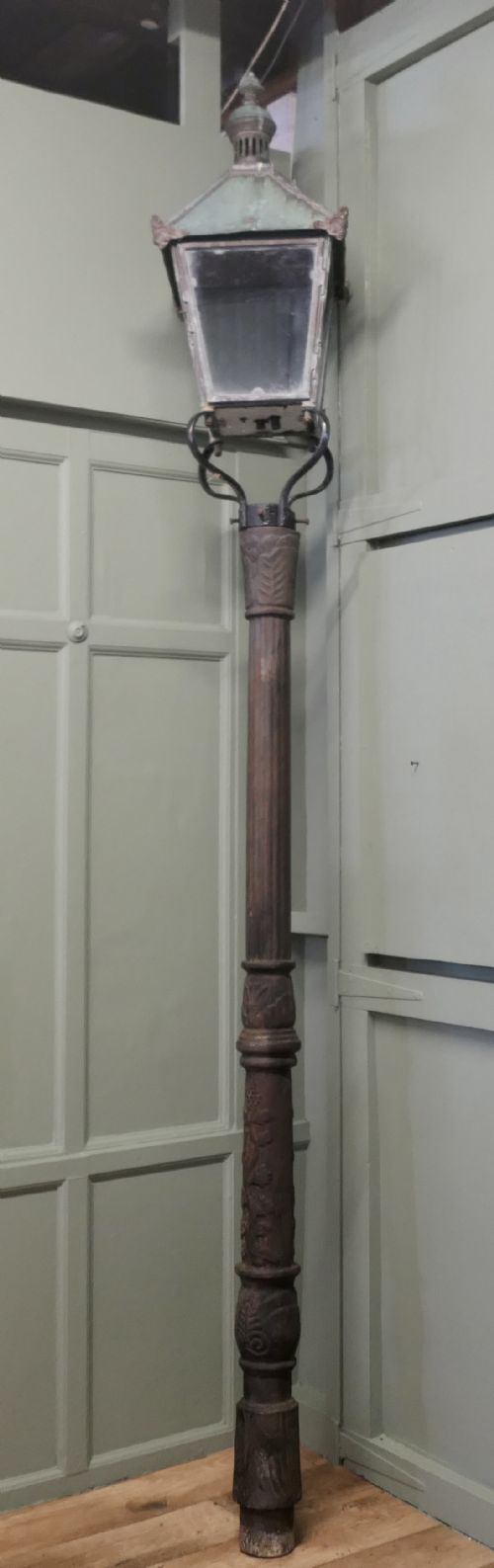
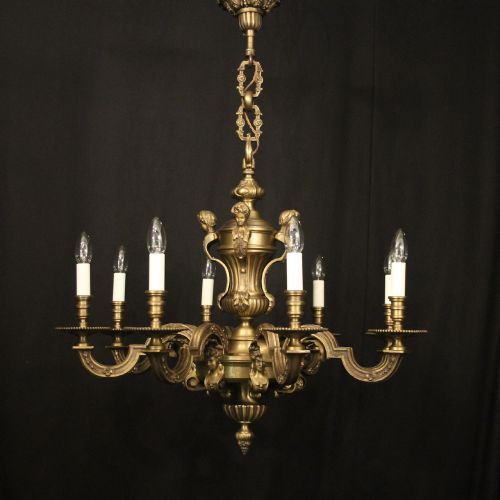
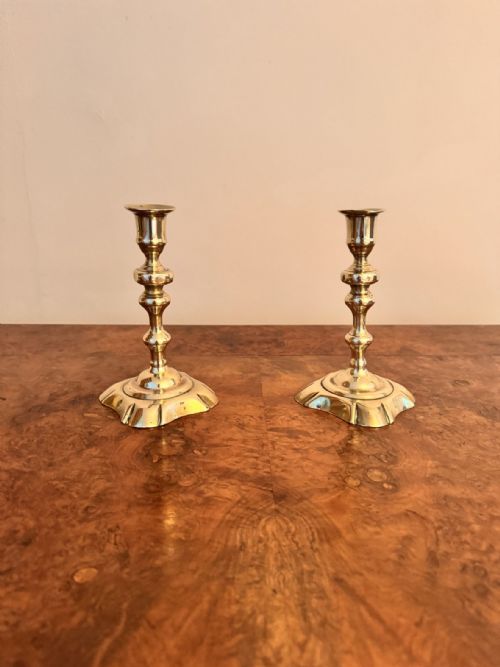
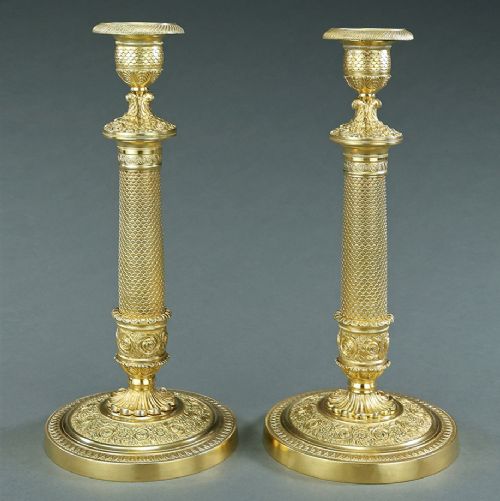
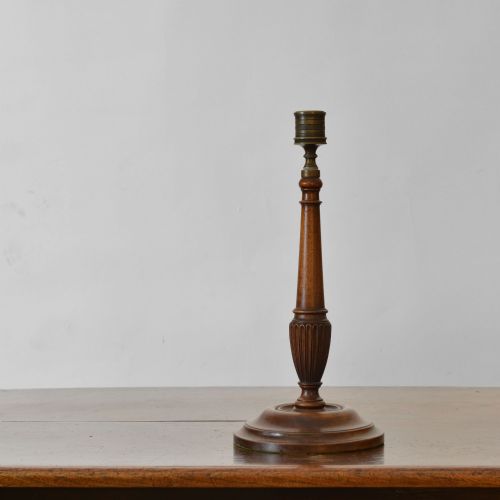
Period lighting encompasses brass candlesticks, bronze chandeliers, and copper lanterns designed to illuminate rooms with historical character.
Period Lighting
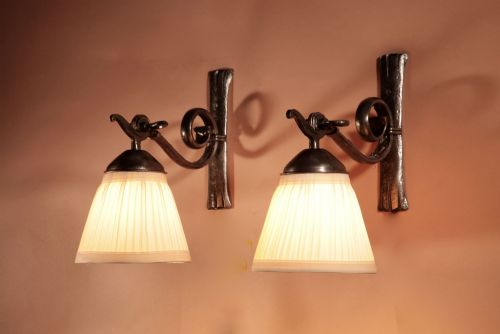
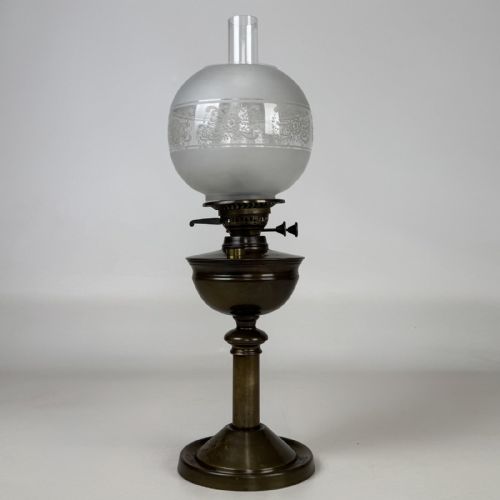
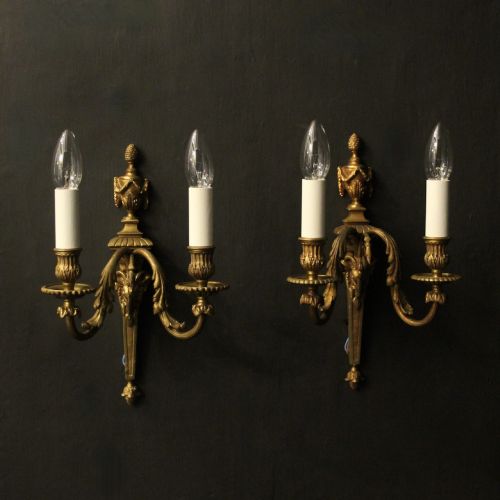
Period lighting covers fixtures designed to illuminate interiors and exteriors across several centuries, ranging from early candlesticks to twentieth-century electric fittings. Buyers seeking period lighting will encounter diverse object types including table lamps, wall lights, ceiling lights, candelabra, chandeliers, floor lamps, and lanterns.
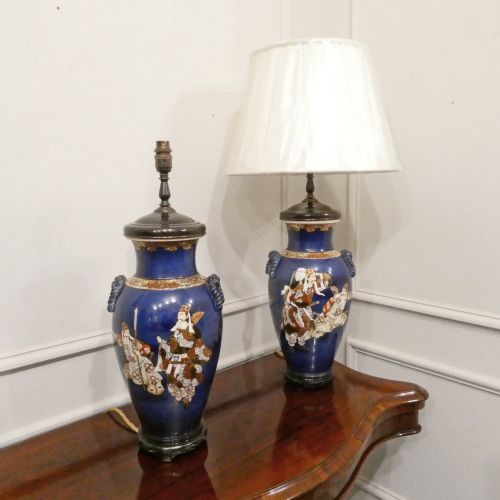
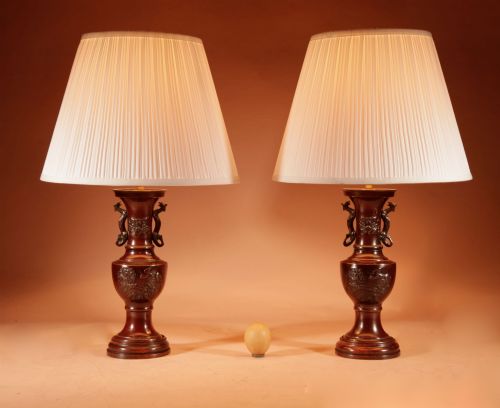
The selections span distinct eras such as the eighteenth, nineteenth, and early twentieth centuries, incorporating Georgian, Victorian, Regency, Edwardian, Art Deco, and French Neoclassical styles. Japanese Meiji period bronzes and Satsuma porcelain conversions also appear frequently among the available lighting forms.
How they were made
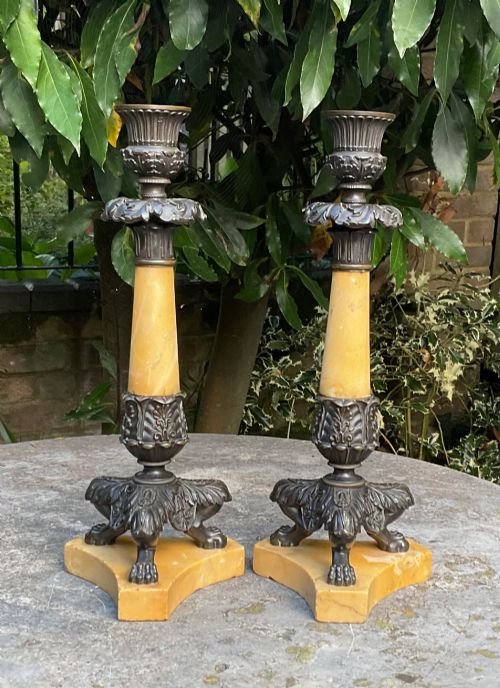
Metalworking dominates the construction of these items, utilising cast and chased brass, bronze, copper, iron, ormolu, and chrome alongside hand-carved wood. Artisans shaped these metals into wall brackets, floor standards, and structural mounts for glass shades.
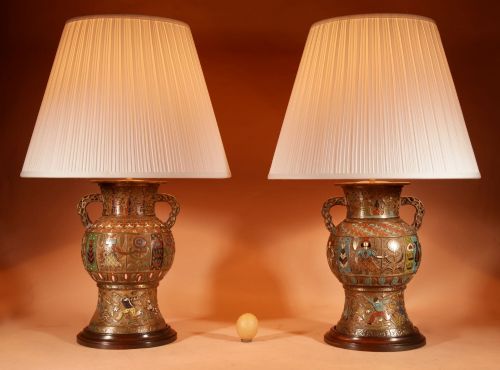
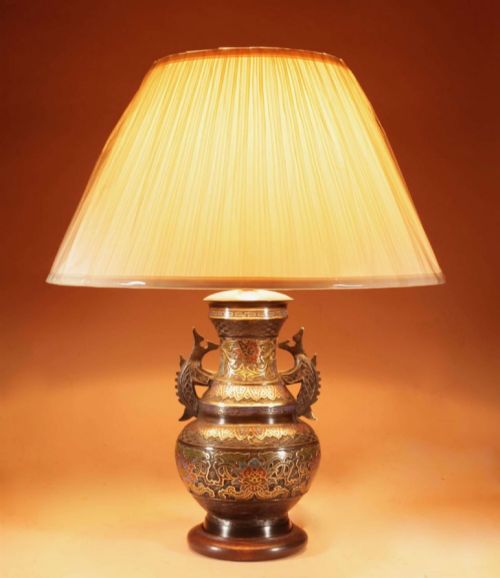
Glass and porcelain feature prominently as diffusers and bodies, seen in cut glass plafonniers, enamel champlevé details, and converted ceramic vases. Fabric shades and marble bases further complement the primary metal and glass components.
Listings incorporate items spanning the seventeenth to the twentieth century, featuring materials from bronze and brass to fabric and marble.
What varies in quality
Quality depends upon the crispness of the casting and the depth of the chased detail on bronze and brass elements. Superior examples display refined surface patination and meticulous assembly rather than flat, machine-smoothed finishes.
The integrity of secondary materials, such as genuine cut glass crystals, hand-applied enamel work, and original marble plinths, distinguishes finer items from simpler utilitarian productions.
The Period Lighting Glossary
- Champlevé
- An enamelling technique where recessed troughs are dug into a metal surface and filled with vitreous enamel before firing. This method creates colourful decorative patterns on bronze and brass lamp bodies.
- Ormolu
- Finely ground high-carat gold applied to a bronze base using a mercury amalgam technique. It provides a bright, durable golden finish on French candelabra and mounts.
- Plafonnier
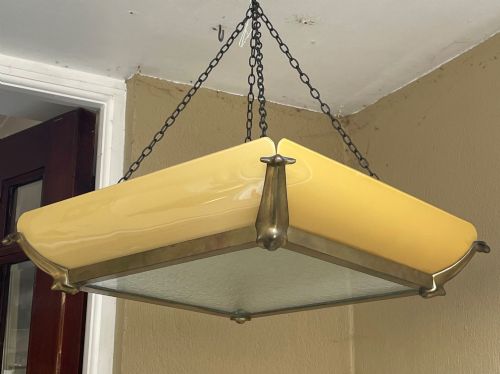
- A ceiling-mounted bowl light that sits flush or close to the surface. These fixtures typically utilise cut or moulded glass to diffuse light across a room.
- Pricket candlestick
- A candleholder that uses an upward-facing metal spike to secure the candle in place rather than a socket. This form often appears in ecclesiastical or seventeenth-century style designs.
- Sheffield plated
- A material made by fusing a thin sheet of silver onto a thicker copper core. It yields dual-metal items typical of the Georgian and Regency periods.
Period Lighting: Frequently Asked Questions
What is period lighting?
Period lighting refers to historic light fixtures, lamps, and candleholders originating from recognised design eras like the Georgian, Victorian, and Art Deco periods.
These items utilise traditional materials such as bronze, brass, copper, and glass to provide functional illumination with distinct historical aesthetic value.
How do I identify a Meiji period lamp?
Meiji period lamps often feature Japanese bronze or Satsuma porcelain work created between eighteen sixty-eight and nineteen twelve. Look for characteristic motifs, rich patination, and intricate champlevé enamelling.
Many of these pieces were later converted from vases or decorative objects into functional table and floor lamps.
Can antique lamps take modern bulbs?
Many antique lamps and lanterns have been safely adapted for modern electrical use while retaining their original exterior housing and structural fittings.
Buyers should inspect the internal wiring of table lamps, wall lights, and chandeliers to ensure compatibility with contemporary electrical standards.
Where should I place a street lantern?
Copper and iron street lanterns, originally mounted on posts during the Victorian and Edwardian eras, suit large exterior entranceways or garden settings.
These robust fixtures provide substantial architectural presence and withstand outdoor conditions when properly installed.